Baby Potty Training Pants
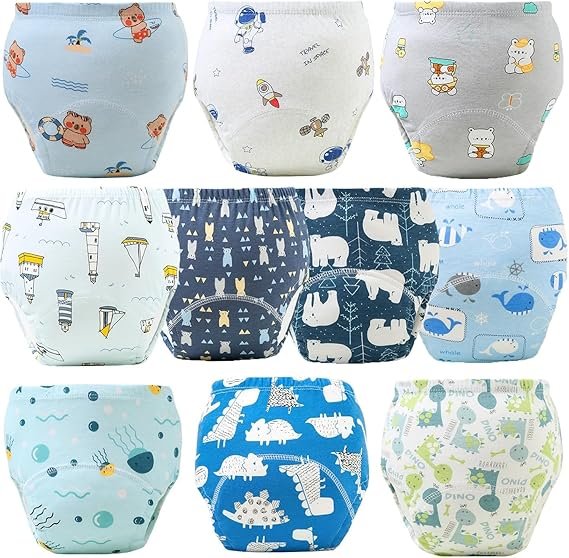
Baby Potty Training Pants: A Comprehensive Guide for Parents
Potty training is an exciting and sometimes challenging milestone for both parents and toddlers. One of the most essential tools in the potty training process is baby potty training pants. These specially designed pants bridge the gap between diapers and regular underwear, providing a sense of independence for your toddler while minimizing the mess of accidents. In this guide, we’ll explore everything you need to know about baby potty training pants, from when to use them to the different types available.
What Are Baby Potty Training Pants?
Baby potty training pants are a hybrid between diapers and underwear, designed to help toddlers transition from using diapers to becoming fully potty trained. Unlike regular diapers, potty training pants are usually made of more flexible, underwear-like material that allows your child to pull them up and down independently. They often come with additional features to minimize leaks and make the transition process smoother.
When Should You Start Using Potty Training Pants?
The ideal time to start using potty training pants depends on your child’s readiness, which usually occurs between 18 to 24 months, though some children may be ready earlier or later. Here are a few signs that your toddler may be ready to begin potty training:
- Staying dry for longer periods (about two hours)
- Showing interest in adult bathroom habits
- Able to follow simple instructions
- Communicating when they need to go (verbally or non-verbally)
- Discomfort with dirty diapers or asking to be changed
Once your child shows these signs of readiness, potty training pants can be an excellent tool to help them make the transition from diapers to underwear.
Benefits of Baby Potty Training Pants
- Promote Independence
Potty training pants allow toddlers to pull them up and down, which encourages them to take an active role in the potty training process. This sense of independence boosts their confidence and helps them feel in control. - Leak Protection
Just like diapers, potty training pants come with absorbent materials that help contain accidents. Many brands feature extra absorbent layers, side barriers, or even a wetness indicator to keep your child dry and comfortable throughout the day. - Convenient for Parents
Potty training pants are easy to pull on and off, making them a practical choice for parents. They are especially useful when you’re out and about, as they offer the convenience of a diaper but the usability of regular underwear. - Transition to Underwear
Potty training pants are a great intermediary step between diapers and regular underwear. They help toddlers understand the process of going potty on their own while still offering the protection needed for accidents during the learning phase. - Minimize Messes
With their leak-proof designs, potty training pants are better equipped to handle accidents than regular underwear. This helps reduce messes and makes the transition smoother for both parents and toddlers.
Types of Baby Potty Training Pants
There are several types of potty training pants, each with its own set of features and benefits. Here’s a breakdown of the most common types:
1. Pull-Up Style Training Pants
These are the most common type of potty training pants. They resemble diapers but are designed to be pulled up and down like regular underwear. Pull-ups are convenient because they allow toddlers to easily practice pulling them off when they need to go to the bathroom.
- Pros: Easy to use, provides leak protection, available in different sizes.
- Cons: May not be as breathable as cloth options, can be more expensive than regular diapers.
2. Reusable Cloth Training Pants
Reusable cloth training pants are made from soft cotton or other breathable materials. These are a more eco-friendly option, as they can be washed and reused multiple times.
- Pros: Reusable, eco-friendly, soft and comfortable for babies.
- Cons: Need to be washed after each use, may not be as absorbent as disposable options.
3. Training Pants with Velcro or Snaps
Some potty training pants come with velcro or snap closures on the sides. These are useful for younger toddlers who may still struggle with pulling pants up and down independently.
- Pros: Easy to take off in case of accidents, good for toddlers still learning motor skills.
- Cons: Less independent than pull-ups, may take more time to put on and remove.
4. Disposable Potty Training Pants
Like disposable diapers, these training pants are meant for single use and are typically made with absorbent materials to prevent leaks. They are more convenient for travel and daycare settings.
- Pros: Convenient for on-the-go, offers excellent absorbency, easy disposal.
- Cons: More expensive over time, less eco-friendly.
How to Choose the Right Potty Training Pants
When choosing potty training pants, consider the following factors to make sure you’re selecting the right one for your child:
- Size: Ensure the pants fit your child comfortably. Check the sizing charts on the product packaging, and choose a size that accommodates your toddler’s weight and waist size.
- Absorbency: Look for training pants with adequate absorbency to prevent leaks and accidents. Some brands offer extra absorbent layers or wetness indicators to help you know when your toddler has had an accident.
- Material: Choose between disposable and reusable options based on your needs. If you prefer an eco-friendly option, go for reusable cloth pants. For convenience, disposable training pants might be more practical.
- Comfort: Look for potty training pants that are soft and comfortable. Avoid options that have too many rough seams or materials that could irritate your child’s skin.
- Ease of Use: Consider how easy it is for your child to pull the pants up and down independently. Some pants come with stretchy sides or velcro to make them easier for little hands to manage.
- Price: Disposable training pants are typically more expensive in the long run, but they offer convenience. Reusable pants have a higher upfront cost but save money over time.
Tips for Potty Training with Training Pants
- Be patient: Potty training is a learning process, and accidents are a part of it. Be patient with your toddler as they adjust to the process.
- Praise successes: Celebrate your child’s successes when they manage to use the potty, as positive reinforcement can motivate them.
- Keep a consistent routine: Establish a regular schedule for bathroom trips to help your child get used to the potty routine.
- Move to regular underwear when ready: Once your child consistently stays dry during the day and has fewer accidents, consider transitioning to regular underwear. Potty training pants are just a stepping stone toward complete potty independence.
Recommended Baby Potty Training Pants
Here are some popular potty training pants that parents recommend:
- Pampers Easy Ups
- Features: Pull-up style, super absorbent, soft and stretchy sides.
- Best For: Parents looking for a reliable, disposable option with a trusted brand name.
- Huggies Pull-Ups
- Features: Wetness indicator, fun designs, available in various sizes.
- Best For: Parents who prefer a disposable option with a focus on comfort and absorption.
- Gerber Training Pants
- Features: Soft cotton material, reusable, eco-friendly.
- Best For: Parents who want a washable, sustainable option.
- Bambo Nature Training Pants
- Features: Eco-friendly, hypoallergenic, soft and breathable.
- Best For: Parents who prioritize eco-friendliness and skin sensitivity.
- The Honest Company Training Pants
- Features: Made with sustainable materials, soft and absorbent.
- Best For: Parents looking for a natural and non-toxic option.
Final Thoughts
Potty training can be a rewarding yet challenging experience, and having the right tools is crucial to make the process easier for both you and your toddler. Baby potty training pants serve as an essential step in the transition from diapers to regular underwear, offering a blend of convenience, comfort, and practicality. By choosing the right type of training pants for your child’s needs, you’ll help them feel more confident and independent as they master this important milestone.