3 in 1 Push Car for Toddlers
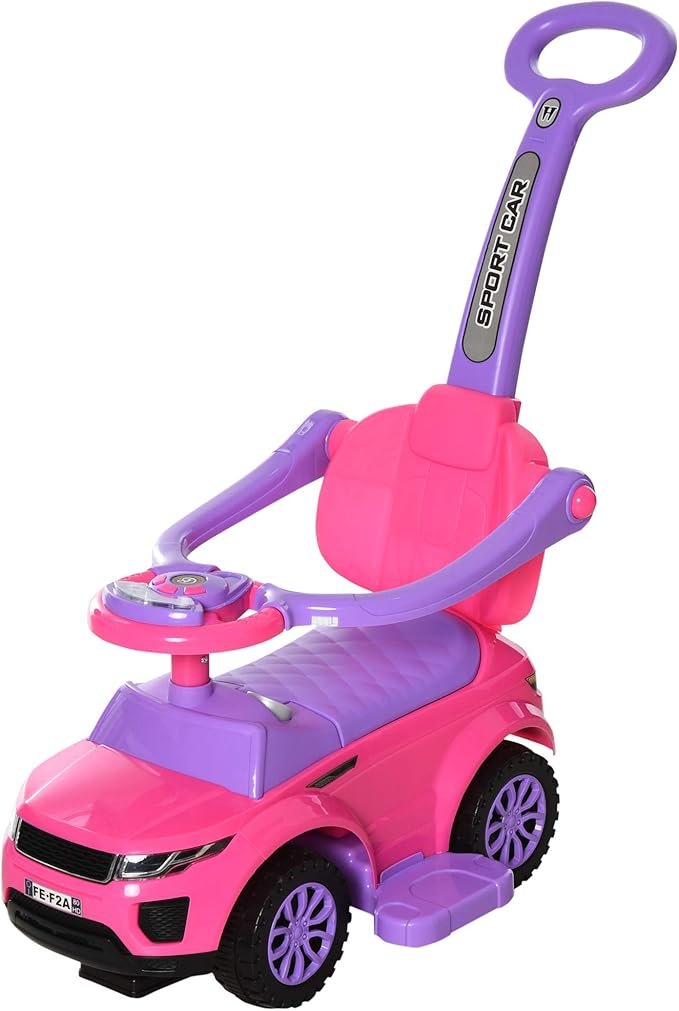
A 3-in-1 push car is one of the most versatile investments for a growing toddler. Designed to evolve with your child’s developing motor skills, these cars transition from a parent-controlled stroller to an independent ride-on toy, typically covering the ages of 12 to 36 months.
Here is a breakdown of how the 3-in-1 system works and the features that make it a playground favorite.
The 3 Stages of Growth
The “3-in-1” designation refers to the three distinct ways your child can interact with the vehicle as they grow:
- Stage 1: Stroller Mode (12–18 Months)
The parent uses the long rear handle to push and steer the car. During this stage, removable guardrails (safety bars) encase the child to prevent them from falling out, and foldable footrests keep their feet safely away from the ground. - Stage 2: Walking Car Mode (18–24 Months)
As the child begins to find their feet, the parent handle can be removed. The child holds onto the high backrest for support, using the car as a sturdy “walker” to build confidence and leg strength. - Stage 3: Independent Ride-On (24–36 Months)
The guardrails and footrests are removed, allowing the child to sit on the seat and use their feet to scoot and steer independently. This encourages gross motor development and spatial awareness.
Key Interactive Features
- The Steering Wheel: Most models include a multifunctional steering wheel. This isn’t just for show; it usually features buttons for a working horn and pre-loaded music or engine sounds to keep the child engaged.
- Under-Seat Storage: A hidden compartment beneath the seat allows toddlers to “pack” their favorite toys, snacks, or water bottles for their journey, which adds an extra layer of imaginative play.
- Sun Canopy: Many premium models (like the licensed Mercedes or Lamborghini versions) include an adjustable or removable sun canopy to protect the child during outdoor walks.
Safety Design Standards
Safety is paramount in 3-in-1 designs. Look for these specific built-in protections:
- Anti-Overturn Brake: A small plastic block located at the rear base of the car. It prevents the car from tipping backward if the child leans too far or tries to climb on the back.
- 360° Safety Guardrails: These padded or hard-plastic bars lock into place to ensure the toddler remains centered in the seat while being pushed.
- Wear-Resistant Wheels: High-quality models use wide, textured wheels that provide traction on various surfaces, from hardwood floors to park pavement.
Quick Buying Checklist
- Weight Capacity: Most push cars support up to 50–55 lbs.
- Battery Requirements: The horn and music usually require 2 AA or AAA batteries (often not included).
- Assembly: Most models are “snap-and-click” but may require a screwdriver for the battery compartment and steering wheel screw. Expect about 20 minutes of setup time.