Blood Glucose Monitor
A Comprehensive Guide to Selecting the Right Blood Glucose Monitor Kit for Home Use
Taking control of your metabolic health has never been more accessible. For many, a blood glucose monitor kit serves as the primary window into how the body processes sugar, reacts to different meals, and responds to physical activity. Having a reliable device at home removes the guesswork and empowers you to make data-driven decisions about your lifestyle.
Understanding the Components of a Quality Kit
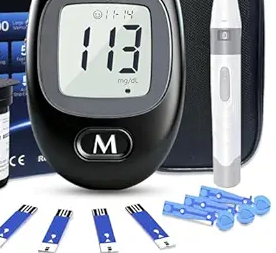
When you purchase a monitor kit, you aren’t just getting a single device. A standard, high-quality setup is a complete ecosystem designed for hygiene and precision. Usually, these kits include:
- The Glucose Meter: The digital brain that reads the electrochemical signal from the blood.
- Test Strips: Consumables that contain specific enzymes to react with your glucose.
- Lancing Device: A spring-loaded tool designed to make the skin puncture quick and consistent.
- Disposable Lancets: The sharp needles that ensure a sterile test every time.
- Logbook or App Access: Tools to record your numbers and identify long-term patterns.
What Sets Modern Monitors Apart?
If you haven’t looked at a blood glucose monitor in a few years, you might be surprised at how much the technology has evolved. Here are the features that define modern, user-friendly kits:
No-Coding Technology
In the past, users had to manually calibrate their meters to match the specific batch of strips they were using. Today, the best kits feature “No-Coding” technology. The meter recognizes the strips automatically, which eliminates a major source of inaccurate readings.
Minimal Sample Requirements
Newer sensors are highly sensitive, requiring only a tiny droplet of blood ($0.4$ to $0.5 \mu L$). This means you don’t have to prick your finger deeply, making the daily testing routine far more comfortable and less intimidating.
Backlit Displays and Audio Features
For those who may have difficulty reading small text, many kits now offer large, high-contrast backlit screens. Some even feature audio prompts that “speak” the results, ensuring that everyone can monitor their health regardless of visual acuity.
Data Management
The transition from paper logs to digital tracking is a game-changer. Many monitors now feature Bluetooth connectivity, allowing your readings to sync instantly with an app on your smartphone. This makes it incredibly easy to spot trends over a 7, 14, or 30-day period.
Pro-Tips for Testing Consistency
To ensure your kit provides the most accurate data possible, keep these best practices in mind:
- Site Rotation: Do not use the same finger every time. Rotating between fingers—and even using the sides of the fingertips—can prevent calluses and sensitivity.
- Environmental Storage: Test strips are highly sensitive to temperature and humidity. Always store them in their original vial and keep them in a cool, dry place.
- Cleanliness: Ensure your hands are free of any sugary residue (like juice or fruit) before testing. A quick wash with plain soap and water is better than using alcohol wipes, which can occasionally interfere with the chemical reaction on the strip.
Conclusion
Choosing a blood glucose monitor kit is a personal decision that depends on your specific needs, whether that is high-tech connectivity or simple, large-button operation. By focusing on kits that offer no-coding technology and require small blood samples, you can ensure that your health monitoring is both accurate and pain-free.
Regular monitoring is one of the most effective ways to stay in tune with your body. With the right tools in hand, you can manage your wellness with confidence and clarity.