Bat House
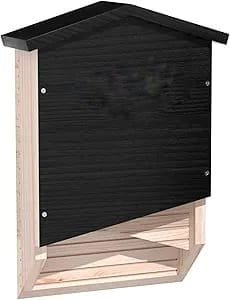
A Double Chamber Bat House is a scientifically designed shelter intended to provide a safe, warm, and secure roosting environment for local bat populations. In 2026, as eco-friendly pest control becomes more popular, installing a bat box has become a favored method for naturally reducing mosquito and beetle populations in gardens and backyards. The “Double Chamber” design is particularly effective because it allows for better temperature regulation and accommodates larger colonies.
Key Benefits of a Double Chamber Design
- Enhanced Capacity: A double chamber model typically accommodates between 50 to 100 bats, providing enough space for a healthy “nursery” colony.
- Temperature Regulation: With two separate internal sections, bats can move between the front and back chambers to find their ideal temperature. This is crucial for the survival of pups during hot afternoons or cold nights.
- Natural Pest Control: A single bat can eat up to 1,200 mosquito-sized insects in an hour. Providing a home for a colony can significantly reduce the need for chemical insecticides on your property.
Essential Design Features
To be successful, a bat house must meet specific criteria that mimic a bat’s natural habitat:
- Rough Interior Surfaces: The internal wood and the landing pad must be roughened or grooved (horizontal scratches) so that bats can easily grip the surface and climb upward.
- Ventilation Slots: Small gaps on the sides or front allow for airflow, preventing the house from overheating during peak summer months.
- Water-Tight Roof: A sloped, shingled, or sealed roof is vital to keep the interior dry. Bats will abandon a leaky house immediately.
- Optimal Spacing: In a double chamber model, the chambers should be roughly 3/4 inch to 1 inch apart—the perfect width for bats to feel secure from predators like owls or hawks.
Tips for Successful Placement
Even the best bat house will remain empty if it is placed incorrectly. For the highest occupancy rate, follow these guidelines:
- Sun Exposure: Bats love heat. Mount the box in a location that receives at least 6 to 8 hours of direct sunlight (usually facing South or Southeast).
- Mounting Height: The house should be at least 12 to 20 feet above the ground to protect bats from ground predators and give them enough space to “drop” into flight.
- Proximity to Water: Bats are more likely to move in if they are within a quarter-mile of a water source (like a pond, stream, or lake).
- Avoid Mounting on Trees: While it seems natural, trees provide easy access for predators and often shade the house too much. Mounting on a pole or the side of a building is much more effective.
Conclusion
Installing a Double Chamber Bat Box is a rewarding way to support local biodiversity while enjoying a mosquito-free yard. By providing a sturdy, well-insulated home, you are helping to preserve a vital part of the ecosystem. While it may take a few months for bats to discover their new home, once they move in, they will return year after year.