Pounder with Handle Steel
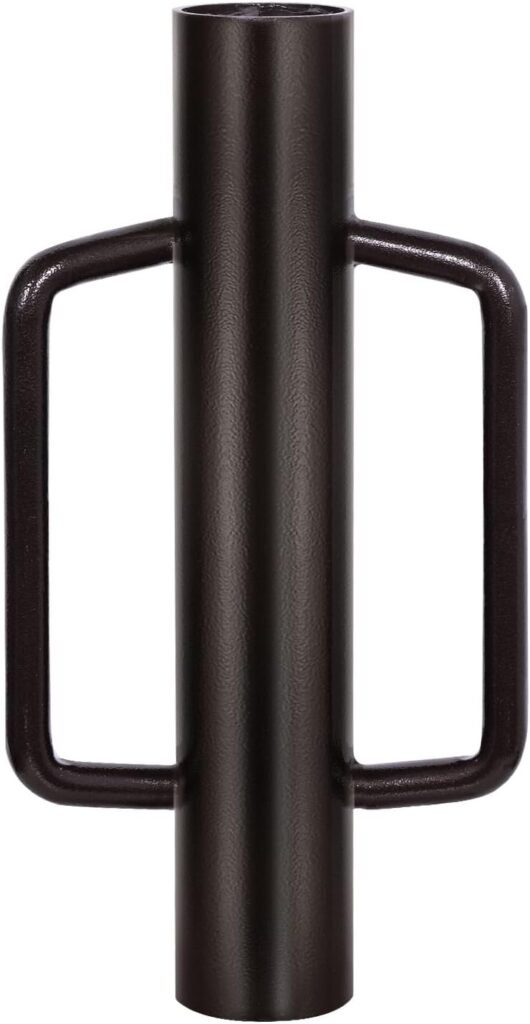
Post Driver: A Practical Tool for Fence Posts, Signposts, and Outdoor Projects
Installing fence posts or signposts can be surprisingly demanding without the right tool. Digging deep holes, keeping posts aligned, and ensuring long-term stability often takes more time and effort than expected. This is where a post driver becomes useful. Designed to drive posts securely into the ground, it simplifies outdoor installation work and helps achieve cleaner, more durable results.
In this guide, I’ll explain what a post driver is, how it works, the different types available, and what to consider before choosing one.
What Is a Post Driver?
A post driver is a manual or powered tool used to push posts directly into the ground without digging a hole. It is commonly used for:
- Fence posts
- Metal T-posts
- Signposts
- Garden stakes
- Temporary barriers
Instead of removing soil, a post driver compresses the ground around the post, which often results in better stability, especially in firm soil.
How a Post Driver Works
The basic concept is simple. The post is placed upright on the ground, and the driver applies downward force to push it into the soil.
- Manual post drivers rely on gravity and body weight
- Powered post drivers use motors or pneumatic force
By driving the post straight down, the surrounding soil remains compact, reducing movement over time.
Types of Post Drivers
Manual Post Driver
This is the most common type and is often shaped like a heavy steel tube with handles on the sides.
Best for:
- Small to medium projects
- Metal posts and stakes
- Home and garden use
Pros
- Affordable
- No power source required
- Durable and simple to use
Cons
- Physically demanding
- Slower for large projects
Electric Post Driver
Electric models use a motor to deliver repeated impacts, reducing physical effort.
Best for:
- Frequent use
- Medium to large fencing jobs
Pros
- Less strain on the body
- Faster installation
Cons
- Higher cost
- Requires electricity or batteries
Gas or Pneumatic Post Driver
These are heavy-duty tools often used by professionals.
Best for:
- Commercial fencing
- Large properties and farms
Pros
- Very powerful
- Efficient for hard or rocky soil
Cons
- Expensive
- Requires maintenance and fuel or air supply
When Should You Use a Post Driver?
A post driver works best when:
- The soil is firm but not solid rock
- You want faster installation without digging
- You need strong post stability
It may not be ideal in extremely rocky ground, where pre-drilling or digging may still be necessary.
Key Things to Consider Before Buying a Post Driver
Post Size Compatibility
Always check the internal diameter of the driver. It should fit your posts snugly without excessive movement.
Weight and Handling
Heavier drivers deliver more force but can be tiring to use. Balance is important, especially for extended work.
Material Quality
Steel construction with reinforced welds generally lasts longer, especially for outdoor use.
Intended Use
For occasional garden fencing, a manual post driver is usually enough. For frequent or large-scale projects, powered options may be worth considering.
Safety Tips for Using a Post Driver
- Wear gloves to improve grip and reduce vibration
- Use safety glasses to protect from debris
- Keep hands clear of the post top
- Take breaks during manual use to avoid fatigue
Using proper technique not only improves results but also reduces the risk of injury.
Conclusion
A post driver is a straightforward yet effective tool that can save time and effort when installing fence posts, signposts, or garden stakes. By choosing the right type for your needs and using it correctly, you can achieve stronger, more stable posts without unnecessary digging. Whether you’re working on a small home project or a larger outdoor setup, understanding how a post driver works helps you make a practical and informed decision.