Certified Earplugs
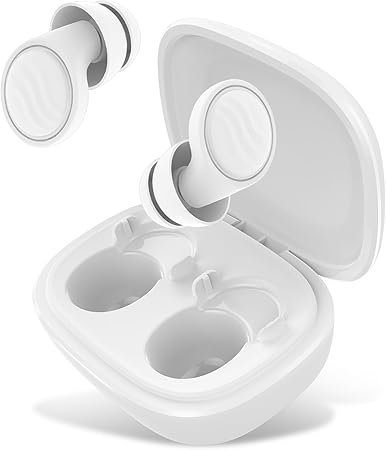
Earplugs: The Complete Guide to Types, Benefits, and How to Choose the Best Pair
Whether you are trying to sleep better, protect your hearing at concerts, focus in a noisy office, or reduce discomfort while traveling, earplugs are a simple yet highly effective solution for sound control. Earplugs help block or reduce unwanted noise, protect your ears from loud environments, and provide comfort in a variety of daily situations.
In this detailed guide, you’ll learn what earplugs are, how they work, the different types available, key features to look for, and practical tips for choosing the right pair for your needs.
What Are Earplugs?
Earplugs are small devices designed to fit in the ear canal or against the outer ear to block or reduce sound. They can be made from foam, silicone, wax, or custom‑molded materials. Earplugs help lower noise exposure, making them useful for sleep, travel, work environments, and hearing protection during loud activities.
Earplugs are often rated by their Noise Reduction Rating (NRR), which indicates how much sound they can block. Higher NRR values mean greater noise reduction.
Why Use Earplugs?
There are many everyday situations where earplugs can make a noticeable difference:
Better Sleep
Light sleepers or those living in noisy environments can benefit from earplugs that reduce background noise, helping you fall asleep faster and stay asleep longer.
Hearing Protection
Exposure to loud sound — such as at concerts, construction sites, or workshops — can damage hearing over time. Earplugs protect your ears by reducing decibel levels.
Concentration and Focus
In open offices, busy cafes, or study sessions, earplugs can help you focus by blocking distracting noise.
Traveling Comfort
Long flights and bus rides can be noisy and stressful. Earplugs help reduce engine noise and background sounds, creating a more peaceful travel experience.
Comfort in Loud Situations
From motorsports to shooting ranges, earplugs provide essential protection against potentially harmful noise levels.
Types of Earplugs
Earplugs are available in several styles, each suited to specific needs:
Foam Earplugs
Foam earplugs are soft and expand to fit your ear canal. They are typically disposable and affordable.
Pros:
- Excellent noise reduction
- Comfortable for many users
- Affordable and widely available
Cons:
- May need frequent replacement
- Can feel tight or uncomfortable for some
Silicone Earplugs
Silicone earplugs can be either soft putty or pre‑formed shapes. They create a seal over the ear canal and are reusable.
Pros:
- Reusable and easy to clean
- Comfortable for many users
- Good for blocking water as well as noise
Cons:
- May not fit all ear shapes perfectly
- Slightly less noise reduction than foam in some cases
Wax Earplugs
Wax earplugs mold to the shape of your ear and can be very comfortable for sleep or travel.
Pros:
- Custom‑like fit
- Comfortable for long wear
- Good for sleeping or low‑to‑moderate noise
Cons:
- Can wear out over time
- Not ideal for very loud environments
Custom Molded Earplugs
Custom earplugs are made specifically for your ear shape, often by a professional audiologist. They provide excellent comfort and fit.
Pros:
- Best comfort and fit
- Long‑lasting
- Effective sound reduction tailored to you
Cons:
- Higher cost
- Requires professional fitting
Key Features to Consider
When choosing the right earplugs, consider the following:
Noise Reduction Rating (NRR)
The NRR indicates how much sound the earplugs block. Higher values (such as 30+ dB) are best for loud environments, while mid‑range values (20–28 dB) are suitable for sleep, study, or travel.
Material and Comfort
Choose materials that feel comfortable for extended wear. Foam is soft but may feel tight, while silicone or wax can offer a gentler, flexible fit.
Reusability
Disposable earplugs are convenient and inexpensive, while reusable options are more durable and eco‑friendly.
Fit and Seal
Good earplugs should create a secure seal in your ear — too loose and they won’t block sound effectively; too tight and they may become uncomfortable.
Water Protection
If you need earplugs for swimming or water activities, look for waterproof options in silicone or wax.
How to Use Earplugs Properly
Using earplugs correctly ensures maximum effectiveness:
- Clean Hands: Wash your hands before handling earplugs.
- Roll and Compress (Foam): For foam earplugs, roll them into a thin cylinder before inserting.
- Insert Gently: Place the earplug into the ear canal and hold until it expands or fits comfortably.
- Check Fit: Adjust so the earplug blocks sound without causing pain.
- Clean Reusable Earplugs: Wash silicone or wax earplugs with mild soap and water after use and let them dry thoroughly.
When to Replace Earplugs
- Foam Earplugs: Replace after each use or when they no longer expand properly.
- Silicone/Wax Earplugs: Replace when they show signs of wear, cracking, or loss of shape.
- Custom Earplugs: Replace based on professional advice or noticeable degradation.
Benefits of Using Earplugs
- Improved sleep quality by reducing noise disturbances
- Reduced risk of hearing damage in loud environments
- Better focus and concentration in noisy spaces
- Comfort during travel and exposure to engine or background noise
- Versatile use across work, study, leisure, and sleep
Safety and Precautions
- Do not push earplugs too deeply into the ear canal.
- Avoid using dirty or damaged earplugs to prevent irritation or infection.
- If you experience pain, stop using and consult a healthcare professional.
- Earplugs are not suitable for medical hearing loss; consult a specialist if you have persistent hearing issues.
Conclusion
Earplugs are a simple, affordable, and effective way to protect your hearing, improve sleep, and reduce unwanted noise in your daily life. With options ranging from soft foam to custom molded designs, there is a solution for every need — whether for sleep, travel, work, or loud environments.
By understanding the different types, key features, and proper usage techniques, you can choose the right earplugs that deliver comfort, protection, and peace of mind. Investing in quality earplugs helps you enjoy quieter, more comfortable living — no matter where life takes you.