Pilates Board
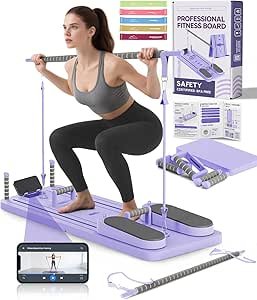
Pilates Board: The Complete Guide to Fitness, Benefits, and Choosing the Best One
A Pilates board is an adaptable fitness tool that brings the benefits of Pilates workouts into your home, gym, or travel routine. Whether you’re a beginner or an experienced athlete, a Pilates board helps improve flexibility, core strength, balance, and posture without needing a bulky machine. With the right board and exercises, you can perform a full‑body workout that supports your fitness goals.
In this detailed guide, you’ll learn what a Pilates board is, how it works, its benefits, different types, key features to consider, and how to choose the best one for your needs.
What Is a Pilates Board?
A Pilates board is a flat, stable platform that attaches to or sits inside a reformer machine or works independently with resistance bands and body weight exercises. Originally designed to mimic the movements and benefits of a Pilates reformer, a Pilates board allows you to perform controlled, low‑impact exercises that target the core, legs, upper body, and stabilizing muscles.
The board can be used with resistance bands or straps that allow you to perform various movements such as leg presses, arm extensions, squats, and core stabilization exercises. This makes it a versatile tool for strength training, flexibility routines, and rehabilitation workouts.
Why Use a Pilates Board?
Pilates boards are increasingly popular because they offer a range of fitness benefits with minimal equipment. Here’s why they are worth considering:
- Full‑Body Workout: Targets core, legs, glutes, arms, and back muscles.
- Low‑Impact Fitness: Gentle on joints, ideal for injury recovery and long‑term mobility.
- Versatility: Works with resistance bands or as part of a reformer setup.
- Space‑Efficient: Easy to store and ideal for home workouts.
- Improved Balance and Coordination: Controlled movements enhance overall stability.
Whether your goal is to build strength, improve flexibility, or enhance posture, a Pilates board can support progress at your pace.
How a Pilates Board Works
A Pilates board allows you to perform movements similar to those done on a reformer machine, such as pushing, pulling, and controlled leg and arm exercises. When used with resistance bands or straps, the board adds tension that activates muscles through full ranges of motion, helping build strength and improve muscle tone.
You can use it for exercises like:
- Leg presses
- Core stabilization drills
- Arm resistance movements
- Glute activation exercises
- Stretching and flexibility routines
This multi‑directional capability makes the Pilates board a flexible tool for both beginners and advanced fitness enthusiasts.
Key Benefits of Pilates Board Workouts
1. Better Core Strength
Pilates emphasizes core engagement, which supports posture, balance, and spinal alignment. A Pilates board makes core conditioning accessible and effective, helping strengthen deep‑seated muscles that traditional workouts may overlook.
2. Enhanced Flexibility and Mobility
Controlled stretches and movements improve muscle length and joint range of motion. Over time, this can reduce stiffness and support daily activities with ease.
3. Improved Posture
Regular Pilates workouts encourage proper alignment and muscle balance, which contribute to improved posture and reduced back discomfort.
4. Support for Rehabilitation
Because Pilates exercises focus on controlled, low‑impact movement, a Pilates board can be useful in injury rehabilitation or recovery phases, under professional guidance.
5. Increased Body Awareness
Pilates encourages mindful movement, helping improve coordination between muscles and enhancing overall body awareness.
Types of Pilates Boards
1. Classic Pilates Boards
These are flat platforms designed for use with resistance bands or straps, suitable for a wide range of exercises and safe for home use.
2. Reformer Pilates Boards
Specifically designed to fit inside Pilates reformer machines, these boards allow you to perform reformer‑style workouts without the full machine setup.
3. Foldable or Portable Boards
Compact and lightweight, these boards are ideal for small spaces or travel workouts. They often come with resistance bands and handles for added versatility.
Key Features to Consider
When choosing a Pilates board, consider the following:
Build Quality and Material
Look for boards made from sturdy materials like reinforced plastic, wood, or high‑density foam to ensure durability and stability during exercises.
Resistance Accessories
Some Pilates boards come with resistance bands, handles, and straps included. These accessories enhance workout variety and make the board more functional.
Size and Portability
If you plan to use the board at home and store it easily, choose a compact or foldable model. Larger boards offer more surface area for movement but require more space.
Stability and Safety
A board with a non‑slip surface and secure base ensures safe workouts, especially during more dynamic exercises.
User Level Compatibility
Choose a board that suits your fitness level. Some boards are designed for beginners, while others support advanced workout routines with higher resistance requirements.
How to Use a Pilates Board
Pilates boards are easy to integrate into your routine:
- Start with Warm‑Up Exercises: Engage muscles with light stretching.
- Choose Movements Based on Goals: Select core, leg, or upper body exercises.
- Focus on Control and Form: Pilates is about precise, controlled movements rather than speed.
- Use Resistance Bands Carefully: Adjust resistance to your ability and progress gradually.
- Cool Down and Stretch: End with flexibility movements to promote recovery.
Consistency and mindful practice help you get the most out of your Pilates board workouts.
Tips for Purchasing a Pilates Board
- Budget: Decide whether you want a basic board or a model with more accessories.
- Included Resistance Bands: Some boards include bands, saving you additional purchase costs.
- Space Available: Compact boards suit apartments or small workout rooms.
- User Reviews: Check verified reviews for real performance insights.
- Warranty and Support: A warranty provides peace of mind and reflects brand confidence in durability.
Conclusion
A Pilates board is a versatile, effective, and space‑efficient fitness tool that supports strength, flexibility, balance, and overall wellness. Whether you are a beginner exploring Pilates for the first time or someone looking to add variety to your workout routine, a Pilates board provides a full range of movement options that mimic reformer exercises without the bulky machine setup.
By understanding the types, key features, and benefits, as well as how to integrate it into your fitness plan, you can confidently choose a Pilates board that helps you reach your goals. With proper selection and consistent use, this simple tool can deliver meaningful improvements in core strength, posture, flexibility, and overall body awareness.