Mini Coffee Scales
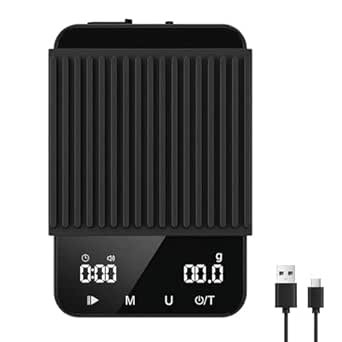
Mini Coffee Scales: The Complete Guide to Precision Brewing
If you’re serious about making great coffee at home, a mini coffee scale is one of the most valuable tools you can add to your setup. Whether you’re brewing pour‑overs, espresso, French press, or cold brew, a good scale helps you measure coffee and water accurately, resulting in consistent flavor and better cups every time.
This comprehensive guide explains what mini coffee scales are, why they matter, key features to consider, how to use them effectively, and how to choose the best one for your brewing needs.
What Is a Mini Coffee Scale?
A mini coffee scale is a compact digital scale designed specifically for measuring coffee and water in precise amounts. Compared to regular kitchen scales, coffee scales offer finer accuracy, faster response, and specialized features like built‑in timers and auto‑tare functions, which are essential for repeatable and reliable brewing.
Most mini coffee scales can weigh in grams (g) and ounces (oz) with precision down to 0.1 g, making them ideal for specialty coffee preparation.
Why Use a Mini Coffee Scale?
Brewing great coffee involves a simple principle: consistent ratios. The ratio between coffee grounds and water affects extraction, balance, flavor, and strength.
Here’s why a mini coffee scale matters:
Precision and Consistency
Measuring ingredients precisely eliminates guesswork. Whether you prefer a 1:15 or 1:17 coffee‑to‑water ratio, scales help you reproduce your favorite recipes every time.
Better Flavor Control
Too much or too little coffee can lead to under‑extraction (sour taste) or over‑extraction (bitter taste). Accurate weighing keeps your coffee balanced and flavorful.
Built‑In Timers for Pour Methods
Many coffee brewers rely on timing as well as weight. Scales with built‑in timers help you synchronize your pour‑over technique, improving consistency and taste.
Efficiency and Waste Reduction
Measuring by weight is more efficient than volumetric scoops, which can vary by grind size and packing. Scales help reduce waste and maximize flavor.
Key Features to Look For
Not all coffee scales are created equal. Consider these important features before you buy:
1. Accuracy and Precision
Look for scales with a minimum precision of 0.1 g. This level of detail ensures accurate measurement for both coffee and water, especially at smaller doses.
2. Size and Portability
Mini coffee scales are designed to be compact, making them ideal for small kitchens, travel, or coffee bars. The footprint should fit under most brewing devices such as pour‑over brewers and drippers.
3. Built‑In Timer
A built‑in timer lets you measure brew time without needing a separate stopwatch, which is especially helpful for pour‑overs and espresso recipes.
4. Auto‑Tare Function
Auto‑tare simplifies the process: place your cup, press tare, and the scale resets to zero — ready to measure your ingredients with no extra math.
5. Weight Capacity
Most mini coffee scales have weight capacities between 2 kg and 3 kg, which is enough for coffee brewing. Make sure the scale supports both your coffee dose and vessel weight.
6. Display and Buttons
A clear, backlit display and responsive buttons make it easier to read measurements in any lighting, especially early morning or late at night.
7. Material and Durability
Look for durable construction with easy‑to‑clean surfaces, resistant to coffee spills and moisture.
How to Use a Mini Coffee Scale
Using a coffee scale is simple, but consistency makes a big difference:
- Place the Scale on a Flat Surface
Ensure the surface is stable to avoid incorrect reads. - Set to Zero
Place your brewing vessel on the scale and press “tare” to reset the weight to zero. - Add Coffee Grounds
Measure your desired coffee dose precisely before grinding or adding to the brewer. - Add Water
As you pour water, monitor the weight to match your coffee‑to‑water ratio. - Use the Timer
If your scale has a built‑in timer, start it when you begin pouring and monitor your brew duration.
This method streamlines your workflow and brings measurable consistency to every cup.
Tips for Better Coffee Brewing
- Weigh beans before grinding to control extraction.
- Record your recipes for repeat testing and adjustment.
- Clean your scale regularly to prevent coffee residue buildup.
- Use a flat, stable surface to maintain accuracy.
- Pair with quality grinder and kettle for best results.
Benefits of a Mini Coffee Scale
Consistent Results Every Time
With precise measurements, you brew coffee that tastes the way you intend — not stronger or weaker by accident.
Faster and Easier Brewing
Built‑in timers and auto‑tare functions make preparation more efficient and streamlined.
Better Understanding of Brewing Ratios
Using a scale trains you to think in terms of ratios rather than volume, which improves overall brewing skills.
Ideal for All Brew Methods
Whether espresso, pour‑over, French press, or cold brew, accurate measurement enhances quality across the board.
Choosing the Best Mini Coffee Scale
When selecting a scale, ask yourself:
- Do I need a built‑in timer?
- Is compact size important for my setup?
- Do I want backlit display for easier reading?
- How much weight capacity do I need?
- Do I prefer a battery‑powered or USB‑rechargeable model?
Reading user reviews and comparing specs helps you find a scale that fits your budget and brewing style.
Conclusion
A mini coffee scale is an essential tool for anyone interested in precision coffee brewing. It makes measuring coffee grounds and water accurate and repeatable, helps control flavor, and improves consistency in every cup.
By understanding features like accuracy, timers, auto‑tare, and capacity, you can confidently choose a model that fits your brewing needs. Whether you’re a casual coffee drinker or a serious home barista, using a mini coffee scale elevates your coffee experience and helps you brew with confidence.