tanning lamp
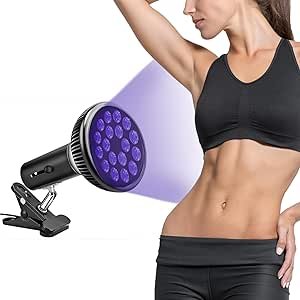
Tanning Lamp: A Complete Guide to Sunless Glow at Home
A tanning lamp provides an effective way to achieve a sun-kissed look without spending hours outdoors under the sun. Whether you want a light glow or a deep tan, tanning lamps offer controlled, convenient, and customizable options for home use. This blog explains what a tanning lamp is, how it works, its benefits, types, safety considerations, and how to choose the right one.
What Is a Tanning Lamp?
A tanning lamp is a device that emits ultraviolet (UV) light designed to darken the skin’s pigment, creating a tan effect similar to natural sun exposure. Tanning lamps are commonly used in tanning beds, booths, and portable units designed for home or salon use. They typically produce a mix of UVA and UVB rays that stimulate melanin production in the skin.
How Does a Tanning Lamp Work?
The human skin darkens when it is exposed to ultraviolet light. Tanning lamps work by emitting specific wavelengths of UV light:
- UVA rays penetrate deeper into the skin and help develop a longer-lasting tan.
- UVB rays stimulate melanin production and contribute to the initial tanning effect.
When the skin absorbs UV light, melanocytes (the cells responsible for pigment) increase melanin production, resulting in a darker skin tone. The intensity and balance of UVA and UVB rays determine the quality and depth of the tan.
Types of Tanning Lamps
1. Indoor Tanning Lamps
These are high-intensity lamps used in tanning beds or booths commonly seen in salons or spas. They provide an even tan over the entire body and are designed for repeated controlled sessions.
2. Portable Tanning Lamps
Compact units designed for home use. These can be handheld or tabletop models that allow targeted tanning on specific body parts.
3. Facial Tanning Lamps
Smaller lamps focused on the face and neck to enhance or maintain a facial tan without exposing the whole body.
Benefits of Using a Tanning Lamp
Controlled Tanning
Tanning lamps allow you to control exposure time and intensity to achieve your desired shade without overexposure.
Convenience
With a home tanning lamp, you can tan whenever it suits your schedule without needing to visit a salon.
Customizable Results
You can adjust the duration and frequency of sessions based on your skin type, goals, and tanning experience.
Even Coverage
Unlike sunscreen bronzers or sprays, tanning lamps can provide even pigmentation across larger areas.
Safety Considerations
While tanning lamps offer convenience and results, safety is crucial:
- Eye Protection: Always wear proper tanning goggles to protect eyes from UV damage.
- Skin Sensitivity: People with fair skin or skin conditions should consult a professional before use.
- Exposure Time: Follow recommended session durations to prevent burns or overexposure.
- Hydration and Moisturizing: Keep skin hydrated before and after tanning sessions for best results.
How to Use a Tanning Lamp
- Prepare Your Skin:
Exfoliate and moisturize the skin before tanning for even results. - Protect Sensitive Areas:
Use goggles and cover any moles or areas prone to burning. - Follow Recommended Time:
Start with shorter sessions and gradually increase based on skin response. - Move the Lamp Evenly:
If using a handheld model, move it in smooth, overlapping strokes. - Aftercare:
Moisturize after tanning and avoid hot showers immediately after sessions.
Tips for Best Results
- Begin with shorter exposure and monitor skin reaction.
- Apply moisturizer daily to extend the life of your tan.
- Do not tan the same area repeatedly in one session; rotate body positions.
- Avoid tanning immediately after shaving or waxing.
Potential Risks of Tanning Lamps
Tanning lamps emit ultraviolet rays, and excessive UV exposure can carry risks:
- Skin irritation or sunburn
- Premature aging
- Increased risk of skin damage in sensitive individuals
To minimize risk, adhere strictly to usage guidelines, use protection, and consult a dermatologist if you have concerns.
Who Should Use a Tanning Lamp?
Tanning lamps are suitable for:
- Individuals seeking a controlled tan without sun exposure
- People living in areas with limited sunlight
- Users who prefer convenience and privacy
- Those familiar with safe UV exposure practices
Not everyone should use tanning lamps, especially individuals with skin disorders, extreme sensitivity to UV, or a history of skin cancer.
Choosing the Right Tanning Lamp
When selecting a tanning lamp, consider:
- Wattage and UV output – Higher wattage can deliver faster tanning but requires careful time control.
- Size and portability – Choose a model that suits your space and usage needs.
- Safety features – Automatic timers and protective shields enhance safety.
- Ease of use – Select units with intuitive controls and comfortable handling.
Conclusion
A tanning lamp offers a convenient and controlled way to achieve a sunless tan at home. With proper use, you can customize your tanning experience to fit your goals while maintaining safety and skin health. By choosing the right model and following recommended practices, tanning lamps can deliver consistent, even results in the comfort of your own space.