Drone with Camera 4K,
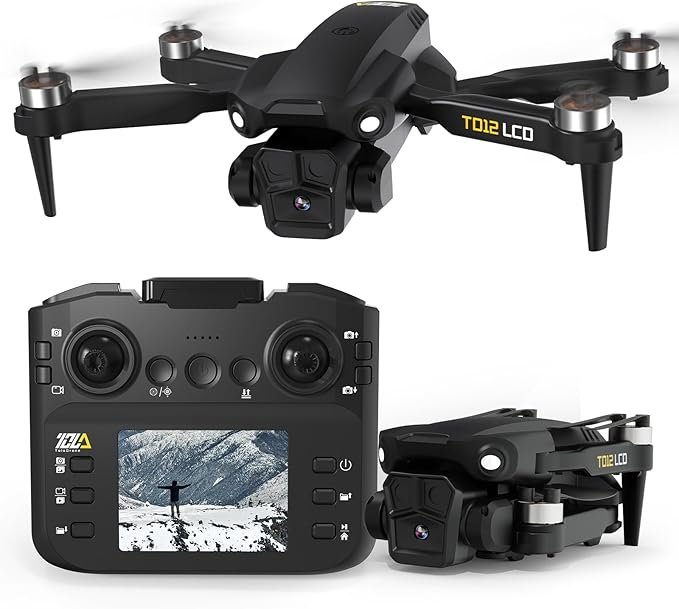
In 2026, the landscape for 4K camera drones has reached a new peak, offering cinematic stabilization and AI-driven safety features that were once reserved for professional film crews. Whether you are looking for a pocket-sized selfie companion or a high-end photography workhorse, this year’s models prioritize ease of use and high dynamic range (HDR).
Here is the 2026 guide to the best 4K camera drones across every category.
Top 4K Drone Recommendations for 2026
| Model | Best For | Key Specs | Price (Est. PKR) |
|---|---|---|---|
| DJI Mini 5 Pro | Most Users / Travel | 4K/60fps HDR, 1-inch Sensor, 36-min Flight | Rs. 380,000+ |
| DJI Neo 2 | Vlogging / Selfies | 4K/60fps, Palm Takeoff, AI Tracking | Rs. 130,000+ |
| Potensic Atom 2 | Best Value Alternative | 4K/30fps, 3-axis Gimbal, 32-min Flight | Rs. 90,000+ |
| DJI Air 3S | Serious Content Creators | Dual Cameras, 4K/120fps, Night LiDAR | Rs. 560,000+ |
| Mavic 4 Pro | Professional Grade | 6K/60fps (Main), Triple Camera System | Rs. 1,200,000+ |
Essential Features to Look For
When shopping for a 4K drone in 2026, ensure your choice includes these modern standards:
- Sub-250g Weight: Drones like the DJI Mini 5 Pro or Potensic Atom 2 weigh less than 249g. This is critical because, in many countries, drones in this category do not require formal registration or a pilot’s license for recreational use.
- Omnidirectional Obstacle Sensing: High-end models now use LiDAR and vision sensors to detect obstacles in every direction. This makes the drone nearly “crash-proof,” even when flying in complex environments like forests or through doorway frames.
- True Vertical Shooting: For social media creators, look for drones with a rotating gimbal. This allows the camera to flip 90 degrees to shoot native vertical 4K video for TikTok and Instagram without losing resolution by cropping.
- O4 Transmission: This latest transmission protocol provides a stable 1080p/60fps live feed to your controller from up to 20km away, significantly reducing the “glitching” or lag seen in older 4K models.
Choosing the Right Class of Drone
- Mini Drones (The Everyday Choice): The DJI Mini 5 Pro is currently considered the “Goldilocks” of drones. It fits in a jacket pocket but delivers image quality that rivals much larger professional units thanks to its massive 1-inch sensor.
- Selfie/Follow-Me Drones: If you don’t want to use a controller, the DJI Neo 2 or HoverAir X1 PRO are designed to take off from your palm, follow you automatically using AI, and land back on your hand once the shot is done.
- FPV (First Person View): For those seeking an immersive, “cockpit-style” experience, the DJI Avata 2 offers 4K stabilized video paired with goggles, allowing you to fly at high speeds with incredible precision.
Pro-Tip: The “MicroSD” Requirement
To actually record 4K footage, you cannot use a standard SD card. You must use a U3 (UHS Speed Class 3) or V30 (Video Speed Class 30) MicroSD card. Lower-rated cards will fail to write the data fast enough, resulting in “choppy” video or lost files.