Red Light Therapy
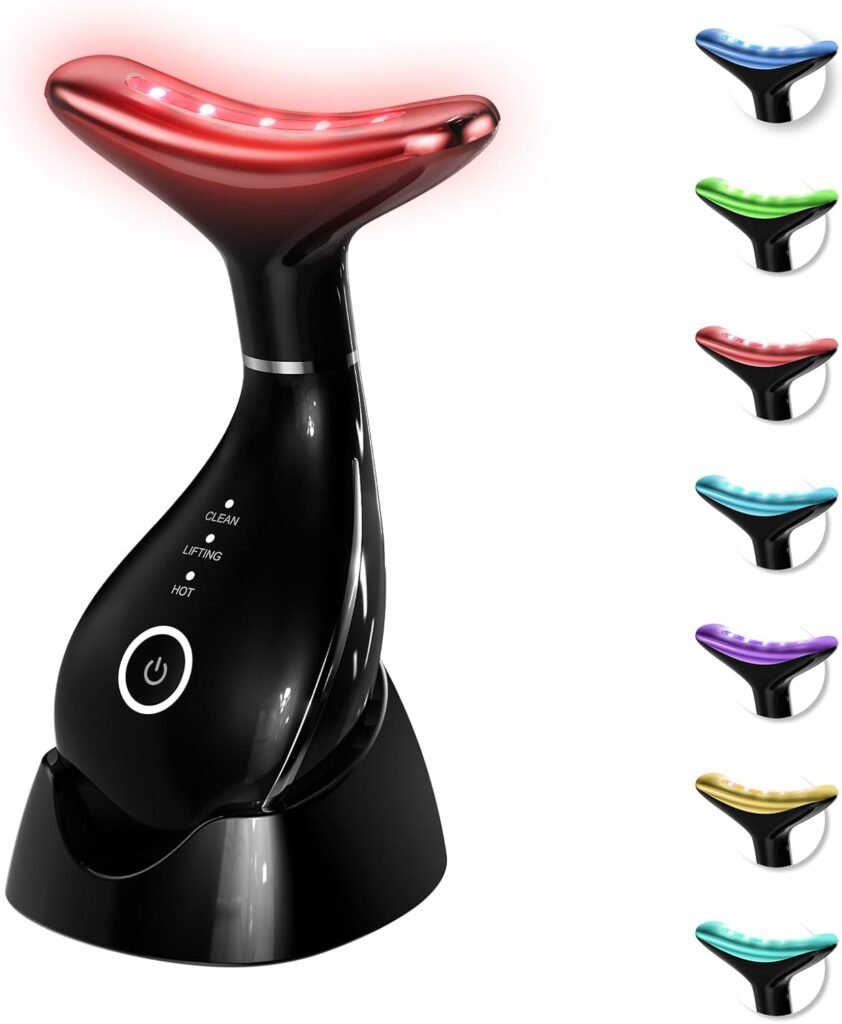
Red Light Therapy Device: Natural Healing with Light Energy
A red light therapy device is a non‑invasive wellness tool that uses specific wavelengths of red and near‑infrared light to support natural healing, reduce inflammation, and improve skin health. Often used for pain relief, muscle recovery, anti‑aging, and overall wellness, these devices have gained popularity in clinics, physical therapy centers, and home use.
This guide explains how red light therapy works, key benefits, common uses, what to look for when choosing a device, and how to use it safely and effectively.
What Is a Red Light Therapy Device?
A red light therapy device emits specific wavelengths of light — usually in the red (620–700 nm) and near‑infrared (700–850 nm) spectrum — that penetrate the skin and reach deeper tissues. Unlike ultraviolet (UV) light, which can damage cells, red and near‑infrared wavelengths are considered safe and therapeutic.
When this light is absorbed by cells, it can stimulate biological processes that support repair, circulation, and cellular energy production.
How Red Light Therapy Works
Red light therapy works through a process known as photobiomodulation:
- Light Penetration: Red and near‑infrared wavelengths pass through the skin without causing heat or damage.
- Cellular Absorption: Light is absorbed by mitochondria — the energy factories in cells.
- Boosted Energy Production: Absorption increases production of ATP (adenosine triphosphate), the energy source cells use for repair and function.
- Cellular Response: Increased energy supports tissue repair, reduces inflammation, and improves circulation.
Over time, this process can lead to improved healing, reduced discomfort, and healthier skin.
Benefits of Red Light Therapy
Enhanced Skin Health
Red light stimulates collagen and elastin production, which may help reduce fine lines, wrinkles, and signs of aging while improving overall tone and texture.
Reduced Inflammation
By improving circulation and cellular energy, red light can help reduce inflammation in muscles, joints, and tissues.
Pain Relief and Muscle Recovery
Athletes and active individuals use red light therapy to support recovery after workouts and ease muscle soreness.
Improved Circulation
The therapy can promote better blood flow, which supports oxygen and nutrient delivery throughout the body.
Wound Healing Support
Red light has been studied for its potential to accelerate healing of minor wounds, cuts, and tissue repair.
Hair Health Support
In some cases, red light therapy can be used to support hair follicle health and improve scalp circulation.
Common Uses of Red Light Therapy Devices
Red light therapy devices have a wide range of applications, including:
- Anti‑aging skin care and wrinkle reduction
- Muscle recovery after exercise
- Joint discomfort and mild arthritis support
- Post‑injury tissue healing
- Reducing inflammation and swelling
- Improving circulation
- Supporting relaxation and wellness routines
These devices are used in homes, sports clinics, dermatology centers, and wellness clinics.
Types of Red Light Therapy Devices
Handheld Panels
Portable and flexible, ideal for targeted treatment on specific areas like face, shoulders, or knees.
Full‑Body Panels
Larger devices designed to treat multiple areas at once, useful for comprehensive therapy sessions.
Light Masks or Face Panels
Specialized devices shaped for facial use to support skin health, glow, and collagen production.
Combination Red + Near‑Infrared Panels
Emit both wavelengths for deeper tissue penetration and enhanced therapeutic benefits.
What to Look for When Choosing a Device
When selecting a red light therapy device, consider the following:
Wavelengths and Power
Look for devices that emit light in the 630–660 nm (red) and 800–850 nm (near‑infrared) range with adequate power output for effectiveness.
Treatment Coverage
Smaller devices are good for targeted areas, while larger panels cover more surface area for full‑body therapy.
Build Quality and Safety
Choose devices with secure construction, reliable LED chips, and safety certifications suitable for home use.
Ease of Use
User‑friendly controls, adjustable stands, or stands with timers make therapy sessions more convenient.
Trusted Manufacturer and Reviews
Opt for reputable brands or models with positive user feedback.
How to Use a Red Light Therapy Device
Here’s a basic guide to using a red light therapy device safely:
- Clean the Area: Ensure the skin is clean and dry before treatment.
- Position the Device: Place the panel or device a few inches from the target area.
- Set Time and Intensity: Most sessions last 5–20 minutes depending on the intensity and area.
- Relax During Treatment: Red light is gentle and painless — no heat or discomfort.
- Consistent Use: Regular sessions (daily or several times a week) often yield better results over time.
Always follow the manufacturer’s instructions for distance, duration, and safety precautions.
Tips for Optimal Results
- Avoid Direct Eye Exposure: Do not look directly into LEDs; use protective eyewear if recommended.
- Stay Consistent: Benefits accumulate over repeated sessions rather than single use.
- Hydrate and Rest: Supporting your body with water and rest enhances overall effectiveness.
- Consult a Professional: If you have a medical condition, check with a healthcare provider before starting therapy.
Safety Considerations
Red light therapy is generally considered safe, with minimal side effects. However:
- Avoid use over open wounds or irritated skin unless advised by a professional.
- Stop treatment if you experience unusual discomfort.
- Not recommended for individuals with certain light sensitivities or specific medical conditions without medical supervision.
Final Thoughts
A red light therapy device offers a promising, non‑invasive way to support skin health, reduce inflammation, aid muscle recovery, and enhance overall wellness. With the right device and consistent use, red light therapy can become a simple, effective addition to your health and self‑care routine.
Disclosure: As an Amazon Associate, this website may earn a commission from qualifying purchases at no additional cost to you.