Doctor kit for kids
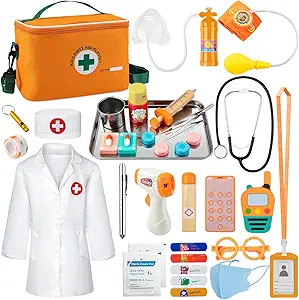
Doctor Kit for Kids: Fun, Learning & Imagination in One Box
A doctor kit for kids isn’t just a toy — it’s a powerful tool that encourages imaginative play, develops early learning skills, and introduces children to the idea of caregiving and empathy. From pretend check-ups to role-playing emergencies, kids can dive into a world of creativity while building confidence, communication, and fine motor skills.
What Is a Doctor Kit for Kids?
A doctor kit for kids is a play set that includes miniature medical tools like a stethoscope, thermometer, syringe, otoscope, bandages, and more. Designed specifically for children, these kits are made with safe, lightweight materials and bright colors to make learning fun and engaging. Kids can mimic real-life doctors and nurses while exploring how the human body works.
Why Kids Love Playing With a Doctor Kit
Kids are naturally curious about the world — and what could be more fascinating than pretending to heal, diagnose, and care for their favorite toys, family members, or even themselves? Here’s why doctor kits are a hit:
- Encourages imagination and creativity
- Introduces basic anatomy and health concepts
- Builds communication and social skills
- Reduces fear of real medical visits
- Supports role-playing and teamwork
Educational Benefits of a Doctor Kit
| Skill | What Kids Learn |
|---|---|
| Empathy & Care | Treating dolls or friends kindly |
| Communication | Asking questions and explaining actions |
| Problem Solving | “Diagnosing” pretend illnesses |
| Fine Motor Skills | Handling small tools with precision |
| Confidence | Leading a pretend check-up independently |
What’s Inside a Typical Doctor Kit for Kids?
Most doctor kits include fun pretend instruments that mimic real medical tools. A well-rounded kit often contains:
- Toy stethoscope
- Play syringe
- Plastic thermometer
- Reflex hammer
- Otoscope for pretend ear checks
- Bandages and pretend medicines
- ID badge and carrying case
These tools help kids explore different aspects of medical care in a safe, playful environment.
How to Make Playtime More Educational
Turning play into learning is easy with a little creativity:
1. Set Up a Play Clinic
Create a pretend waiting room and exam room. Give favorite stuffed animals “appointments.”
2. Teach Body Basics
Use the tools to talk about the heart, ears, and temperature.
3. Practice Doctor-Patient Dialogue
Let the child ask questions and explain what’s happening.
4. Role-Swap for Fun
Parents and kids can switch roles — sometimes the parent becomes the patient!
5. Read Health Books Together
Pair the kit with simple kids’ books about the body and doctors.
Safety & Age-Appropriate Considerations
- Make sure the kit matches the child’s age range — usually 3 years and up.
- Avoid kits with small parts that could be choking hazards for younger kids.
- Supervise play when necessary, especially for younger children.
Choosing a Great Doctor Kit
When selecting a kit, consider these points:
| Feature | Why It Matters |
|---|---|
| Durable Materials | Lasts through many play sessions |
| Realistic Tools | Helps kids learn with confidence |
| Easy to Clean | Hygiene matters during play |
| Storage Case | Keeps pieces organized and easy to carry |
A good kit will be both fun and long-lasting, encouraging repeated play and learning.
Growing With Play
As kids get older, a doctor kit can evolve from simple pretend play into deeper conversations about health, anatomy, and empathy. It can also inspire interest in real-world science and medical professions — planting the seeds for future dreams.
Amazon Affiliate Disclosure
This post contains affiliate links. As an Amazon Associate, I earn from qualifying purchases at no extra cost to you.