Pilates Kit
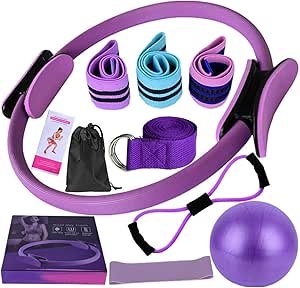
Pilates Kit: Everything You Need for a Full-Body Workout at Home
A Pilates kit is your ultimate toolset for achieving strength, flexibility, and balance through a series of low-impact, controlled exercises. Whether you’re a beginner or an advanced practitioner, a Pilates kit offers all the essential equipment needed to create a dynamic and effective workout routine. These kits are often compact, making them perfect for home use, and they target everything from your core muscles to your overall posture.
In this guide, we’ll explore the key components of a Pilates kit, how to use them, and the benefits you can expect from incorporating them into your fitness routine.
What Does a Pilates Kit Typically Include?
A standard Pilates kit includes various accessories designed to enhance your workouts by offering resistance, support, and stability. Here are the most common components:
1. Resistance Bands
Resistance bands are one of the most versatile tools in a Pilates kit. They come in various levels of resistance, allowing you to customize the intensity of your exercises. These bands are perfect for adding extra tension to your Pilates moves, especially for toning muscles in the legs, arms, and core.
Best For: Strength training, stretching, and toning.
2. Pilates Ring (Magic Circle)
The Pilates ring is a small, circular resistance tool used to add tension during exercises. It’s especially effective for toning the inner and outer thighs, arms, and improving flexibility.
Best For: Enhancing muscle activation, targeting the core and lower body.
3. Pilates Ball
A small, inflatable ball that you can use for exercises like core work, stretches, and stabilizing movements. The Pilates ball provides an unstable surface, forcing your core to engage more for balance and control.
Best For: Improving core strength, flexibility, and balance.
4. Foam Roller
A foam roller is a key tool in many Pilates kits, useful for both recovery and flexibility exercises. It helps release muscle tension and can be used for deep tissue massage.
Best For: Self-myofascial release (massage), improving flexibility, and recovery.
5. Pilates Mat
A high-quality, non-slip mat is essential for a comfortable Pilates session. It provides cushioning for your spine and joints, ensuring you can practice safely and with good form.
Best For: Comfort, safety, and stability during floor exercises.
6. Stretching Straps
Stretching straps assist with deeper stretches and help increase flexibility. They’re especially useful for improving the range of motion in areas like hamstrings, calves, and shoulders.
Best For: Stretching and flexibility work.
Why Should You Use a Pilates Kit?
Pilates is known for its low-impact exercises that focus on improving strength, flexibility, posture, and overall body awareness. Using a Pilates kit can elevate your practice in several ways:
| Benefit | How Pilates Helps |
|---|---|
| Core Strength | Pilates focuses on building strength in the deep abdominal muscles for a strong core. |
| Increased Flexibility | The gentle stretching movements improve the elasticity of muscles and joints. |
| Posture | Pilates enhances alignment and posture, promoting spinal health and overall body awareness. |
| Mind-Body Connection | Pilates encourages controlled, mindful movements that enhance mental clarity. |
| Low Impact, High Results | Ideal for those with joint pain or beginners, providing effective workouts without strain. |
Pilates focuses on controlled movements that engage the core, making it highly effective for toning and strengthening your body without high-impact exercises.
How to Use Your Pilates Kit: Sample Routine
Here’s a beginner‑friendly Pilates routine using your kit:
1. Core Activation (3 minutes)
- Plank with Resistance Band: Wrap the band around your forearms and hold a plank position for 30 seconds, keeping the core tight.
- Bridge with Pilates Ring: Place the ring between your knees and squeeze while lifting into a bridge position, hold for 10 seconds. Repeat for 10 reps.
2. Full‑Body Toning (5 minutes)
- Squats with Resistance Band: Stand with feet shoulder-width apart, place the band around your thighs, and squat low for 10 reps.
- Leg Circles with Pilates Ball: Lie on your back, place the ball under your legs, and perform small circles in both directions for 30 seconds each.
3. Flexibility & Recovery (5 minutes)
- Hamstring Stretch with Stretching Strap: Lie on your back, extend one leg, and hold the strap to deepen the stretch. Hold for 30 seconds per leg.
- Foam Rolling: Spend 2 minutes rolling out any tight muscles (focus on calves, thighs, and back).
Where to Place Your Pilates Kit
Your Pilates kit should be easily accessible and stored in a way that allows for quick setup. Here are some ideas for keeping it organized:
- Under Your Bed: Store your mat, bands, and smaller accessories in a storage bag under the bed.
- Closet Organizer: Use a hanging organizer for resistance bands, rings, and stretching straps.
- Corner of the Room: Keep the foam roller and ball in a corner or by your workout area for quick access.
Having everything ready to go encourages consistency in your Pilates practice.
Tips for Success with Your Pilates Kit
- Consistency is Key: Aim for 3–4 sessions per week to start seeing improvements.
- Control Your Movements: Focus on slow, controlled motions to engage the right muscles.
- Breathwork: Always breathe deeply with every movement to help oxygenate your muscles and maintain good form.
- Start with a Warm-Up: Perform gentle stretches before diving into more intense movements to prevent injury.
- Progress Gradually: Increase resistance or duration slowly as your strength and flexibility improve.
Final Thoughts: Why Invest in a Pilates Kit?
Investing in a Pilates kit is one of the best decisions you can make if you’re serious about improving your fitness. It’s affordable, versatile, and allows you to achieve studio-quality Pilates workouts at home, at your own pace.
Whether your goal is to build core strength, enhance flexibility, or improve posture, a Pilates kit provides all the tools needed for a complete, balanced fitness routine.
So, roll out your mat, grab your resistance bands, and enjoy the many benefits of Pilates!
Amazon Affiliate Disclosure
This post contains affiliate links. As an Amazon Associate, I earn from qualifying purchases at no extra cost to you.