Screen protector
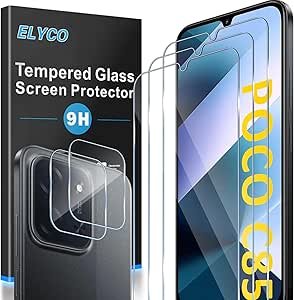
Here’s a lengthy affiliate blog about screen protectors, highlighting their importance, types, benefits, and the best options available:
Why Every Device Needs a Screen Protector: Protect Your Screen and Enhance Durability
In today’s world, we rely on our devices more than ever. Whether it’s a smartphone, tablet, laptop, or even a smartwatch, our screens are constantly exposed to potential hazards like scratches, cracks, and smudges. A single mishap can be costly—repairing a screen or replacing a device can be an expensive and inconvenient process.
This is where screen protectors come in. These thin, transparent films or tempered glass layers serve as a protective barrier between your screen and the daily wear and tear it experiences. Screen protectors not only safeguard your device from damage but also enhance your user experience, ensuring clarity, touch sensitivity, and resistance to smudges.
In this blog, we’ll dive into the different types of screen protectors, why they’re essential, and the best options available to help you keep your devices in pristine condition for longer.
Why You Need a Screen Protector
1. Prevents Scratches and Scuffs
One of the primary reasons for using a screen protector is to prevent scratches and scuffs. No matter how careful we are, daily use often exposes our screens to dust, keys, coins, and other objects that can easily scratch the surface of the display. Over time, these scratches can reduce the screen’s visibility and even affect its functionality.
Screen protectors, whether made from tempered glass or plastic film, act as a shield that absorbs the impact of scratches, keeping your device looking brand new. This is especially important for touchscreens, where even the slightest scratch can be visible and disruptive to your experience.
2. Shields Against Cracks and Shattering
While scratches can be annoying, cracks and shattering can be much more detrimental. Accidental drops are one of the most common ways a screen can get damaged, and without protection, the screen can crack or shatter, rendering your device unusable.
A tempered glass screen protector is designed to absorb the shock of a fall or impact, preventing the screen underneath from breaking. If the screen protector itself breaks, it’s much easier (and cheaper) to replace than the entire screen of the device.
3. Reduces Fingerprints and Smudges
Our fingers naturally produce oils, which can leave fingerprints and smudges on screens. This not only makes the display look dirty but can also affect the clarity and brightness of your screen.
Many screen protectors feature a smudge-resistant coating, making it easier to wipe away fingerprints. This is particularly beneficial for devices like smartphones and tablets, which are used frequently throughout the day. Some protectors even offer anti-glare properties, reducing reflections and making your screen easier to view in bright lighting conditions.
4. Enhances Touch Sensitivity
A common concern with screen protectors is whether they will affect the device’s touch sensitivity. High-quality screen protectors, especially tempered glass options, are thin and durable enough to preserve the natural responsiveness of your touchscreen. You’ll still be able to tap, swipe, and scroll without any lag or interference.
Additionally, many screen protectors are ultra-clear and won’t alter the display’s brightness, color accuracy, or sharpness, so you can enjoy the same level of performance without compromise.
5. UV Protection
Some screen protectors also come with a UV protection layer, which helps protect your eyes from the harmful blue light emitted by devices. Extended exposure to blue light can cause eye strain, disrupt sleep, and contribute to digital eye fatigue. By using a screen protector with a UV filter, you can mitigate some of these effects, making it easier to use your device for longer periods without discomfort.
Types of Screen Protectors
When it comes to screen protectors, there are several types to choose from. Each type offers unique benefits and levels of protection, so it’s important to choose the one that best suits your device and needs.
1. Tempered Glass Screen Protectors
Tempered glass is the most premium option when it comes to screen protectors. It’s made from chemically treated glass, which makes it much stronger and more durable than plastic alternatives. Tempered glass offers superior protection against scratches, cracks, and shattering.
Benefits of Tempered Glass:
- Ultimate protection against drops and impacts.
- Clear and smooth finish that mimics the feel of the device’s screen.
- Doesn’t affect touch sensitivity or display brightness.
- Often comes with a hydrophobic layer to repel oils and water, reducing smudges.
Best For: Users who want maximum protection and durability, especially for larger devices like smartphones, tablets, or even smartwatches.
2. PET Film Screen Protectors
PET (Polyethylene Terephthalate) film protectors are made from a flexible plastic material. While they don’t offer the same level of durability as tempered glass, they still provide decent protection from scratches and smudges.
Benefits of PET Film:
- Thin and flexible—easy to apply and remove.
- Affordable compared to tempered glass.
- Offers protection against scratches and minor impacts.
- Lightweight and typically come with an anti-glare or matte finish to reduce reflections.
Best For: Budget-conscious users or those who want basic protection with a matte finish for reduced glare.
3. TPU Film Screen Protectors
TPU (Thermoplastic Polyurethane) film is another type of flexible screen protector material. TPU offers more durability than PET film and can absorb shocks and impacts better. It’s more elastic and self-healing, meaning minor scratches can disappear over time.
Benefits of TPU Film:
- Self-healing properties to recover from minor scratches.
- Provides decent shock absorption for drops.
- Offers edge-to-edge protection without leaving gaps.
Best For: Users who want more durability than PET but still prefer a flexible film protector. It’s a great option for those who want protection along the edges of their devices.
4. Privacy Screen Protectors
Privacy screen protectors are designed to make it difficult for others to view your screen from the side. These protectors are ideal for individuals who frequently use their devices in public spaces (like on public transport, at cafes, or in busy offices) and want to protect their privacy.
Benefits of Privacy Screen Protectors:
- Prevents side-viewing from people around you.
- Typically made of tempered glass or PET film, offering additional protection.
- Doesn’t affect the clarity of the screen directly in front of the user.
Best For: Professionals or anyone who wants to maintain privacy in public settings.
How to Choose the Best Screen Protector
When selecting a screen protector, here are a few key factors to consider:
1. Device Compatibility
Make sure the screen protector is designed to fit your specific device. Many manufacturers offer device-specific screen protectors that are precision-cut to fit perfectly. If you have a unique device (like a tablet, smartwatch, or a phone with an edge display), look for a protector that accounts for your device’s design.
2. Level of Protection
Think about how much protection you need. For everyday scratch protection, a PET or TPU film might suffice. However, for more extensive protection, especially against drops or impacts, a tempered glass protector is your best option.
3. Ease of Application
Some screen protectors are more challenging to apply than others. If you’re not confident in your ability to apply a protector without leaving bubbles or misalignments, you may want to opt for a self-aligning or bubble-free option. Many tempered glass protectors come with an installation kit that includes an easy applicator frame.
4. Anti-Glare and Fingerprint Resistance
If you use your device outdoors or in bright lighting, an anti-glare screen protector will help reduce reflections and make the screen easier to see. For users who want to keep their device’s screen clean, look for a protector with fingerprint-resistant coatings to minimize smudges.
Top Screen Protectors You Should Consider
Here are some of the best screen protectors available on the market:
1. Belkin ScreenForce Tempered Glass Screen Protector
Belkin is a trusted brand for screen protectors, and their ScreenForce Tempered Glass is known for its high-quality construction and durability. Offering edge-to-edge protection, this screen protector provides a clear, smooth experience while maintaining full touch sensitivity.
Pros:
- Durable tempered glass for maximum protection.
- Easy installation with an applicator.
- Fingerprint-resistant coating.
Cons:
- More expensive than film protectors.
2. ZAGG InvisibleShield Glass+ Screen Protector
ZAGG is another industry leader in screen protection, and their Glass+ screen protector offers military-grade protection for your phone. It’s designed with a fingerprint-resistant coating and provides a smooth, responsive touch experience.
Pros:
- Shatterproof and scratch-resistant.
- Anti-glare coating.
- Lifetime warranty.
Cons:
- Can be a bit pricier compared to other options.