Protectors for Corners and Edges
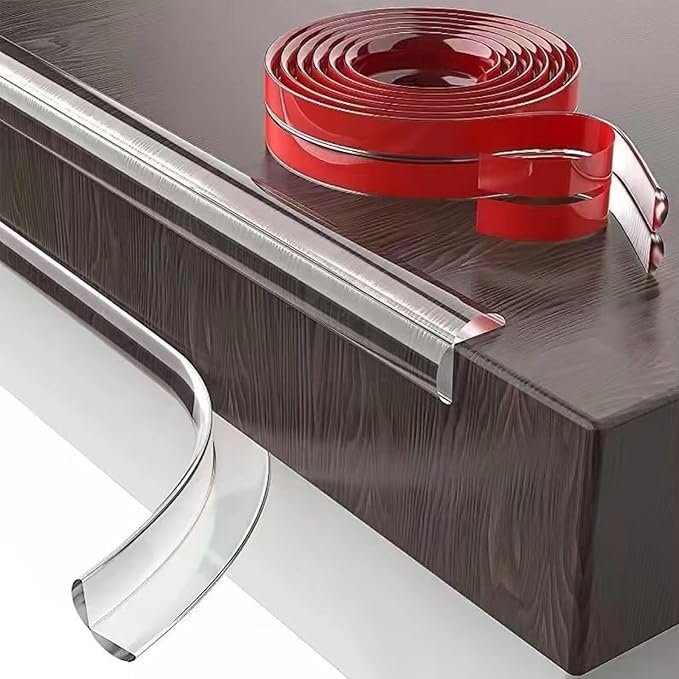
Protectors for Corners and Edges: Essential Safety Solution for Your Home
In any home, office, or workspace, safety is always a top priority—especially when you have children, pets, or high-traffic areas where accidents are more likely to occur. One often-overlooked yet highly effective solution to reduce injury risk is protectors for corners and edges. These simple yet practical safety products are designed to prevent bumps, bruises, and more serious injuries by cushioning sharp corners and edges on furniture, appliances, countertops, and other household items.
Whether you’re childproofing your home, safeguarding elderly family members, or just aiming to prevent accidental damage to your furniture, corner and edge protectors are a must-have accessory. Let’s dive into the features, benefits, and different types of corner and edge protectors available.
Key Features of Protectors for Corners and Edges
- Soft, Cushioned Material:
Most corner and edge protectors are made from soft, impact-absorbing materials such as foam, silicone, or rubber. These materials provide a cushioning effect that helps to reduce the force of impact when someone bumps into a sharp edge or corner, preventing cuts, bruises, and other injuries. - Clear, Transparent Design:
Many protectors are designed to be clear or translucent, allowing them to blend seamlessly with the furniture without standing out. This ensures that the safety feature doesn’t interfere with the aesthetic of your home while still providing the necessary protection. Some options are also designed with a discreet color to match the furniture for a more natural look. - Easy Installation:
Corner and edge protectors are typically very easy to install, with no complex tools or instructions needed. Most of them come with adhesive backing that securely attaches the protector to the corner or edge. Once attached, they stay firmly in place, offering reliable protection without requiring frequent adjustments or reapplication. - Versatility:
These protectors are highly versatile and can be used on a wide variety of surfaces and furniture items. They’re commonly applied to tables, countertops, bookshelves, cabinets, coffee tables, and even appliances with sharp edges. Whether you’re looking to protect your child from bumps on furniture or avoid damage to walls and door frames, corner and edge protectors can be used throughout your home. - Childproofing:
One of the most popular uses for corner and edge protectors is childproofing. Babies and toddlers are naturally curious and tend to explore their surroundings by crawling, walking, or running into objects. Edge protectors prevent injuries caused by sharp furniture corners, while corner protectors shield fragile edges, helping to ensure your little ones are safe from sharp impacts. - Durability:
Most corner and edge protectors are designed to be durable and long-lasting. High-quality materials like silicone and rubber are resistant to wear and tear, making them a reliable investment for your home’s safety. These protectors can withstand the bumps and abrasions of daily use and will continue to provide protection for years to come. - Washable and Reusable:
Many edge and corner protectors are washable and reusable. If they become dirty or accumulate dust over time, you can simply remove them, clean them, and reattach them to the same or different furniture pieces. This makes them a low-maintenance solution for ongoing safety needs.
Benefits of Using Protectors for Corners and Edges
- Prevents Injuries:
The primary benefit of corner and edge protectors is injury prevention. Sharp furniture edges can cause painful cuts or bruises, especially when children or pets are running around or exploring. With the added cushioning, these protectors reduce the risk of accidents significantly, creating a safer environment for all household members. - Peace of Mind for Parents:
When you have young children, sharp edges and corners pose a significant safety risk. Installing corner and edge protectors in key areas of your home gives parents peace of mind, knowing that they’ve minimized the risk of painful accidents. These products are especially helpful in nurseries, playrooms, and living rooms where little ones are likely to spend a lot of time. - Protects Your Furniture and Walls:
Not only do corner and edge protectors help keep your family safe, but they also protect your furniture and walls from accidental damage. When sharp furniture corners come into contact with walls or other items, it can lead to unsightly nicks, scratches, or dents. These protectors act as a buffer to absorb impacts and keep both your family and your furniture in good condition. - Protects Elderly Family Members:
As people age, their balance and coordination may decline, making them more vulnerable to falls and bumps. Sharp corners and edges can pose a hazard, particularly in kitchens and living areas where accidents are more common. Edge protectors help mitigate this risk by providing a softer, safer surface to come into contact with in case of an accidental bump. - Aesthetic Appeal:
The transparent or neutral designs of many corner and edge protectors make them visually unobtrusive. They don’t distract from the overall look of your furniture or home decor, allowing you to maintain a modern, clean aesthetic while still adding a layer of protection. - Ideal for High-Traffic Areas:
Places like living rooms, dining rooms, and kitchens, where people are often moving around and may not always be paying attention, are prime spots for installing corner and edge protectors. These areas tend to have more furniture with sharp edges that pose risks of injury. By applying protectors, you can ensure safety without compromising the look or functionality of the space.
Types of Corner and Edge Protectors
- Corner Protectors:
Corner protectors are specifically designed to cover the sharp edges of tables, bookshelves, cabinets, and counters. They come in various shapes and sizes to fit different corner angles, such as 90-degree corners and round corners. Some corner protectors feature a molding-like design, while others are soft foam or silicone covers that can be easily attached and removed. - Edge Protectors:
Edge protectors are usually applied along the edges of countertops, tables, desks, and even walls. These protectors are typically longer strips of material that can be cut to the desired length and then stuck along the edge. They provide an effective barrier for both vertical and horizontal edges, helping to reduce damage or injury caused by accidental contact. - Silicone Corner and Edge Protectors:
Silicone corner and edge protectors are a popular choice due to their soft yet durable material. Silicone provides a non-toxic, hypoallergenic, and flexible surface, making it safe for children and pets. Additionally, silicone protectors are easy to clean, water-resistant, and long-lasting. - Foam Corner and Edge Protectors:
Foam protectors are lightweight, soft, and effective at absorbing impact. They are often padded and come with adhesive backing for easy installation. Foam corner protectors are typically available in neutral colors, making them an unobtrusive addition to your furniture. - Rubber Corner and Edge Protectors:
Rubber protectors are more durable than foam options and provide a slightly firmer cushioning effect. They offer strong protection against accidental impacts and are often favored for use in areas where additional shock absorption is needed, such as on coffee tables or sharp kitchen counters. - Clear Plastic Protectors:
Clear plastic corner and edge protectors are often used when you don’t want to disrupt the look of your furniture. They’re discreet, practical, and protect corners without drawing attention. These are a great option if you want to maintain the original appearance of your furniture. - Customizable Designs:
For specific furniture pieces or unique safety needs, there are customizable corner and edge protectors that can be tailored to your preferences. These can be cut to size or modified to fit unusual or custom-made furniture.
How to Install Corner and Edge Protectors
- Clean the Surface:
Before installing protectors, clean the area where they will be applied. Wipe down the furniture or wall to remove any dirt or dust, ensuring that the adhesive will stick properly. - Measure and Cut:
If your protectors need to be cut to fit, measure the length of the edge or corner you want to cover and trim the protector accordingly. Many edge protectors come in rolls, which makes this easy to do. - Apply Adhesive:
Most protectors come with an adhesive backing. Simply peel off the protective layer and stick the protector to the corner or edge. Make sure it is securely in place. - Press and Smooth:
Once the protector is applied, press down firmly to ensure a solid bond with the surface. Smooth out any air bubbles to ensure it stays in place. - Let It Set:
Allow the adhesive to set for a few minutes to ensure that the protector stays in place before using the furniture.
6.Protectors for corners and edges are a simple yet effective solution to keeping your home safe, organized, and injury-free. By cushioning sharp corners and edges, these protectors reduce the risk of accidents while offering peace of mind, especially for families with young children, pets, or elderly members. With easy installation, durable materials, and a variety of styles to suit different needs, these protectors provide an affordable and efficient