Bone Conduction Headphones
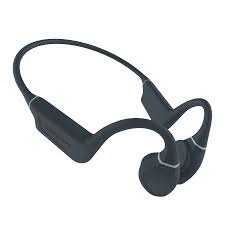
Bone Conduction Headphones: The Future of Listening and Hearing
When it comes to audio technology, Bone Conduction Headphones are revolutionizing the way we listen to music, take calls, and even stay aware of our surroundings. Unlike traditional headphones that sit in or over your ears, bone conduction technology allows you to listen to sound through the bones in your skull, bypassing the eardrum altogether. This makes them not only unique but incredibly useful for a wide range of activities, from outdoor adventures to everyday tasks.
In this blog, we’ll explore what bone conduction headphones are, how they work, and why they’re becoming an increasingly popular choice for music lovers, athletes, and those seeking a safer, more convenient way to listen to audio.
What Are Bone Conduction Headphones?
Bone conduction headphones are a type of audio device that use vibrations to transmit sound directly to the bones in your skull—specifically, the cheekbones and jawbone. These vibrations bypass the eardrum and travel through the bones to your inner ear, allowing you to hear sound without blocking or covering your ears.
Instead of using traditional methods like speakers or earphones, bone conduction relies on transducers placed against the side of your head. These transducers vibrate, and the vibrations are picked up by the bones, which then carry the sound to the auditory nerve. As a result, you hear the sound without obstructing your ear canal, leaving your ears open to hear ambient noise.
How Do Bone Conduction Headphones Work?
Bone conduction headphones work by utilizing the principle of bone conduction, a natural phenomenon in which sound vibrations are transmitted through the bones of the skull. Here’s a simple breakdown of how they operate:
- Vibration Transducers: The headphones have vibration transducers that create sound waves by vibrating. These transducers are typically positioned on the temples, just in front of your ears.
- Sound Waves to Bones: The sound vibrations are transferred to your bones, bypassing your eardrum and traveling directly to the cochlea (part of the inner ear).
- Auditory Nerve: The cochlea then sends signals to your auditory nerve, allowing you to perceive the sound without your eardrum being involved in the process.
This method allows you to hear music, podcasts, and calls while still keeping your ears free, enabling you to remain aware of your surroundings.
Why Should You Choose Bone Conduction Headphones?
1. Stay Aware of Your Environment
One of the standout features of bone conduction headphones is that they don’t block your ears. Traditional headphones or earphones cover or sit inside the ear canal, which can block out ambient sounds, such as traffic, voices, or warning signals.
With bone conduction technology, your ears are left open, allowing you to listen to your audio while still hearing what’s happening around you. This makes them ideal for outdoor activities, such as running, cycling, or hiking, where staying aware of your surroundings is crucial for safety.
2. Comfort and No Ear Fatigue
Traditional headphones can become uncomfortable after long listening sessions, especially those that fit in or over the ears. Whether it’s earbuds that irritate the ear canal or over-ear headphones that press on the sides of the head, it can lead to discomfort and ear fatigue.
Bone conduction headphones are designed to sit comfortably on the sides of your head, leaving your ears free from pressure. They rest on the temples or just in front of the ears, offering a lightweight and comfortable fit that’s perfect for extended use without causing discomfort.
3. Ideal for People with Hearing Impairments
Bone conduction headphones are a game-changer for individuals with certain types of hearing loss. People with damaged eardrums or middle ear issues can benefit from these headphones because they bypass the ear canal entirely and transmit sound directly to the inner ear. This makes them a valuable tool for those who may have trouble using traditional headphones.
Additionally, those who use hearing aids can sometimes benefit from bone conduction headphones, as they allow users to hear sound without interfering with their hearing devices.
4. Safety During Physical Activities
If you’re an athlete or someone who enjoys outdoor activities like running, cycling, or hiking, bone conduction headphones offer a safe alternative to traditional headphones. Since they leave your ears open, you can still hear important sounds like traffic, horns, sirens, or other environmental cues while enjoying your music or podcast.
Many bone conduction headphones are designed to be sweatproof and water-resistant, making them perfect for workouts, outdoor adventures, or sports, no matter the weather.
5. Hands-Free Calls and Voice Assistance
In addition to music, bone conduction headphones often feature built-in microphones that allow you to take calls hands-free. The bone conduction technology enables clearer voice transmission because your voice vibrations are picked up directly through your skull, reducing background noise interference.
Many models also include integration with voice assistants such as Siri or Google Assistant, allowing you to control your music, answer calls, or check the weather without taking your phone out of your pocket.
6. Lightweight and Portable
Bone conduction headphones are typically much lighter than traditional over-ear headphones or bulky headsets. Their small size and compact design make them easy to carry around and comfortable to wear for long periods. Whether you’re traveling, working out, or commuting, they’re a portable and space-efficient option.
Key Features to Look for in Bone Conduction Headphones
When shopping for bone conduction headphones, it’s important to consider the following features to ensure you choose the right model for your needs:
1. Audio Quality
While bone conduction headphones are innovative, audio quality can vary between models. Look for headphones that offer balanced sound quality, with clear treble and bass. Some premium models come with HD sound quality for an immersive listening experience, while others focus on clarity and noise reduction.
2. Comfort and Fit
Bone conduction headphones are designed for comfort, but make sure to choose a model that fits snugly but comfortably on your head. Adjustable bands, ergonomic designs, and soft-touch materials can enhance the overall fit and comfort.
3. Battery Life
Long battery life is essential for bone conduction headphones, especially if you plan to use them for extended periods, such as during long runs or travel. Look for models with at least 6-10 hours of playtime, depending on your intended use. Some models feature fast-charging capabilities as well.
4. Durability and Water Resistance
For outdoor use, it’s important to select water-resistant or sweatproof bone conduction headphones. Many high-end models offer IPX5 or higher water resistance, which ensures they can withstand sweat or light rain. If you plan on using them during intense workouts or in wet conditions, make sure to choose a durable option.
5. Bluetooth Connectivity
Ensure that your bone conduction headphones come with Bluetooth 4.0 or higher for reliable and stable wireless connectivity. Many models are also compatible with multi-point Bluetooth pairing, so you can connect to more than one device at once, such as a smartphone and a laptop.
6. Control Features
Many models come with easy-to-use controls integrated into the frame, allowing you to adjust volume, skip tracks, or answer calls with simple buttons. Consider the ease of use and placement of these controls for a smoother experience.
7. Noise Cancellation
While bone conduction headphones are great for hearing your environment, some models offer active noise cancellation or sound isolation to help improve audio quality in noisy environments, such as busy streets or loud gyms.
Who Should Use Bone Conduction Headphones?
1. Athletes and Outdoor Enthusiasts
If you enjoy outdoor activities like running, cycling, or hiking, bone conduction headphones allow you to stay aware of your surroundings while enjoying your music. They’re also ideal for workouts as they are sweat-resistant and won’t cause discomfort during long sessions.
2. People with Hearing Loss
For individuals with certain hearing impairments, bone conduction technology provides an alternative to traditional headphones, allowing sound to bypass the eardrum and reach the inner ear directly.
3. Travelers and Commuters
If you’re always on the go, whether you’re traveling or commuting, bone conduction headphones are perfect for hands-free calls and music listening while staying aware of your environment. You won’t miss any important announcements or alerts while enjoying your audio.
4. People Looking for Comfort
If you find traditional headphones uncomfortable or irritating after long periods, bone conduction headphones offer a comfortable, ergonomic alternative that doesn’t put pressure on your ears.
The Next Step in Audio Innovation
Bone conduction headphones represent a leap forward in audio technology, combining comfort, safety, and innovation in one device. Whether you’re an athlete, a commuter, or someone who just wants a comfortable and unique listening experience, these headphones are designed to enhance your audio enjoyment while keeping you aware of your surroundings.
With their open-ear design, lightweight construction, and cutting-edge sound transmission, bone conduction headphones are paving the way for a new era of listening. So, if you’re looking for something new and innovative, it might be time to make