USB C Charger Cable
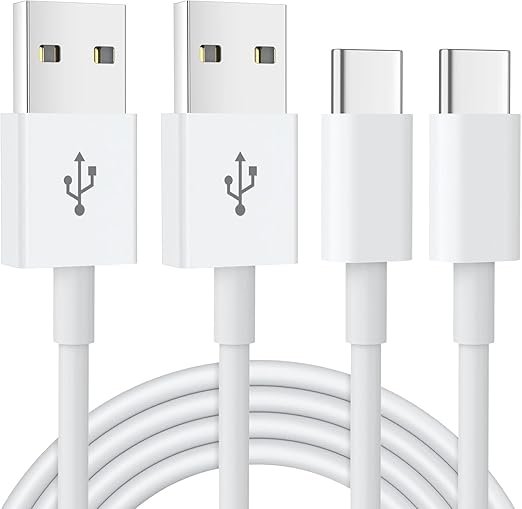
USB C Charger Cable: The Modern Solution for Fast and Efficient Charging
In today’s world, where smartphones, laptops, tablets, and other electronic devices are a part of our daily lives, a USB C Charger Cable has become an essential accessory. With its fast charging capabilities, universal compatibility, and reversible design, the USB C cable has quickly become the go-to choice for powering up devices. Whether you’re at home, in the office, or on the go, having the right charging cable can make a world of difference in how quickly and efficiently you charge your devices.
In this article, we’ll explore everything you need to know about USB C Charger Cables: their features, benefits, compatibility, and how to choose the best one for your needs.
What is a USB C Charger Cable?
A USB C Charger Cable is a type of USB cable that features a USB Type-C connector at both ends or one end, depending on the design. USB Type-C is a newer and more advanced connection standard compared to traditional USB-A and USB-B connectors. This type of cable is used to charge devices, transfer data, and even output video signals, making it a versatile and indispensable tool for modern technology.
Key Features of a USB C Charger Cable
- Reversible Design:
One of the most convenient features of a USB C cable is its reversible design. Unlike older USB cables, the USB-C connector can be plugged in either way, making it easier to connect your devices without worrying about orientation. This small but significant design improvement saves you time and frustration. - Fast Charging:
Many USB C Charger Cables support fast charging technologies like USB Power Delivery (PD) and Quick Charge. This allows devices to charge much faster than with traditional USB cables, so you can spend less time plugged in and more time using your device. For example, smartphones, laptops, and tablets equipped with USB-C can charge up to 70% faster compared to older USB-A cables. - Data Transfer:
USB C cables don’t just charge devices—they also enable high-speed data transfer. Depending on the cable, you can expect speeds of up to 10Gbps for USB 3.1 and 40Gbps for Thunderbolt 3-enabled cables. This is perfect for transferring large files, syncing data, and backing up your information in a fraction of the time it would take with older cables. - Universal Compatibility:
USB C cables have become the standard connector for many devices, including smartphones, laptops, tablets, gaming consoles, smartwatches, and more. It’s a universal cable that works across multiple brands and platforms, offering a simple and consistent connection for all your devices. Whether you use Apple, Samsung, Google, or Windows devices, a USB C charger cable can easily handle your charging and data needs. - Durability and Strength:
USB C Charger Cables are designed to be more durable than their predecessors. With reinforced connectors and tougher, braided exterior coatings, these cables are built to withstand wear and tear over time. This makes them less prone to fraying or breaking, offering a longer lifespan than older USB cables. - Versatile Functions:
In addition to charging and data transfer, many USB C cables can also support video output (via DisplayPort or HDMI), allowing you to connect your device to an external monitor or TV. This versatility makes USB C cables an all-in-one solution for your connectivity needs. - Compact and Lightweight:
Compared to older USB cables, USB C Charger Cables are often smaller and more compact, making them easier to carry around. This is especially helpful for those who need to travel frequently, as the cables fit easily in bags or pockets without adding bulk.
Benefits of Using a USB C Charger Cable
- Faster Charging and Efficiency:
One of the primary benefits of a USB C Charger Cable is its ability to charge devices quickly. Whether you’re topping off your smartphone or powering up a laptop, USB C provides a faster charging experience. With USB Power Delivery (PD) and Quick Charge 3.0 support, you can charge devices from 0% to 50% in as little as 30 minutes, compared to the slower speeds of traditional charging methods. - Increased Data Transfer Speeds:
USB C cables can offer much faster data transfer speeds compared to older USB versions. USB 3.1 cables, for example, can transfer data at up to 10Gbps, while Thunderbolt 3 cables can achieve speeds of up to 40Gbps. This makes them perfect for transferring large files, editing high-resolution videos, or performing backups. - Universal and Cross-Device Compatibility:
USB C is becoming the universal standard for charging and data transfer, meaning that you only need one cable type for a wide range of devices. You won’t have to worry about carrying different cables for different devices—USB C is compatible with smartphones, laptops, tablets, gaming consoles, and more. - Future-Proof:
As more and more devices adopt the USB C standard, having a USB C Charger Cable ensures you’ll be prepared for the future. Many modern devices, including laptops like the MacBook Pro and Chromebooks, now exclusively feature USB-C ports, making this type of cable a crucial investment. - Versatility:
A USB C cable isn’t just limited to charging and data transfer. With the right USB C to HDMI or USB C to DisplayPort adapter, you can also use it to connect your devices to monitors, projectors, or TVs. This makes the USB C charger cable incredibly versatile, especially for presentations or media streaming. - Portability:
The slim design of USB C cables makes them easy to carry, and the flexibility in the cable ensures that they don’t take up too much space in bags, backpacks, or pockets. Whether you’re traveling for work or leisure, these cables are lightweight and portable.
How to Choose the Right USB C Charger Cable
- Check the Charging Speed:
Not all USB C cables support fast charging. If you want to take advantage of quick charging features, make sure the cable supports USB Power Delivery (PD) or Quick Charge. Look for labels or specifications that mention fast charging or high-speed charging. - Consider Data Transfer Speed:
If you plan to use the cable for transferring data, choose one with USB 3.1 or Thunderbolt 3 capabilities for the fastest speeds. USB 3.0 cables typically offer speeds up to 5Gbps, while USB 3.1 and Thunderbolt 3 cables can reach 10Gbps and 40Gbps, respectively. - Cable Length:
Consider the length of the cable depending on your usage. Short cables (1 to 3 feet) are great for portability and close connections, while longer cables (6 feet or more) are ideal if you need to charge your device from a distance, such as on your desk or when your wall outlet is far away. - Durability and Build:
If you’re looking for a cable that will last longer, consider a braided cable or one with reinforced connectors. Braided cables tend to be more durable, while reinforced connectors help prevent wear and tear from frequent plugging and unplugging. - Brand and Certification:
Make sure to choose a certified USB C cable from reputable brands. Look for USB-IF (USB Implementers Forum) certification or other certifications like MFI (Made for iPhone) for Apple devices. These ensure compatibility, safety, and performance.
Who Should Use a USB C Charger Cable?
- Smartphone and Tablet Users:
If you own a smartphone or tablet with a USB-C charging port, a USB C charger cable is a must-have for fast charging and efficient data syncing. - Laptop Owners:
Many modern laptops (e.g., MacBook, Chromebooks) use USB-C exclusively for charging and data transfer, making a USB C cable essential for daily use. - Travelers and Professionals:
For those who are constantly on the go, having a USB C charger cable is convenient because of its compact size and universal compatibility across devices. - Tech Enthusiasts and Early Adopters:
If you are someone who loves staying ahead of the curve with the latest tech, you’ll appreciate the versatility, fast charging, and future-proof capabilities of USB C cables.
A USB C Charger Cable is a modern, versatile, and efficient solution for keeping your devices powered up and connected. With faster charging, high-speed data transfer, and universal compatibility, it’s the ideal choice for anyone who owns a smartphone, laptop, tablet, or other USB-C enabled device.
Whether you’re looking to reduce charging time, increase data transfer speeds, or simplify your tech setup with a single type of cable, a USB C charger cable will make your life easier and more convenient. Make sure to choose a cable that meets your specific needs