Electronic Digital Breathalyser
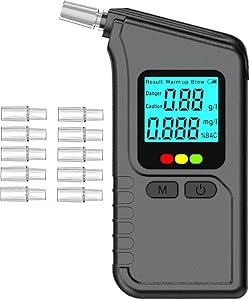
Electronic Digital Breathalyser: Fast, Accurate Alcohol Testing
An electronic digital breathalyser is a portable device designed to measure the amount of alcohol in a person’s breath. These devices provide a quick and convenient way to estimate blood alcohol concentration (BAC) levels — helping individuals make safer decisions before driving, working, or engaging in tasks that require full alertness.
Often used by individuals, families, and organizations, digital breathalysers deliver instant numerical results on a screen, making it easier to understand your level of alcohol in real time.
How a Digital Breathalyser Works
A digital breathalyser contains a sensitive sensor that analyzes the alcohol content in the air you exhale. When you blow into the device’s mouthpiece, the sensor detects alcohol molecules and estimates a corresponding BAC value. The device then displays the result digitally, usually as a percentage.
The most common sensors include:
- Semiconductor Sensors: Affordable and widely used in personal breathalysers
- Fuel Cell Sensors: More accurate and often found in professional devices
- Infrared Sensors: Used in highly precise, laboratory or law-enforcement models
Electronic breathalysers translate chemical signals into numerical BAC readings within seconds.
Why Use an Electronic Digital Breathalyser?
Using a digital breathalyser has several practical benefits:
Quick and Clear Results
Instead of guessing how alcohol affects you, you get a number that reflects your approximate BAC.
Helps With Responsible Decisions
Knowing your BAC helps determine whether it’s safe to drive, operate machinery, or make important decisions.
Portable and Easy to Use
Most devices are handheld, lightweight, and ideal for carrying in a bag or car glove box.
Track Changes Over Time
Some models store multiple readings or allow repeated tests to see how BAC changes over time.
Useful for Groups or Events
Keep one at parties or gatherings where alcohol is served so guests can check their levels before heading out.
Typical Features to Look For
When choosing an electronic digital breathalyser, consider these key features:
Sensor Accuracy
Devices with fuel cell sensors are generally more reliable than basic semiconductor models.
Digital Display
Easy-to-read screens show numerical BAC values rather than vague indicators.
Mouthpiece Design
Detachable or replaceable mouthpieces improve hygiene — especially if you share the device.
Memory Storage
Some breathalysers save previous readings for reference or tracking.
Compact Size
Smaller models are more convenient for travel or everyday carry.
Calibration Reminder
Devices that alert you when a calibration is due help maintain accurate readings over time.
How to Use an Electronic Breathalyser
Using a breathalyser is simple, but accuracy depends on proper technique:
- Wait After Drinking:
After your last drink, wait at least 15–20 minutes before testing. Drinking immediately can yield inaccurate results. - Turn On the Device:
Power on and allow it to warm up if required (some devices need a short warm-up period). - Blow into the Mouthpiece:
Take a deep breath and blow steadily for the time indicated by the device. - Read the Result:
Once processing is complete, the BAC value appears on the digital screen. - Interpret Carefully:
Remember that different regions have legal BAC limits for driving; a result below the legal limit does not guarantee safety.
Always follow the device’s user manual for best results and hygiene practices.
Understanding BAC Readings
Blood Alcohol Concentration (BAC) is expressed as a percentage. For example:
- 0.00% – No detectable alcohol
- 0.02–0.05% – Mild effects; caution advised
- 0.05–0.08% – Greater impairment risk
- 0.08% and above – Often exceeds legal driving limits in many regions
Legal limits vary by country and region, so always check local laws before driving or operating machinery.
Tips for Accurate Measurement
- Avoid Eating or Drinking Right Before Testing: Residual alcohol in the mouth can affect readings.
- Calibrate Regularly: Follow the manufacturer’s calibration schedule.
- Use a Clean Mouthpiece: Replace or clean mouthpieces between uses for hygiene and accuracy.
- Test Multiple Times: A few readings spaced a few minutes apart can help confirm results.
Safety and Legal Considerations
An electronic breathalyser provides an estimate, not a medical or legal determination of alcohol levels. Results may vary based on sensor type, device quality, and user technique. For legal use or official measurement, law-enforcement tools and certified devices are required.
Always err on the side of caution: even if your reading shows a low BAC, alcohol can affect reflexes, judgment, and coordination.
Final Remarks
An electronic digital breathalyser is a valuable personal tool for estimating alcohol levels quickly and conveniently. It promotes responsible decision-making by giving immediate feedback, whether you’re checking before driving, meeting friends, or winding down at home. With regular calibration and proper use, a quality breathalyser can become an important part of your safety routine.
*Disclosure: As an Amazon Associate, this website may earn a commission from qualifying purchases at no additional cost to you.*