Dehumidifier for Home
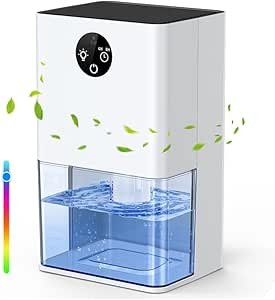
Dehumidifier for Home: Keep Your Indoor Air Comfortable & Healthy
A dehumidifier for home is a household appliance designed to remove excess moisture from the air, helping maintain a comfortable humidity level throughout your living spaces. High humidity can lead to musty odors, mold and mildew growth, dust mites, and discomfort — especially in bathrooms, basements, kitchens, and humid climates. A home dehumidifier helps control moisture, improve air quality, protect belongings like furniture and clothes, and support overall health.
This guide explains how dehumidifiers work, why they’re useful, features to look for, and tips for choosing the right model for your home.
What Is a Dehumidifier for Home?
A home dehumidifier is a machine that draws moist air from your room, cools it to condense the water, collects the moisture in a tank, and releases drier air back into the space. By lowering indoor humidity (ideally between 30% and 50% relative humidity), it reduces the risk of mold, dust mites, and other problems associated with damp air.
Common types include:
- Portable dehumidifiers: Standalone units you can move between rooms
- Basement dehumidifiers: Designed for large, damp areas
- Whole-house dehumidifiers: Integrated with HVAC systems to serve the entire home
How Does a Dehumidifier Work?
Most household dehumidifiers use a refrigeration process similar to an air conditioner:
- Air Intake: A fan pulls humid room air into the unit.
- Cooling Coils: Moisture in the air condenses into water droplets on cold coils.
- Water Collection: Condensed water drains into a removable tank or via a hose.
- Re-Emission: Dry air is reheated slightly and released back into the room.
Heat pump (compressor) units are common for warm environments, while desiccant dehumidifiers use moisture-absorbing materials and are effective in cooler conditions.
Why You Need a Home Dehumidifier
1. Stop Mold and Mildew
Excess moisture fosters mold growth on walls, ceilings, carpets, and fabrics. Removing humidity helps prevent mold formation and protects your home’s structure.
2. Improve Air Quality
Damp air promotes dust mites and allergens. Lower humidity reduces these indoor irritants and supports easier breathing.
3. Protect Belongings
Wood furniture, electronics, books, and clothes can be damaged by persistent moisture. A dehumidifier extends the life of your belongings.
4. Reduce Musty Odors
High humidity creates stale, musty smells. Removing excess moisture freshens indoor air naturally.
5. Enhance Comfort
Rooms with balanced humidity feel cooler in summer and warmer in winter — improving comfort without overworking heating or cooling systems.
Key Features to Consider
Capacity (Pints per Day)
Dehumidifier capacity indicates how much moisture it can remove in 24 hours. Typical home units range from 20–50+ pints/day; larger or damp areas may need higher capacity.
Room Size Coverage
Check the manufacturer’s recommended square footage to match the dehumidifier to your room or area — e.g., 500 sq. ft., 1,000 sq. ft., etc.
Tank Size or Continuous Drain
- Tank/Reservoir: Collects water; needs regular emptying.
- Continuous Drain Option: Attaches to a hose for automatic water removal — ideal for basements or frequent use.
Built-In Humidistat
Allows you to set a target humidity level; the dehumidifier turns on/off automatically to maintain it.
Auto-Restart
After power outages, this feature lets the unit resume previous settings without manual intervention.
Energy Efficiency
Look for energy-efficient models that remove moisture without driving up electricity bills.
Noise Level
Quieter units are better for bedrooms, living rooms, or home offices.
Portability
Caster wheels and handles make moving the unit between rooms easier.
How to Choose the Right Size
Here’s a general guide to match dehumidifier capacity with room size and conditions:
- Small Rooms (Up to ~500 sq. ft.): 20–30 pints/day
- Medium Rooms (500–1,000 sq. ft.): 30–40 pints/day
- Large Areas (1,000+ sq. ft.): 40–50+ pints/day
- Very Damp/Basement Areas: Choose a higher capacity even for smaller spaces
Always check the product’s specifications and room conditions — very humid basements may require a stronger unit.
Where to Place Your Dehumidifier
- Basement: Damp, musty areas benefit most
- Bathroom: Reduces fog and moisture buildup
- Kitchen: Helps control steam and humidity from cooking
- Laundry Room: Removes moisture from drying clothes
- Bedrooms or Living Areas: Improves all-around comfort
Place the unit away from walls and obstacles for good airflow. Avoid blocking vents.
Tips for Best Results
- Clean the Filter Regularly: Keeps air flowing and improves efficiency.
- Empty the Water Tank Often: Prevents overflow or odor buildup.
- Use Continuous Drain When Possible: Reduces maintenance for frequent use.
- Monitor Humidity with a Hygrometer: Target 30–50% relative humidity for comfort and mold prevention.
- Run During Peak Humidity: In summer or rainy seasons, frequent operation helps stabilize air quality.
Everyday Benefits You’ll Notice
- Fewer musty smells and damp spots
- Reduced respiratory discomfort for allergy sufferers
- Less condensation on windows
- Better carpet and furniture longevity
- Enhanced overall home comfort
Closing Summary
A dehumidifier for home is a valuable addition for anyone dealing with humid indoor air. It improves air quality, prevents mold, protects belongings, and enhances comfort in living spaces. By choosing the right capacity, features, and placement, you can enjoy a healthier, fresher, and more comfortable home environment year-round.
*Disclosure: As an Amazon Associate, this website may earn a commission from qualifying purchases at no additional cost to you.*