Rock glue for landscaping
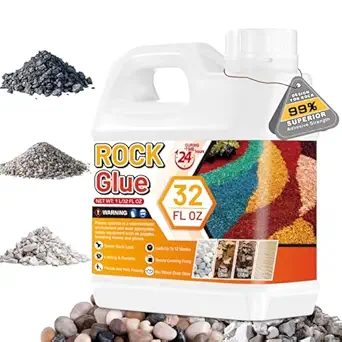
Rock Glue for Landscaping — Strong, Durable Fixes for Stones & Hardscapes
Rock glue for landscaping (also called stone adhesive, landscape adhesive, or stone bonding glue) is a specialized construction adhesive designed to bond stones, rocks, pavers, bricks, and concrete elements in outdoor landscaping projects. It creates a strong, weather‑resistant, flexible bond that holds up under sun, rain, freeze/thaw cycles, and ground movement — making it ideal for retaining walls, garden edging, rock veneers, steps, and decorative stone work.
What Is Rock Glue?
Rock glue is a high‑strength adhesive formulated to stick porous and non‑porous materials (like natural stone, slate, concrete pavers, ceramic, and brick) to each other or to substrates such as concrete or mortar. Unlike regular household adhesives, landscape stone glues are engineered to withstand:
✔ Outdoor weathering (rain, temperature change)
✔ UV exposure
✔ Ground vibration and settling
✔ Moisture and humidity
✔ Freeze/thaw expansion
They often come in tube form for caulking guns or tub/pack form for mixing with sand or cement.
Where It’s Commonly Used
| Application | Why Rock Glue Helps |
|---|---|
| Garden Edging & Borders | Keeps stones aligned and prevents shifting |
| Stacked Stone Walls or Retaining Walls | Adds strength and stability |
| Stone Veneer & Cladding | Bonds decorative stone to masonry or concrete |
| Pathway Stones & Pavers | Holds joints tight and stops weed growth |
| Steps & Landscape Features | Enhances safety and durability |
| Decorative Rock Features | Bonds irregular surfaces securely |
Types of Landscape Rock Glue
1. Construction Adhesive (Polyurethane or Hybrid Polymer)
- Weather‑proof
- Strong bond to stone, concrete, wood
- Flexible after curing
- Easy gun‑apply
Best for: Anchoring stones, securing pavers and edging.
2. Masonry Adhesive / Cementitious Glue
- Mixed with sand/cement or as a premix
- Bonds stone to mortar or concrete
- Ideal where a traditional mortar look is desired
Best for: Steps, walls, and structural stone placement.
3. Epoxy Stone Adhesives
- 2‑part systems with exceptional strength
- Very durable against load and moisture
Best for: Heavy stone pieces or load‑bearing bonding.
Key Features to Look For
| Feature | Benefit |
|---|---|
| Weather Resistance | Holds through rain, sun, frost |
| Flexible Cure | Adapts to ground movement and temperature changes |
| High Bond Strength | Keeps heavy stone secure |
| UV Stable | Won’t degrade in sunlight |
| Easy Application | Gun or trowel friendly |
| Gap‑Filling Ability | Works with uneven stone surfaces |
How to Use Rock Glue in Landscaping
Preparation
- Clean Surfaces: Remove dirt, dust, loose material, or moisture.
- Dry Surfaces: Ensure stones and substrate are dry for better adhesion.
- Fit Test: Dry‑fit pieces to determine positioning.
Application
- Apply Adhesive:
- If it’s in a caulk tube, use a caulking gun.
- For mortar‑style adhesives, use a trowel and apply a thin layer.
- Place Stones: Press stones firmly together or onto the base surface.
- Wipe Excess: Remove squeeze‑out before it dries.
- Cure Time: Allow full cure per manufacturer instructions (often 24–48 hours or more for heavy bonds).
Tip: Always follow the product label for mixing, working times, and safety.
Installation Tips for Strong Results
✔ Work in Sections: Apply adhesive only to the area you’ll set before it skins over.
✔ Use Clamps or Supports: For heavier pieces, support until glue cures.
✔ Match Gaps: If surfaces aren’t even, choose an adhesive with good gap‑filling properties.
✔ Avoid Rain During Cure: Schedule installation in dry conditions when possible.
✔ Use Safety Gear: Gloves and eye protection recommended.
Advantages Over Traditional Mortar
| Feature | Rock Glue | Mortar |
|---|---|---|
| Flexibility | Higher (absorbs movement) | Low (rigid) |
| Ease of Use | Simple caulk/trowel | Requires mixing, skill |
| Cure Speed | Often faster | Longer set times |
| Less Mess | Cleaner application | Dust/cement mixing |
| Bond Strength | Excellent | Good (but rigid) |
Rock glue simplifies jobs that would otherwise require skillful masonry — but still performs well for structural needs.
Common Mistakes to Avoid
❌ Applying on Wet/Dirty Surfaces – Reduces bond strength
❌ Ignoring Manufacturer Cure Time – Disturbs bond before full strength
❌ Using Indoor Adhesive Outdoors – Fails under weather exposure
❌ Skipping Gap Fill – Leaves weak contact on irregular stones
Safety Precautions
- Work in well‑ventilated areas (strong odors from polyurethane or epoxy formulas).
- Wear gloves and eye protection.
- Avoid prolonged skin contact; wash immediately if contact occurs.
- Keep out of reach of children and pets.
Everyday Landscape Scenarios
🌿 Garden Edging: Secure stones along flowerbeds or paths; stops shifting from foot traffic.
🏡 Retaining Walls: Adds strength with less skill than traditional masonry.
🎨 Rock Features: Bond decorative stones without visible mortar lines.
🪵 Patio Pavers: Glue pavers at joints to prevent weed growth and settling.
🚜 Steps & Platforms: Helps hold treads in place and prevents slippage.
Final Summary
Rock glue for landscaping is a strong, weather‑resistant adhesive ideal for bonding stone, pavers, brick, and other hardscape materials outdoors. It combines easy application with durable performance, giving you a reliable way to build or repair walls, pathways, steps, and decorative stonework with lasting results. Choose the right formula (polyurethane, masonry, or epoxy) for your project, prepare surfaces properly, and follow cure instructions to ensure success.
Rock glue saves time, reduces mess, and strengthens your landscape features — turning design ideas into solid, long‑lasting reality.
*Disclosure: As an Amazon Associate, this content may earn a commission from qualifying purchases at no additional cost to you.*