Bird feeder
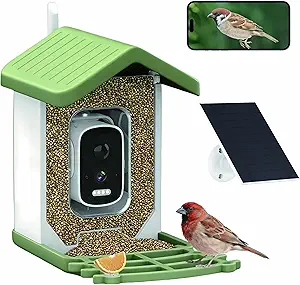
Bird Feeder — Attract Nature, Feed Feathered Friends
A bird feeder is a simple outdoor device designed to hold bird food and attract wild birds to your yard, balcony, patio, or garden. It brings nature closer, supports local bird populations, and provides hours of enjoyable bird watching for families, nature lovers, and photographers alike. With the right feeder and food, you can welcome a variety of bird species right outside your window.
This guide explains what a bird feeder is, how it works, types of feeders, what to feed birds, placement tips, and how to maintain it.
What Is a Bird Feeder?
A bird feeder is a container or hanging device that holds seeds, nectar, suet, or other bird food in a way that birds can easily access it. It’s often placed outdoors — on trees, stands, poles, or hanging hooks — and helps birds find reliable food, especially during winter or in areas with fewer natural food sources.
Why Use a Bird Feeder?
1. Attract Birds Easily
Feeder food draws birds that might otherwise be rare visitors.
2. Bird Watching & Education
Great for kids, families, and adults to observe species and behavior.
3. Support Local Wildlife
Provides supplemental nutrition, especially in colder months or urban landscapes.
4. Garden Health
Many birds help control insects and pollinate plants.
5. Relaxation & Enjoyment
Watching birds can reduce stress and create a peaceful outdoor atmosphere.
Popular Types of Bird Feeders
Different feeder styles attract different birds and suit various spaces. Here’s a quick overview:
| Feeder Type | Ideal For | Best Birds Attracted |
|---|---|---|
| Hopper Feeder | Medium yards | Cardinals, Chickadees, Finches |
| Tube Feeder | Small spaces | Finches, Sparrows, Chickadees |
| Platform/Shelf Feeder | Open areas | Ground‑feeders, Doves, Juncos |
| Suet Feeder | Wooded or cool areas | Woodpeckers, Nuthatches |
| Nectar Feeder | Hummingbird gardens | Hummingbirds, Orioles |
| Window Feeder | Close viewing | Small songbirds |
What to Feed Wild Birds
Different foods attract different species:
Seeds
- Black oil sunflower — most popular, high‑fat and easy to crack
- Nyjer (thistle) — attracts finches and siskins
- Safflower — enjoyed by cardinals, ignored by some squirrels
Nectar
- Made from sugar water (no red dye)
- Best for hummingbirds and orioles
Suet
- High‑energy fat blocks
- Ideal for woodpeckers and nuthatches, especially in cold weather
Fruit & Mealworms
- Chopped fruit or dried fruit — attracts orioles and robins
- Live/freeze‑dried mealworms — protein boost for bluebirds and wrens
How to Place Your Bird Feeder
Location Matters:
- Place feeders near trees or shrubs for cover
- Avoid spots too close to windows to prevent collisions
- Keep 5–10 feet from the house for safe bird approach
Height & Safety:
- Mount 4–6 feet above ground to deter pets
- Avoid low, open areas where cats may hide
Visibility:
- Open areas help birds see predators quickly
- Near a natural perch (branch) helps them rest
Seasonal Tips
Spring & Summer
- Fresh nectar and water sources
- Clean feeders frequently to avoid mold
Fall
- Offer seeds that help birds fatten up before migration
Winter
- Keep feeders filled consistently
- Use high‑fat foods (sunflower, suet) to help birds stay warm
Maintaining Your Bird Feeder
Clean Regularly
- Rinse and scrub with mild soap every 1–2 weeks
- Avoid bleach; ensure thorough rinsing
Check for Mold
- Wet seed or nectar can go bad — remove and dry before refilling
Refill Often
- Keep food fresh and full to attract birds consistently
Inspect for Damage
- Fix cracked plastic or loose hooks for safety
Common Mistakes to Avoid
| Mistake | Why It’s a Problem |
|---|---|
| Placing feeder too close to windows | Birds may collide |
| Leaving stale food | Can grow mold and harm birds |
| Not cleaning feeder | Diseases spread easily |
| Wrong food for feeder type | Birds may ignore it |
Quick Bird Feeding Checklist
✔ Choose the right feeder for your space
✔ Use quality bird food (sunflower, thistle, suet, nectar)
✔ Place in a safe, visible location
✔ Clean feeders weekly
✔ Refill often — especially in cold or dry spells
Everyday Benefits
- Enjoy seeing more backyard bird species
- Teach kids about nature and wildlife
- Help birds thrive in urban/suburban areas
- Increase your connection to the outdoors
Conclusion
A bird feeder is a simple yet rewarding addition to any outdoor space. It invites wildlife close, supports bird populations, and gives you a front‑row seat to nature right at home. With the right feeder, quality food, and proper placement, you’ll enjoy vibrant, active bird visits season after season.
*Disclosure: As an Amazon Associate, this content may earn a commission from qualifying purchases at no additional cost to you.*