Car Dryer Air Blower
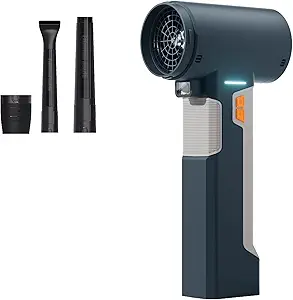
Car Dryer Air Blower — Fast, Efficient Drying for Vehicles & More
A car dryer air blower (also called a vehicle air blower, car drying blower, or air drier) is a powerful tool designed to remove water quickly from your car’s surface and crevices after washing. Instead of relying on towels (which can scratch paint) or air drying (which takes a long time), a car dryer uses high‑velocity air to blow water off paint, mirrors, windows, trim, wheel wells, and door jambs — leaving your vehicle drier, cleaner, and spot‑free.
This guide explains what a car dryer air blower is, how it works, key features to consider, common uses, safety tips, and how to choose and maintain the right model.
What Is a Car Dryer Air Blower?
A car dryer air blower is a motor‑driven device that produces a strong stream of air at adjustable speeds for rapid drying without physical contact. Rather than rubbing water away, the air simply pushes droplets off surfaces, reducing the chance of scratching or swirls while improving drying speed.
Most units are cordless (battery powered) or corded (AC powered), and some offer variable speed control for delicate surfaces or high‑speed drying.
How It Works
- Air Intake: The blower draws ambient air through a grille or filter.
- Motor & Fan Assembly: An internal motor spins a fan or impeller to accelerate the air.
- Air Output: A nozzle channels and focuses the airstream across the car surface.
The result is high‑velocity airflow that moves water off panels, into gutters, or toward drains without a sponge or towel.
Why Use a Car Dryer Air Blower?
| Advantage | What It Means |
|---|---|
| Scratch‑Free Drying | No physical contact means fewer paint marks |
| Faster Results | Dry your car quickly after a wash |
| Reach Tight Areas | Crevices, mirrors, grills, and seams dry easily |
| Less Spotting & Water Marks | Less water remaining to dry and spot |
| Multi‑Use Tool | Good for motorcycles, bikes, door frames, garage floors |
Key Features to Look For
| Feature | Why It Matters |
|---|---|
| Airflow Power (CFM / RPM) | Higher airflow dries faster |
| Variable Speed Control | Adjust for delicate panels vs strong drying |
| Power Source | Battery for mobility; corded for continuous power |
| Nozzle Design | Focused nozzles deliver directed airflow |
| Weight & Grip | Comfortable for extended use |
| Filter / Intake Protection | Reduces dust ingestion and improves longevity |
Note: Drying performance is largely driven by airflow strength (CFM — cubic feet per minute) and nozzle design more than simple motor size.
Common Uses Beyond Car Drying
- Drying motorcycles, bicycles, ATVs
- Clearing water from door jambs, trunks, and engine bays
- Drying floor and driveway areas
- Air‑blowing leaves and dust from garages
- Drying pets after bathing (on low setting and careful with heat)
Airflow & Power Comparison
| Feature | Low‑Power Models | Mid‑Range | High‑Power |
|---|---|---|---|
| CFM / Air Output | 50–150 CFM | 150–250 CFM | 250+ CFM |
| Best For | Light drying, small vehicles | Everyday cars/SUVs | Quick drying, heavy vehicles |
| Noise Level | Low–Medium | Medium | Higher |
| Typical Power Source | Battery | Battery / Corded | Corded / Hybrid |
Battery vs. Corded: Choosing What Works
Battery‑Powered Blowers
Pros
- Portable, no cord limitations
- Great for driveways, outside spaces
- Useful where outlets aren’t nearby
Cons
- Limited runtime per charge
- Lower peak airflow compared to corded units
Corded (AC) Blowers
Pros
- Continuous power with no runtime limit
- Often stronger airflow and reliability
- Good for frequent use
Cons
- Cable may limit movement
- Need nearby outlet
Hybrid (Corded + Battery)
Many modern models support both — come with battery packs and AC adapters for flexibility.
How to Use a Car Dryer Air Blower
Step‑by‑Step Drying Routine
- Wash Normally: Rinse off soap and suds.
- Start at the Top: Dry roof and upper panels first.
- Work Downward: Direct air over hoods, windows, doors in systematic passes.
- Target Crevices: Use focused nozzle to blow water from seals, trim, and mirrors.
- Final Pass: Ensure sills, wheel wells, and rocker panels are dry.
Tips
- Keep the blower moving — avoid focusing on one spot too long.
- Use variable speed: lower for delicate trim, higher for open panels.
Maintenance & Care
- Clean Intake Filters: Removes dust and debris to maintain airflow.
- Check Power Cables/Connections: Ensure safety and consistent performance.
- Store in Dry Place: Prevent moisture from damaging electronics.
- Avoid Sucking Water: Blowers are for air only; keep them away from puddles or direct water intake.
Safety Tips
- Don’t aim air directly into engine bays when the vehicle is running; ensure the engine is cool.
- For battery models, charge with the recommended charger only.
- Avoid directing air toward people’s faces at close range.
- Don’t block air intake or outlet during operation — this can overheat the motor.
- Keep clear of flammable liquids and fumes.
Everyday Scenarios Where It Helps
Daily Car Enthusiasts Fast drying between washes, especially in humid or rainy seasons.
Detailers & Car Care Pros Efficient drying without towels improves turnaround and reduces scratching.
Motorcycle Riders Quick drying of exposed metal and sensitive components.
Cyclists & Outdoor Gear Dry water from bikes, gear, or helmets easily after rain or cleaning.
Home Garage Use Blow dust from shelves, vacuum hard‑to‑reach areas, or dry floor after cleaning.
Quick Buying Checklist
- Sufficient airflow power (CFM) for your vehicle size
- Adjustable speed for flexible drying
- Right power source for your use case (battery vs corded)
- Comfortable weight and grip for extended sessions
- Durable construction and accessible filters
Typical Performance Expectations
| Task | Recommended Setting |
|---|---|
| Light drying (tiny cars) | Low–Medium airflow |
| Everyday passenger car | Medium airflow |
| SUV / Truck | Medium–High airflow |
| Detailing finishing touches | Variable speed, focused nozzle |
Final Summary
A car dryer air blower is an efficient, non‑abrasive alternative to towels for drying vehicles. With adjustable airflow and targeted nozzles, it dramatically reduces water spots, speeds up drying time, and improves the overall finish after washing. Whether you’re a casual car owner or a dedicated detailer, choosing the right blower means faster, safer, and more effective drying for cars, bikes, and other outdoor gear.
For best results, match the blower’s airflow to your vehicle size, choose the power source that fits your environment, and follow safe usage and maintenance practices.
*Disclosure: As an Amazon Associate, this content may earn a commission from qualifying purchases at no additional cost to you.*