Antifungal Shampoo
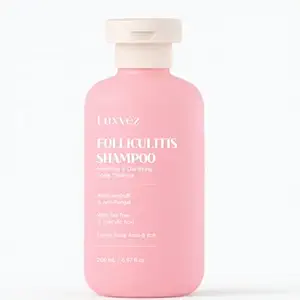
Antifungal Shampoo — Treat Scalp Fungal Issues and Restore Healthy Hair
An antifungal shampoo is a specialized cleansing product formulated to combat fungal infections on the scalp and skin, helping reduce symptoms like itching, flaking, redness, dandruff, and irritation. Unlike regular shampoos, antifungal shampoos contain active ingredients that specifically target fungal overgrowth — particularly Malassezia, a yeast‑like fungus often responsible for dandruff, seborrheic dermatitis, and other scalp conditions.
This guide explains what antifungal shampoos are, how they work, key ingredients to look for, proper usage, and tips for safe, effective use.
What Is an Antifungal Shampoo?
An antifungal shampoo is a medicated shampoo designed to eliminate or suppress fungal organisms on the scalp. These shampoos offer more than simple cleansing — they help restore balance to the scalp microbiome and reduce recurring symptoms caused by fungal overgrowth.
They’re commonly used for:
- Persistent dandruff
- Seborrheic dermatitis
- Scalp irritation or redness
- Flaky, itchy patches
- Fungal scalp infections
How Antifungal Shampoos Work
These shampoos contain antifungal agents that inhibit the growth or activity of fungi that can cause scalp irritation. During use:
- Apply the shampoo to wet hair and massage into the scalp.
- Allow it to sit for a few minutes so the active ingredient can work.
- Rinse thoroughly.
- With consistent use, symptoms typically improve over time.
Treatment schedules vary depending on the severity of symptoms and the product’s formulation.
Common Active Ingredients
Here are the most important antifungal actives and how they work:
| Ingredient | How It Works |
|---|---|
| Ketoconazole | Strong antifungal that suppresses Malassezia and other fungi |
| Pyrithione Zinc | Mild antifungal and antibacterial agent that reduces flaking |
| Selenium Sulfide | Slows down skin cell production, reduces fungus |
| Coal Tar | Reduces scalp turnover and soothes irritation |
| Salicylic Acid | Helps exfoliate flaky skin and reduce buildup |
Different ingredients may be better suited for different severity levels and symptoms.
When to Use an Antifungal Shampoo
Use an antifungal shampoo if you experience:
- Persistent or severe dandruff
- Scalp itchiness and burning
- Red, inflamed patches on the scalp
- White or yellow oily flakes
- Poor response to regular anti‑dandruff shampoos
Note: Mild dandruff may improve with gentle anti‑dandruff formulas, but persistent or worsening symptoms should be evaluated by a dermatologist.
How to Use It for Best Results
- Wet Hair Thoroughly Wet the scalp before applying shampoo.
- Massage In Apply a generous amount and gently massage into the scalp.
- Let It Sit Allow shampoo to remain on the scalp for 3–5 minutes (or as directed).
- Rinse Well Rinse thoroughly to remove all residue.
- Frequency
- Start with 2–3 times per week (or as directed)
- Once symptoms improve, reduce to maintenance frequency (often 1× per week)
Tip: Avoid contact with eyes. Rinse immediately if contact occurs.
How Long Until You See Results?
- Some relief (less itch or irritation) may appear within 1–2 uses.
- More noticeable improvement in dandruff or flaking often takes 2–4 weeks of consistent use.
- For stubborn scalp conditions, a dermatologist may recommend a stronger formula or longer treatment.
Safety & Side Effects
Antifungal shampoos are generally well tolerated, but a few things to keep in mind:
Common Mild Effects
- Temporary dryness
- Light stinging or tingling
- Mild scalp irritation
Less Common
- Hair dryness
- Changes in hair texture
When to Stop Use
- Severe burning or rash
- Worsening symptoms
- Signs of allergic reaction
If irritation becomes severe, stop use and consult your doctor.
Choosing the Right Shampoo
When selecting an antifungal shampoo, consider:
Severity of Symptoms
- Mild dandruff → pyrithione zinc
- Persistent or stubborn issues → ketoconazole
- Oily, flaky scalps → selenium sulfide or salicylic acid
Scalp Sensitivity
- Sensitive skin may prefer milder formulas or alternating with a gentle shampoo
Convenience
- Some shampoos can double as body wash for fungal issues on the body
Dermatologist Recommendation
- For chronic or severe cases, a dermatologist prescription strength shampoo may be ideal.
Usage Tips for Better Scalp Health
- Use lukewarm water, not hot, to avoid dryness.
- Avoid scrubbing harshly — gentle massage is enough.
- Alternate with a regular gentle shampoo if scalp gets dry.
- Stay consistent — irregular use may reduce effectiveness.
- Maintain good hair hygiene, especially after sweating or exercise.
Professional Guidance
See a dermatologist if you have:
- Intense itchiness that doesn’t respond to treatment
- Scalp sores, bleeding, or infections
- Hair loss along with scaling
- Frequent recurrence after stopping shampoo
Professional evaluation helps rule out psoriasis, eczema, or other scalp conditions.
Summary
An antifungal shampoo is more than a regular shampoo — it’s a medicated, targeted solution for fungal‑related scalp problems such as persistent dandruff and seborrheic dermatitis. With the right active ingredients (like ketoconazole or pyrithione zinc) and consistent use, these shampoos can reduce flaking, itching, and irritation while restoring a healthier scalp environment.
Used correctly and safely, an antifungal shampoo can be a key part of your hair and scalp health routine, giving you relief and comfort from common fungal scalp issues.
*Disclosure: As an Amazon Associate, this content may earn a commission from qualifying purchases at no additional cost to you.*