Titanium Cutting Board
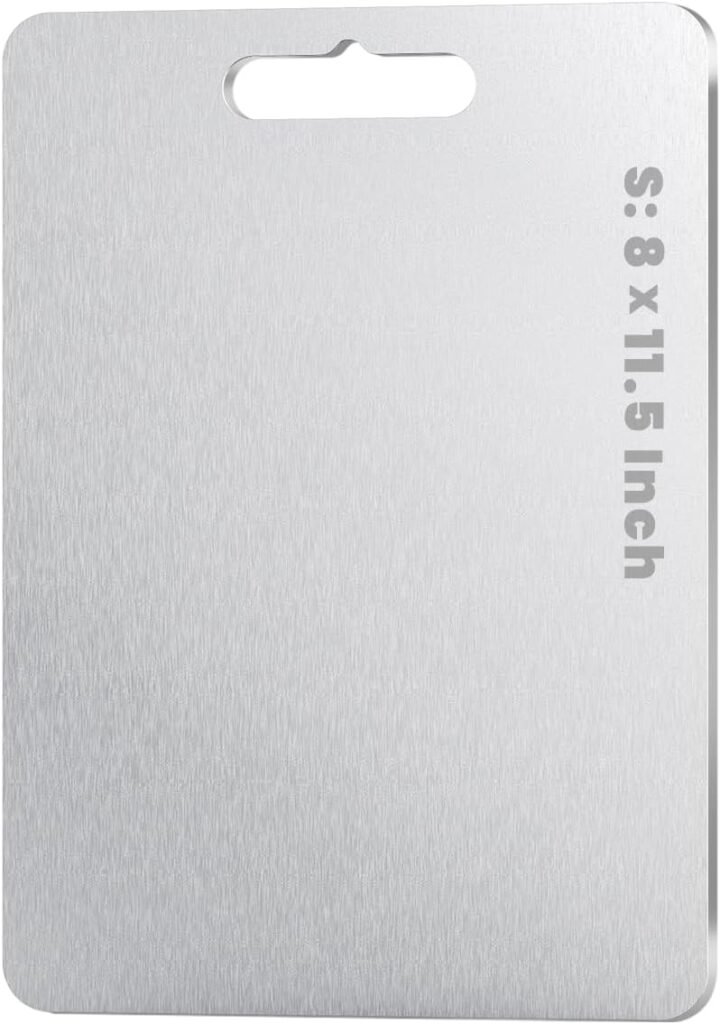
Titanium Cutting Board — Durability, Hygiene & High‑Performance Kitchen Prep
A titanium cutting board is a premium kitchen tool designed to combine strength, corrosion resistance, and long‑lasting performance. Unlike traditional wood or plastic boards, titanium offers exceptional durability and hygienic properties. While full solid titanium boards are rare due to cost and weight, many high‑end cutting boards use titanium‑infused surfaces, coatings, or titanium‑reinforced layers to enhance cutting performance and longevity. Whether you’re a professional chef or a home cook who values quality tools, a titanium cutting board stands out for performance and ease of maintenance.
This detailed guide explains what a titanium cutting board is, how it works, its benefits and limitations, features to look for, tips for care, and everyday use scenarios.
What Is a Titanium Cutting Board?
A titanium cutting board refers to a cutting surface that incorporates titanium in its construction — either as a full metal board, a titanium coating, or embedded reinforcement on a base material like wood, bamboo, or high‑grade plastic (HDPE). Titanium is known for:
- High strength‑to‑weight ratio
- Corrosion and rust resistance
- Biocompatibility and food safety
- Long service life
Some manufacturers apply a thin titanium layer on a core board to give a hard, non‑porous surface that resists scratches and wear while the core adds stability and shock absorption.
How Titanium Cutting Boards Work
Titanium cutting boards rely on the unique physical and chemical properties of titanium:
- Non‑reactive Surface: Titanium does not react with food acids, oils, or juices, helping preserve flavors and prevent discoloration.
- Hard, Scratch‑Resistant Finish: Sharp knives leave fewer grooves, reducing places where bacteria can hide and making cleaning easier.
- Corrosion Resistance: Titanium does not rust or tarnish, even with frequent washing or exposure to acidic foods.
Many boards with titanium coatings still maintain a gentler surface for knives than pure metal boards, helping preserve blade sharpness.
Key Benefits
| Benefit | Why It Matters |
|---|---|
| Durability & Longevity | Withstands heavy daily use better than wood or plastic |
| Hygienic & Non‑Porous | Resists bacteria growth and staining |
| Corrosion & Rust‑Free | Ideal for wet environments, raw proteins, and acidic foods |
| Stable Cutting Surface | Won’t warp like wood; minimal surface wear |
| Easy to Clean | Smooth surface wipes clean quickly |
| Food‑Safe Material | Titanium is biocompatible and safe for direct food contact |
Titanium vs. Other Cutting Board Materials
| Material | Durability | Knife Friendliness | Hygiene | Maintenance |
|---|---|---|---|---|
| Titanium (or coated) | Very high | Moderate‑Good | Excellent | Low |
| Wood (Maple/Bamboo) | Moderate | Excellent | Good (seal periodically) | High |
| Plastic (HDPE) | Moderate | Good | Good (cut marks can trap debris) | Medium |
| Glass/Stone | Very high | Poor (dulls knives) | Excellent | Low |
Key Takeaway: Titanium cutting boards balance durability and hygiene with a surface that is more forgiving on knives than glass or stone, and better at resisting wear and bacteria than standard plastic.
Common Uses & Everyday Scenarios
Everyday Meal Prep
Perfect for cutting vegetables, fruits, and proteins without worrying about stains or smells lingering.
Heavy Duty Chopping
The strong surface handles frequent use without deep grooves, making it good for busy kitchens.
Hygienic Food Handling
Non‑porous and corrosion‑resistant surfaces reduce bacterial buildup — especially valuable when preparing raw meat or fish.
Professional or Catering Use
Chefs and caterers benefit from durability and easy cleaning in fast‑paced environments.
Outdoor or Travel Kitchens
Titanium’s corrosion resistance makes it ideal for outdoor cooking or near grills where moisture and heat vary.
Features to Look For
When choosing a titanium cutting board (or titanium‑enhanced board), consider the following:
Surface Material
- Full Titanium: Solid metal board — extremely durable but heavier.
- Titanium Coated: Titanium layer on wood or plastic core — balance of comfort and strength.
- Titanium Infused Composite: Mixed materials for performance and knife friendliness.
Thickness & Weight
- Thicker boards offer stability and durability.
- Balanced weight ensures the board stays put during chopping.
Surface Texture
- Smooth finish: Easier to clean, less debris trapping.
- Slight texture: Provides grip for food without knife drag.
Edge Design
- Juice groove edges: Useful for meats and juicy foods.
- Flat edges: Ideal for everyday prep and easier storage.
Non‑Slip Base
Rubber feet or a textured underside help prevent the board from sliding during use.
How to Use a Titanium Cutting Board
- Place on a Stable Surface: Secure the board on a flat countertop or table.
- Use Appropriate Knives: Stainless or carbon steel knives work well; avoid using serrated edges for smooth clean cuts.
- Chop with Care: A strong surface allows confident chopping without excessive force.
- Rotate for Wear Distribution: If large, flip the board occasionally to spread wear evenly.
Cleaning and Maintenance
While titanium and titanium‑coated boards are low‑maintenance, proper care extends their lifespan:
Daily Cleaning
- Rinse with warm water and mild dish soap
- Wipe with a soft cloth or sponge
- Rinse thoroughly to remove residue
Deep Cleaning
- Use a mixture of baking soda and water to remove stubborn spots
- Avoid bleach or harsh chemicals, which can degrade finishing layers
Drying
- Always air‑dry completely or towel dry to prevent moisture build‑up around non‑metal components or adhesives
Avoid High Heat
- Most boards are food‑safe but avoid direct exposure to stovetop heat or open flame
Safety and Knife Health
Unlike glass or stone boards that dull knives quickly, titanium cutting surfaces are less abrasive, helping knives remain sharp longer. However:
- Do not use serrated knives aggressively on hard surfaces — the serrations can wear faster.
- Regularly hone and sharpen knives to maintain peak cutting performance.
Common Questions
Does a titanium board hurt knives?
A full titanium board is harder than wood or plastic but still gentler than glass or stone. Titanium‑coated or composite boards often strike the best balance between knife protection and surface durability.
Is it better than wood or plastic?
For durability and hygiene, yes — especially in busy kitchens. Wood boards offer a softer surface for knives, and plastic boards are lightweight and inexpensive, but neither matches titanium’s long‑term performance.
Can it stain or absorb odors?
No — titanium’s non‑porous surface resists stains and odors much better than wood or plastic.
Final Summary
A titanium cutting board is a durable, hygienic, and corrosion‑resistant kitchen tool that lives up to the demands of everyday meal prep, heavy‑duty chopping, and professional‑level use. Its strong surface combats bacteria, resists wear, and supports easy cleaning — all while remaining more knife‑friendly than glass or stone options.
Whether you choose a full titanium board or one with a titanium‑enhanced surface, this kitchen essential elevates your prep work by combining lasting performance with practical benefits that modern cooks appreciate.
With thoughtful maintenance and the right choice of features, a titanium cutting board becomes a long‑term investment in cleanliness, durability, and cooking comfort.
*Disclosure: As an Amazon Associate, this content may earn a commission from qualifying purchases at no additional cost to you.*