Skin Cream Herbal Moisturising Cream
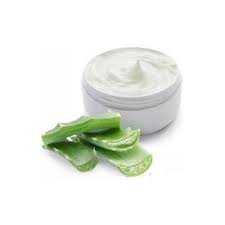
The Ultimate Guide to Herbal Moisturizing Skin Cream: A Natural Approach to Healthy, Hydrated Skin
In the world of skincare, hydration is key to maintaining a healthy and glowing complexion. Among the variety of moisturizers available, herbal moisturizing creams stand out for their ability to nourish and hydrate the skin with the power of natural ingredients. Unlike conventional moisturizers that may contain synthetic chemicals or fragrances, herbal skin creams harness the benefits of plants, herbs, and essential oils to deliver gentle, yet effective hydration for all skin types.
If you’re looking for a skincare product that not only moisturizes but also nourishes and protects your skin naturally, a herbal moisturizing cream might be just what you need. In this guide, we’ll explore the benefits, key ingredients, and what to look for when choosing the best herbal moisturizer for your skin.
What is a Herbal Moisturizing Cream?
A herbal moisturizing cream is a skincare product that blends natural herbal ingredients with hydrating components to moisturize, soothe, and protect the skin. These creams are formulated with plant-based oils, extracts, and essences that are known for their therapeutic properties. The goal of a herbal moisturizing cream is to deliver deep hydration while also providing additional skin benefits, such as anti-aging, soothing inflammation, or promoting overall skin health.
What makes herbal moisturizers unique is that they focus on using natural sources of moisture and nourishment. These products avoid harsh chemicals, parabens, and synthetic fragrances, making them an excellent choice for individuals with sensitive skin or those who prefer eco-friendly and cruelty-free options.
Key Benefits of Using Herbal Moisturizing Creams
Herbal moisturizing creams offer a range of benefits for the skin. Here are some of the key advantages:
1. Natural Hydration
Herbal moisturizers are designed to restore moisture to the skin without relying on synthetic ingredients. They typically include plant oils like jojoba oil, shea butter, almond oil, and coconut oil, which are rich in fatty acids that provide long-lasting hydration and create a protective barrier on the skin. These oils are known for their ability to lock in moisture and prevent dryness, keeping your skin soft and supple.
2. Gentle on Sensitive Skin
Because they are made from natural ingredients, herbal moisturizing creams are usually much gentler on sensitive skin compared to products with artificial fragrances or chemicals. Herbal ingredients like aloe vera, lavender, and chamomile are known for their soothing properties, which can help calm irritated skin and reduce redness or inflammation. This makes them an excellent choice for people with conditions like eczema or rosacea.
3. Anti-Aging Properties
Many herbal moisturizing creams are rich in antioxidants, which help to protect the skin from free radical damage that accelerates aging. Ingredients such as green tea extract, vitamin E, and rosehip oil can help combat the signs of aging by promoting skin regeneration and reducing the appearance of fine lines and wrinkles. These ingredients also help improve the skin’s elasticity and firmness, giving it a more youthful appearance.
4. Promotes Even Skin Tone
Certain herbal ingredients can help even out your skin tone and reduce the appearance of dark spots or hyperpigmentation. For example, licorice extract is known for its ability to lighten skin discoloration, while turmeric has natural anti-inflammatory properties that can reduce redness and blotchiness.
5. No Harmful Chemicals
One of the major reasons many people choose herbal skin creams is that they avoid harmful chemicals often found in conventional skincare products. Parabens, sulfates, phthalates, and synthetic fragrances are commonly found in mass-market moisturizers, but they can irritate the skin, disrupt hormonal balance, or cause allergic reactions. Herbal moisturizers, on the other hand, focus on plant-based, gentle ingredients that nourish the skin naturally.
6. Eco-Friendly and Cruelty-Free
Most herbal skin creams are created with sustainability in mind. They often feature eco-friendly packaging, use ethically sourced ingredients, and are not tested on animals. Choosing herbal products allows you to take better care of your skin while also supporting cruelty-free practices.
Key Ingredients to Look for in Herbal Moisturizing Creams
When choosing the best herbal moisturizing cream, it’s important to know which ingredients to look for based on your skin type and needs. Here are some key herbal ingredients that provide excellent hydration and skin benefits:
1. Aloe Vera
Aloe vera is well-known for its soothing and moisturizing properties. It’s an excellent ingredient for calming irritated skin, reducing redness, and promoting healing. Aloe vera is particularly useful for sunburned or sensitive skin.
2. Shea Butter
Rich in fatty acids and antioxidants, shea butter is deeply hydrating and provides a protective barrier to prevent moisture loss. It’s ideal for dry, flaky skin and is often used in herbal moisturizers targeted for those with rough or cracked skin.
3. Jojoba Oil
Jojoba oil is very similar to the skin’s natural oils, making it an excellent ingredient for balancing moisture. It helps to replenish dry skin while also providing a layer of protection to lock in hydration. It’s especially beneficial for oily skin as it helps regulate oil production without clogging pores.
4. Chamomile Extract
Chamomile is known for its calming properties, making it an excellent choice for sensitive or inflamed skin. It also has mild antioxidant effects and can help reduce the appearance of redness and irritation.
5. Lavender Oil
Lavender oil is a calming and soothing ingredient that not only promotes relaxation but also helps to balance the skin’s oil production. It has antimicrobial properties, which makes it great for acne-prone skin as well.
6. Green Tea Extract
Rich in antioxidants, green tea extract helps fight free radicals and protect the skin from environmental damage. It also has anti-inflammatory properties, making it useful for reducing puffiness, redness, and acne.
7. Rosehip Oil
Rosehip oil is packed with vitamins A, C, and E, which help improve skin texture and promote a radiant complexion. It’s also known for its ability to reduce the appearance of scars, stretch marks, and fine lines.
8. Coconut Oil
Coconut oil is another popular ingredient known for its hydrating and antimicrobial properties. It helps lock in moisture and provides a smooth, soft finish. It’s particularly beneficial for dry or rough skin.
9. Turmeric
Known for its anti-inflammatory and brightening effects, turmeric is often added to herbal creams to help even out skin tone and reduce blemishes. It also works to calm irritated skin and promote a natural glow.
How to Choose the Right Herbal Moisturizing Cream for Your Skin
Choosing the right herbal moisturizing cream depends on your skin type and specific needs. Here are a few tips to guide you in selecting the best product:
1. For Dry Skin:
Look for creams with rich, hydrating ingredients like shea butter, jojoba oil, coconut oil, or almond oil. These ingredients help to lock in moisture and provide long-lasting hydration.
2. For Sensitive Skin:
If you have sensitive or reactive skin, opt for creams with calming ingredients like chamomile extract, aloe vera, and lavender oil. These ingredients are gentle and can help soothe irritation without causing further sensitivity.
3. For Oily or Acne-Prone Skin:
Choose lightweight creams that are non-comedogenic (won’t clog pores) and contain ingredients like tea tree oil, green tea extract, or witch hazel. These ingredients help control oil production and prevent breakouts while still providing necessary hydration.
4. For Aging Skin:
For mature skin, look for creams that include ingredients like rosehip oil, green tea extract, and vitamin E. These ingredients help boost collagen production, protect against environmental damage, and reduce the appearance of fine lines and wrinkles.
5. For Uneven Skin Tone:
If your skin has dark spots or pigmentation issues, choose a moisturizer with licorice extract, vitamin C, or turmeric. These ingredients are known for brightening and evening out skin tone over time.
How to Use Herbal Moisturizing Creams
Using a herbal moisturizing cream is simple and should be part of your daily skincare routine. Here’s how to apply it properly:
- Cleanse your skin: Start by cleaning your face or body with a gentle cleanser to remove any dirt, oil, or makeup. Pat your skin dry with a clean towel.
- Apply the cream: Take a small amount of the herbal moisturizing cream and gently massage it into your skin in upward circular motions. Make sure to cover all areas, including your neck and décolletage.
- Allow it to absorb: Let the moisturizer absorb into your skin for a few minutes before applying makeup or other skincare products.
- Use regularly: For best results, use your herbal moisturizer twice a day—once in the morning and once before bedtime.
Conclusion
Herbal moisturizing creams offer a natural, effective solution for maintaining healthy, hydrated skin. By using plant-based ingredients like aloe vera, shea butter, and green tea, these creams provide gentle yet powerful moisture and nourishment, while avoiding the harsh chemicals often found in conventional skincare products. Whether you have dry, sensitive, oily, or aging skin, there’s an herbal moisturizer out there to suit your needs.
If you’re looking for a way to keep your skin moisturized, glowing,