Expanding Garden Trellis Panels
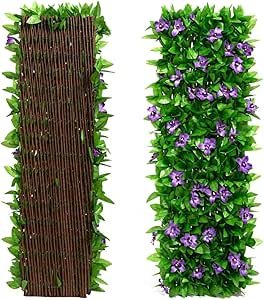
Expanding Garden Trellis Panels: A Guide to Enhancing Your Outdoor Space
Garden trellis panels are a fantastic addition to any outdoor area, offering both functionality and aesthetic appeal. Whether you’re looking to support climbing plants, create privacy, or add a decorative element to your garden, expanding garden trellis panels provide a versatile solution. These panels are not only practical but can transform your outdoor space into a beautiful, green haven.
In this comprehensive guide, we’ll explore what expanding garden trellis panels are, their benefits, and how they can enhance your garden. We’ll also discuss the different types of trellis panels available, how to install them, and some creative ways to incorporate them into your landscaping.
What Are Expanding Garden Trellis Panels?
An expanding garden trellis panel is a flexible, adjustable structure designed to provide support for climbing plants like vines, roses, and ivy. Unlike traditional trellis panels, expanding trellises are designed to be adjustable, allowing you to customize their size according to the space you need to cover. These panels are typically made from wood, metal, or plastic, and they feature a lattice or grid design that plants can easily grow through.
Expanding garden trellis panels are particularly useful for growing plants that need support as they climb, and they can be expanded or contracted to fit the dimensions of your garden or patio. This adjustability makes them a convenient option for homeowners with limited space or those who want to create unique, customized garden features.
Key Benefits of Expanding Garden Trellis Panels
1. Space Efficiency
Expanding garden trellis panels are perfect for maximizing the use of limited outdoor space. Their adjustable design allows you to expand or shrink the panels depending on the area you need to cover, making them ideal for small gardens, balconies, patios, and even urban spaces. By using vertical space, these trellises enable you to grow climbing plants without taking up valuable floor space.
2. Versatile Design
These trellises come in a variety of materials, shapes, and sizes, allowing you to choose one that complements your garden’s aesthetic. Whether you prefer a traditional wooden trellis, a sleek metal design, or a more modern, minimalist look, expanding trellis panels can be adapted to suit your personal style and the overall look of your garden.
- Wooden trellises: Perfect for creating a rustic, traditional look.
- Metal trellises: Ideal for a more modern or industrial garden design.
- Plastic trellises: Lightweight and durable, great for more contemporary spaces.
3. Plant Support
One of the main functions of garden trellis panels is to support climbing plants. Expanding trellises provide a sturdy structure for plants like roses, peas, cucumbers, ivy, and clematis to grow on. As these plants mature, the trellis helps them grow upwards, which prevents them from sprawling on the ground and keeps your garden tidy. This vertical growth also promotes healthier plants by ensuring better air circulation and sunlight exposure.
4. Privacy and Screening
Expanding trellis panels can be used to create natural barriers or privacy screens in your garden. They are perfect for dividing sections of your garden or creating a secluded spot for relaxation. The plants you grow on the trellis can also add an extra layer of privacy by acting as a living fence. If you live in a densely populated area or have neighbors close by, a trellis with climbing plants can provide a peaceful, private retreat.
5. Aesthetic Appeal
An expanding garden trellis can instantly add charm and elegance to your garden. Whether you’re growing flowering vines, vegetables, or ornamental plants, a trellis adds texture and dimension to your landscape. Climbing plants like wisteria, morning glories, and jasmine can create a fragrant, vibrant display, enhancing your outdoor space with color and life.
6. Easy Installation
Most expanding garden trellis panels are easy to install and can be set up in just a few steps. Many trellises come with pre-drilled holes or mounting hardware for easy assembly and attachment to walls, fences, or posts. Their adjustability means you don’t have to worry about precise measurements, making them a hassle-free addition to your garden.
Types of Expanding Garden Trellis Panels
Expanding garden trellis panels come in various materials and designs. Here are the most popular options:
1. Wooden Expanding Trellis Panels
Wooden trellises are a classic choice that adds a natural, rustic touch to your garden. These panels are typically made from pressure-treated wood, which helps them resist weathering and rot. Wood is also a versatile material that can be painted or stained to match your garden’s decor.
- Best for: Traditional gardens, rustic outdoor spaces, and areas where you want a natural look.
- Maintenance: Wooden trellises may require occasional treatment to maintain their integrity and appearance, especially if exposed to the elements.
2. Metal Expanding Trellis Panels
Metal trellises are durable and long-lasting, providing a more modern, industrial look. These panels are often made from materials like wrought iron, steel, or aluminum, which are rust-resistant and able to withstand outdoor conditions. Metal trellises can be intricately designed, adding an artistic element to your garden.
- Best for: Contemporary or industrial gardens, urban spaces, and those looking for low-maintenance trellises.
- Maintenance: Metal trellises generally require less maintenance than wooden ones, but you may need to clean them occasionally to remove dirt and rust buildup.
3. Plastic Expanding Trellis Panels
Plastic trellises are lightweight, durable, and resistant to weathering, making them an excellent option for homeowners seeking a low-maintenance solution. They are also easy to clean and come in a range of colors and styles to suit various garden aesthetics.
- Best for: Contemporary or minimalist gardens, as well as small spaces like balconies or patios.
- Maintenance: Plastic trellises are virtually maintenance-free, though they may fade over time if exposed to prolonged direct sunlight.
4. Expandable Trellis Screens
Some expanding trellises are designed as screens, offering more coverage and the ability to create a larger privacy area. These screens are often made from a combination of materials like wood or metal and can be used as standalone features in the garden or attached to existing fences or walls.
- Best for: Creating privacy or adding a decorative backdrop to your garden.
- Maintenance: Similar to other materials, the maintenance needs depend on the composition of the trellis (e.g., wood may need staining, while metal might need rust protection).
How to Install Expanding Garden Trellis Panels
Installing an expanding garden trellis panel is generally a straightforward process. Here’s a step-by-step guide to help you set up your trellis:
- Choose the Location: Decide where you want to install the trellis. If you’re placing it against a wall or fence, make sure there’s enough space for the plants to grow without obstruction. If you’re using it as a privacy screen, consider the area you want to block off.
- Measure the Area: Measure the space where you want to install the trellis to ensure that it will fit when expanded. Expanding trellis panels are adjustable, but it’s still important to know the dimensions before you begin.
- Secure the Trellis: If your trellis is a wall-mounted model, use screws or nails to attach it securely to the surface. For freestanding trellises, you may need to use posts or stakes to keep the structure in place. Make sure the trellis is stable and won’t tip over once plants are growing on it.
- Expand the Trellis: Once your trellis is securely in place, expand it to the desired width. If it’s a retractable design, simply pull the sides apart and lock them into place. Ensure that the trellis is level before moving on to the next step.
- Plant Climbing Plants: Choose climbing plants that are suited to your garden’s environment. Plants like roses, clematis, honeysuckle, peas, and beans work well with trellises. Plant them at the base of the trellis and train them to grow upward as they mature.
- Maintenance: Regularly check the trellis and plants for any damage or signs of wear. Prune plants as needed and ensure they are securely attached to the trellis to encourage healthy growth.
Creative Uses for Expanding Garden Trellis Panels
- Vertical Herb Garden: Use an expanding trellis to create a vertical herb garden on your patio or balcony. Plants like mint, basil, and thyme can grow beautifully on a trellis while saving space.
- Garden Focal Point: Use trellises to create a stunning focal point in your garden. Train flowering vines like wisteria or morning glories to grow up the trellis for a vibrant, colorful display.
- Privacy Wall: If you need privacy from neighbors or street traffic, expand a trellis along the perimeter of your yard and grow fast-climbing plants like ivy or clematis to create a living privacy screen.
- Decorative Dividers: Use expanding trellis panels to divide different sections of your garden or create pathways.
Conclusion
Expanding garden trellis panels are a versatile and practical solution for enhancing your outdoor space. Whether you’re looking to support climbing plants, create privacy, or add a decorative element to your garden, an expanding trellis can help you achieve your goals. With the ability to adjust their size and fit, these