Bluetooth Earbuds Open Ear Sports Headphones
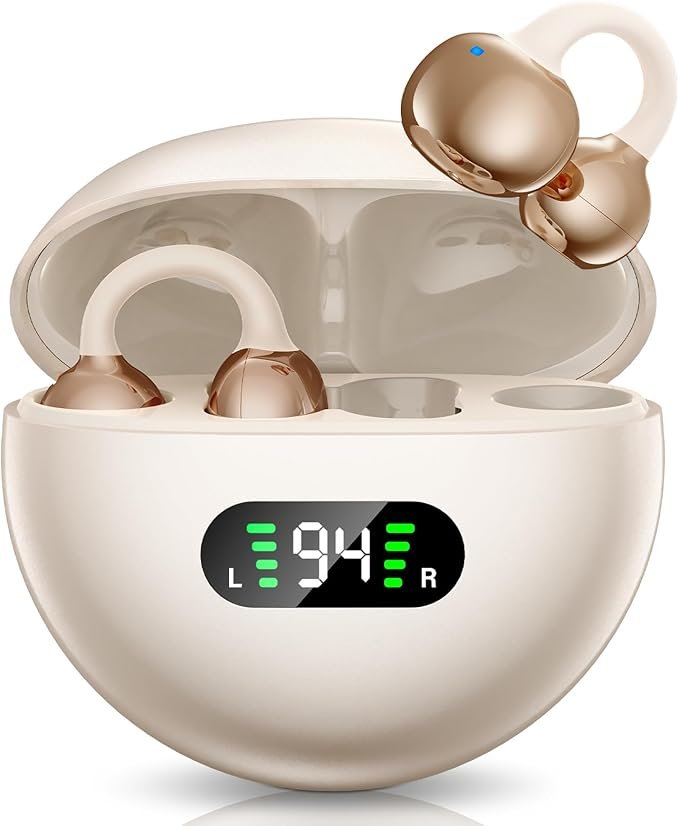
Bluetooth Earbuds and Open-Ear Sports Headphones: The Ultimate Guide to Choosing the Right Pair for You
When it comes to listening to music, taking calls, or enjoying podcasts during physical activities, choosing the right headphones is crucial. Whether you prefer the convenience of Bluetooth earbuds or the safety and comfort of open-ear sports headphones, there are several options to consider depending on your needs. In this guide, we’ll take a close look at both types of headphones, explore their benefits, and help you decide which one is best for your active lifestyle.
What Are Bluetooth Earbuds?
Bluetooth earbuds are small, wireless headphones that connect to your device (such as a smartphone, tablet, or laptop) via Bluetooth technology. They have no cords or wires, making them incredibly convenient for people who are always on the go. They are available in various designs, from traditional in-ear models to more sophisticated true wireless earbuds with advanced features like noise cancellation, water resistance, and touch controls.
Key Features of Bluetooth Earbuds:
- Wireless Convenience: Bluetooth earbuds are completely wireless, offering a cable-free experience. This makes them perfect for running, working out, or commuting.
- Comfort: Most Bluetooth earbuds are designed to be lightweight and come with customizable ear tips or silicone fins to ensure a secure and comfortable fit.
- Sound Quality: While they may not provide the same audio fidelity as larger over-ear headphones, many high-quality Bluetooth earbuds offer excellent sound with crisp highs, clear mids, and deep bass.
- Battery Life: Modern Bluetooth earbuds can last anywhere from 4 to 12 hours on a single charge, with the included charging case providing additional charges.
- Portability: Their small size and included charging cases make them easy to carry around in a pocket, gym bag, or purse.
- Touch Controls: Many Bluetooth earbuds come with built-in touch or physical buttons for controlling volume, music playback, and calls without needing to interact with your device.
What Are Open-Ear Sports Headphones?
Open-ear sports headphones are designed for active individuals who need to stay aware of their surroundings while enjoying music or other audio. These headphones are built with an open-ear design, meaning they don’t cover or block the ears entirely. Instead, they sit near the ear or on the cheekbones, using bone conduction technology or drivers that transmit sound through the air without obstructing external sounds.
Key Features of Open-Ear Sports Headphones:
- Bone Conduction Technology: Many open-ear headphones use bone conduction technology, where sound is transmitted through vibrations on the bones of your skull to your inner ear. This leaves your ears open to hear surrounding sounds, like traffic or other people, making them ideal for outdoor activities.
- Safety: The open-ear design is perfect for activities like running, cycling, or hiking where it’s essential to remain aware of your surroundings for safety reasons.
- Comfort: Open-ear headphones are often more comfortable than traditional in-ear models since they don’t insert into the ear canal. This makes them suitable for long periods of use without discomfort.
- Sweat and Water Resistance: Many open-ear headphones are designed to withstand sweat and water. They are ideal for running in the rain, biking, or intense workouts at the gym.
- Sound Quality: Open-ear headphones tend to have a more limited sound quality compared to traditional in-ear headphones. However, higher-end models offer solid sound with clear audio, and some even provide bass enhancements for a better listening experience.
- Hands-Free Control: Some models come with voice assistant integration, allowing you to control music or take calls hands-free, which is particularly useful during workouts or outdoor activities.
Bluetooth Earbuds vs. Open-Ear Sports Headphones: Which Is Right for You?
Choosing between Bluetooth earbuds and open-ear sports headphones depends on how and where you plan to use them, as well as your specific needs. Below, we compare the two types of headphones based on various factors to help you make an informed decision:
1. Sound Quality
- Bluetooth Earbuds: These typically provide better sound quality since they use conventional drivers that sit in or around your ear canal. This allows for richer sound, more detailed audio, and deeper bass. High-end Bluetooth earbuds also feature noise isolation or active noise cancellation to block external sounds.
- Open-Ear Sports Headphones: While they allow you to hear ambient noise, the sound quality is generally not as good as Bluetooth earbuds. The sound tends to be more focused on vocals and mids, with less depth in bass. Bone conduction models, in particular, may not offer the same audio clarity as traditional earbuds.
2. Awareness of Surroundings
- Bluetooth Earbuds: Since these earbuds seal the ear canal, they block out external noise, which can be a problem in situations where you need to be aware of your surroundings (e.g., crossing the street or cycling in traffic).
- Open-Ear Sports Headphones: These headphones are designed to maintain situational awareness, which is a significant benefit for outdoor activities like jogging, cycling, or hiking. You can listen to music while still hearing passing cars, people talking, or other environmental sounds.
3. Comfort for Extended Wear
- Bluetooth Earbuds: While most earbuds are designed to be comfortable for short to medium sessions, they may cause discomfort if worn for long periods, especially if they don’t fit well or are too large. Some people also find in-ear models uncomfortable over time.
- Open-Ear Sports Headphones: These are often considered more comfortable for extended use, as they don’t sit inside the ear canal. Since they don’t create pressure inside the ear, they can be worn for hours without discomfort, making them ideal for long workouts or outdoor activities.
4. Durability and Sweat Resistance
- Bluetooth Earbuds: Most Bluetooth earbuds are designed to be sweat-proof and water-resistant, but they are not all created equal. Check the IP rating to ensure that they can handle sweat or rain if you plan on using them during intense physical activity.
- Open-Ear Sports Headphones: These headphones are often designed with sweat-proof and waterproof features, making them ideal for outdoor sports, running, and intense workouts. Many models have an IPX7 rating, meaning they can withstand immersion in water for short periods.
5. Battery Life
- Bluetooth Earbuds: On average, Bluetooth earbuds last 4 to 12 hours on a full charge. Some premium models may last even longer, and their compact charging cases can offer multiple recharges.
- Open-Ear Sports Headphones: Many open-ear models also feature long battery life, often ranging from 6 to 12 hours depending on the model. Since these headphones typically feature bone conduction technology, their battery usage tends to be efficient.
6. Best Use Cases
- Bluetooth Earbuds: Ideal for those who prioritize audio quality and need a compact, discreet solution for listening to music, taking calls, or enjoying podcasts. They’re also great for activities where environmental awareness is less of a concern, like in the gym or when walking on quieter trails.
- Open-Ear Sports Headphones: Best for active individuals who need to stay aware of their surroundings while listening to audio. If you’re running, biking, or engaging in other outdoor sports where situational awareness is critical, open-ear headphones are a safer and more comfortable option.
Popular Models to Consider
Bluetooth Earbuds:
- Apple AirPods Pro (2nd Gen) – Known for their superior sound quality, excellent noise cancellation, and comfortable fit, these are ideal for those looking for premium audio performance.
- Jabra Elite 75t – Great for both sound quality and sweat resistance, these earbuds are perfect for fitness enthusiasts.
- Sony WF-1000XM4 – Offers exceptional noise cancellation and high-quality sound for audiophiles.
Open-Ear Sports Headphones:
- Aftershokz Aeropex – A top-rated bone conduction headset that delivers clear sound while keeping your ears open for environmental awareness.
- Shokz OpenRun Pro – Lightweight, sweat-resistant, and ideal for long-distance runners, these headphones offer excellent sound quality for an open-ear design.
- Sony NW-WS623 – Waterproof, durable, and perfect for outdoor sports, this model offers bone conduction technology with a comfortable fit.
Conclusion: Which One is Right for You?
- Choose Bluetooth Earbuds if you value superior sound quality, noise isolation, and a compact, comfortable design for indoor use, workouts, or casual listening.
- Opt for Open-Ear Sports Headphones if you need to stay aware of your surroundings during outdoor activities and prioritize comfort, safety, and durability during long workouts or sports.
Ultimately, the choice between Bluetooth earbuds and open-ear sports headphones depends on your lifestyle and specific needs. Both types have distinct advantages, so consider how and where you plan to use them, and you’ll be able to find the perfect pair for your needs.