Combination Smoke and CO Detector
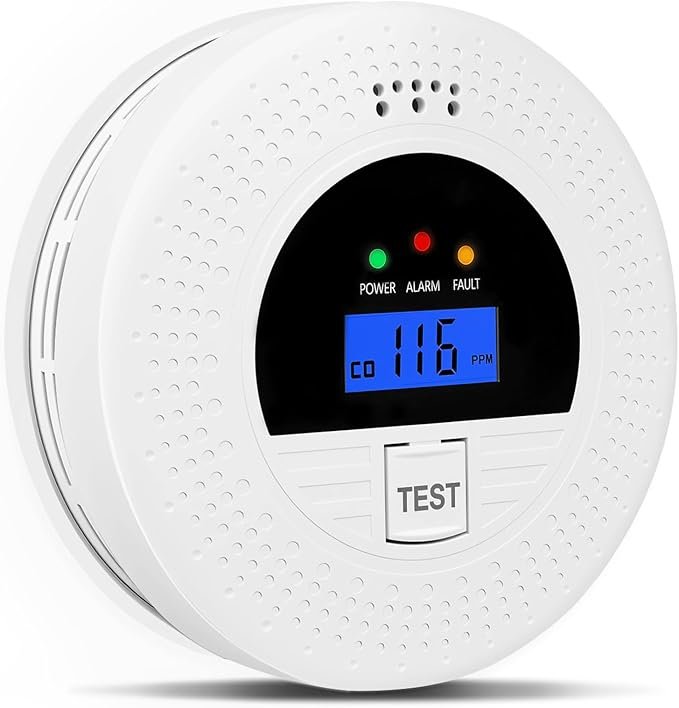
Combination Smoke and CO Detector with Battery Operated: Your Essential Guide to Home Safety
When it comes to protecting your home and family, ensuring that your home is equipped with the right safety devices is essential. A combination smoke and CO detector with battery-operated capabilities is one of the most effective ways to safeguard your home against two potentially deadly hazards: fire and carbon monoxide poisoning.
In this guide, we’ll explore the importance of having a dual-sensor smoke and CO detector, how it works, its benefits, and what to look for when choosing the best one for your home.
What is a Combination Smoke and CO Detector?
A combination smoke and carbon monoxide (CO) detector is a single device designed to detect both smoke from fire and carbon monoxide—two of the most common and dangerous threats in the home. While traditional smoke detectors only monitor for signs of fire, a combination unit is equipped with both smoke detection sensors and a CO sensor, providing comprehensive protection for your home.
These detectors are typically battery-operated, ensuring that they continue to function even during power outages—an important feature, as carbon monoxide poisoning and house fires can occur at any time, regardless of electrical power availability.
Why Do You Need a Combination Smoke and CO Detector?
Both smoke and carbon monoxide are silent killers, and having a reliable detection system can mean the difference between life and death. Here are the key reasons why you should have a combination smoke and CO detector in your home:
1. Protect Your Family from Fire Hazards
- Smoke detectors are designed to alert you to the presence of smoke in your home, a key sign of fire. Early detection allows you and your family to escape the danger zone before it’s too late.
- House fires can spread quickly, and having a smoke alarm provides valuable minutes to evacuate the house.
2. Prevent Carbon Monoxide Poisoning
- Carbon monoxide (CO) is a colorless, odorless gas that is produced by burning fuels like natural gas, wood, and propane. It can build up inside your home if appliances like stoves, fireplaces, or furnaces malfunction.
- CO poisoning can lead to dizziness, headaches, confusion, unconsciousness, and even death. A combination smoke and CO detector will alert you to high levels of this toxic gas, allowing you to take action and prevent harm.
3. Convenience and Space Saving
- Instead of installing separate smoke and carbon monoxide detectors, a combination unit offers dual protection in a single device. This is particularly useful for homeowners with limited space or those who prefer a more streamlined safety setup.
- A single unit means fewer devices on your walls or ceilings, which can be more aesthetically pleasing and less cluttered.
4. Battery-Powered Convenience
- A battery-operated combination smoke and CO detector offers the flexibility of installation without needing a power source. This makes it ideal for places like bedrooms, hallways, or basements that may not be close to electrical outlets.
- Battery-powered models are also more reliable in case of power outages—an important feature because both fire and carbon monoxide risks don’t stop during a blackout.
How Does a Combination Smoke and CO Detector Work?
A combination smoke and CO detector typically includes two distinct sensors: one for detecting smoke and the other for detecting carbon monoxide.
1. Smoke Detection
- Most smoke detectors use ionization or photoelectric technology to detect smoke particles in the air. Here’s how each works:
- Ionization: This type of smoke detector uses a small amount of radioactive material to ionize the air inside the unit. When smoke enters the chamber, it disrupts the ionization process, triggering the alarm.
- Photoelectric: These detectors use a light beam and a sensor. When smoke particles scatter the light, the sensor detects it and activates the alarm.
2. Carbon Monoxide Detection
- Carbon monoxide detectors work using electrochemical sensors that can detect the presence of CO in the air. These sensors measure the amount of CO gas in the air and trigger the alarm if the levels exceed a certain threshold. Many detectors also have a time-weighted algorithm that factors in the length of exposure and the concentration of CO.
3. Alarm and Notification
- When either smoke or CO is detected, the combination unit will emit a loud alarm, typically a loud, high-pitched sound. The alarm will either be a continuous siren for smoke or a pulsing tone for carbon monoxide, depending on the model. This is meant to alert you and your family to immediately take action.
- Some advanced models may also feature a voice alert that tells you whether the danger is from smoke or carbon monoxide, offering clearer instructions in emergency situations.
Benefits of a Battery-Operated Combination Smoke and CO Detector
While there are many types of smoke and CO detectors, a battery-operated combination unit offers several important advantages:
1. No Wiring Required
- Since these detectors operate on batteries, they don’t need to be wired into your home’s electrical system. This makes them ideal for renters, people in older homes, or those who don’t want to go through the hassle of installation.
2. Reliability During Power Outages
- During a power failure, a traditional hardwired smoke detector will not work, leaving your home unprotected. Battery-powered models continue to function, giving you peace of mind even during electrical outages.
3. Easy Installation and Flexibility
- These detectors are generally easier to install, as they don’t require electrical expertise or a professional to mount them. You can install them yourself in minutes, and if you ever need to relocate, you can simply move the unit without needing to rewire anything.
- They are also suitable for areas that aren’t close to electrical outlets, such as basements, attics, or garages.
4. Cost-Effective
- Battery-operated smoke and CO detectors tend to be more affordable than their hardwired counterparts. Additionally, there is no need for electrical installation, which can add to the overall cost.
5. Continuous Protection
- Many modern battery-operated detectors come with a long-life battery that can last up to 10 years, ensuring long-term reliability. However, regular maintenance (such as changing the battery when necessary) is important for ensuring that the unit functions correctly.
What to Look for in a Combination Smoke and CO Detector
When selecting a battery-operated combination smoke and CO detector, here are several key features to consider:
1. Battery Life and Power
- Look for a model with long-lasting batteries (preferably 10-year battery life). Some detectors come with a sealed lithium battery that doesn’t need to be replaced for the life of the unit.
- Consider detectors that feature low-battery alerts to notify you when it’s time to change the battery.
2. UL Certification
- Make sure the device is UL-certified (Underwriters Laboratories), ensuring it meets rigorous safety standards for both smoke and carbon monoxide detection.
3. Alarm Sound
- Check for the loudness of the alarm. A standard smoke or CO detector should emit a sound at least 85 decibels, which is loud enough to be heard throughout the home, even while sleeping.
4. Test and Silence Features
- Look for a detector with an easy test button so you can regularly check the functionality of the unit.
- A silence feature is also useful for quieting the alarm if it goes off accidentally (such as when cooking), without disabling the unit entirely.
5. Carbon Monoxide Sensitivity
- Ensure that the CO sensor has a reliable sensitivity range. The National Fire Protection Association (NFPA) recommends CO detectors with the ability to alert when CO levels reach 30 ppm (parts per million) for a short time and when higher concentrations are detected for longer periods.
6. Voice Alerts
- Some combination units feature voice alerts that provide clearer instructions, such as “Smoke detected in the kitchen” or “Carbon monoxide detected.” These voice alerts can help differentiate between the two hazards in an emergency situation.
Conclusion: Why a Combination Smoke and CO Detector is Essential for Home Safety
A combination smoke and CO detector with battery operation is a simple yet highly effective way to ensure the safety of your home and loved ones. These units offer dual protection against the dangers of fire and carbon monoxide poisoning, both of which can be deadly if undetected.
By investing in a high-quality, reliable detector, you not only protect your home from potential hazards but also gain the peace of mind that comes with knowing your family is safer, even during power outages.
Whether you’re upgrading your home’s safety system or installing one for the first time, a battery-operated combination smoke and CO detector is an essential part of your home’s safety infrastructure.