All-in-One Plug in Smoke and Carbon
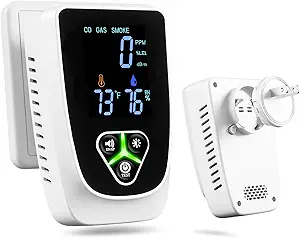
All-in-One Plug-In Smoke and Carbon Monoxide Detector: A Complete Guide for Home Safety
Ensuring the safety of your home and family is a top priority. One of the best ways to do this is by installing smoke and carbon monoxide detectors. These devices can alert you to life-threatening situations before they become a serious hazard. An All-in-One Plug-In Smoke and Carbon Monoxide Detector is a convenient and effective solution for keeping your home protected from both fire and carbon monoxide (CO) threats.
In this guide, we’ll dive into what makes an all-in-one plug-in smoke and carbon monoxide detector a smart choice for your home, the benefits, features to consider, and how to select the right one for your needs.
What is an All-in-One Plug-In Smoke and Carbon Monoxide Detector?
An All-in-One Plug-In Smoke and Carbon Monoxide Detector is a dual-purpose device that simultaneously detects both smoke (from fires) and carbon monoxide (CO) gas, alerting you to both hazards in one unit. These devices plug directly into a standard electrical outlet, eliminating the need for batteries, which can sometimes be forgotten or improperly installed.
These detectors combine two key functionalities:
- Smoke Detection: Detects smoke in the air, typically from a fire or overheating electrical appliances.
- Carbon Monoxide Detection: Detects elevated levels of carbon monoxide, a colorless, odorless gas produced by burning fuel, which can be lethal in high concentrations.
Having both smoke and carbon monoxide detection in one device offers peace of mind, ensuring that you are protected from two critical dangers in your home.
Why Choose an All-in-One Plug-In Smoke and Carbon Monoxide Detector?
1. Dual Protection in One Device
- The combination of smoke and CO detection in one unit simplifies home safety. Rather than needing two separate detectors, you only need one device, saving you both space and money.
2. Plug-In Convenience
- An all-in-one detector plugs directly into a wall socket, so you don’t have to worry about replacing batteries. This also makes installation incredibly easy. No wiring or professional installation is required—just plug it in, and you’re good to go.
3. Battery-Free Operation
- One of the main advantages of a plug-in model is that it eliminates the hassle and risk of dead batteries. These detectors run on your home’s electricity, ensuring continuous protection, especially during critical moments.
4. Peace of Mind
- Carbon monoxide is often referred to as the “silent killer” because it is invisible, tasteless, and odorless. A combined detector ensures you’re alerted to carbon monoxide issues immediately, before the gas reaches dangerous levels.
- Smoke detectors are crucial for alerting you to fires, especially during the night when you may not notice signs of a fire in your home.
5. Easy to Use
- These devices are user-friendly and simple to install, making them ideal for homeowners who want an effective solution with minimal effort. Some models even feature digital displays or voice alerts for added convenience.
Features to Look for in an All-in-One Plug-In Smoke and Carbon Monoxide Detector
When selecting an all-in-one smoke and CO detector, it’s essential to consider various features that will affect its reliability, ease of use, and overall performance:
1. UL Certification
- Ensure that the device is UL (Underwriters Laboratories) certified, which means it meets safety standards for both smoke and carbon monoxide detection. UL certification is a critical indicator of the detector’s effectiveness and reliability.
2. Carbon Monoxide Detection Range
- Check the CO detection range of the device. Many models detect carbon monoxide levels as low as 30 parts per million (ppm), but the recommended levels for safety are 70 ppm or higher. A reliable detector will alert you if the CO level reaches dangerous thresholds.
3. Smoke Detection Technology
- Smoke detectors typically use either ionization or photoelectric technology:
- Ionization Smoke Detectors: These are more sensitive to smaller particles of smoke, making them ideal for detecting fast-burning fires.
- Photoelectric Smoke Detectors: These are better for detecting smoldering fires that produce larger smoke particles.
Some models combine both technologies to offer comprehensive smoke detection capabilities.
4. Audible Alarm and Visual Alerts
- Choose a model with an audible alarm loud enough to be heard throughout your home, especially while you’re asleep. Look for a decibel rating of at least 85 decibels. Additionally, some detectors have visual indicators (flashing lights) that signal when smoke or CO is detected, which can be helpful in noisy environments or for those with hearing impairments.
5. Digital Display
- Some detectors feature a digital display that shows real-time CO levels or battery status, so you can keep track of the environment around you and know if the air quality changes. This can be especially helpful for CO monitoring.
6. Test and Silence Buttons
- A test button lets you quickly check if the detector is working properly. A silence button is useful for stopping false alarms (like when cooking) without disabling the unit.
7. CO Sensor Sensitivity
- Different models may have sensitivity levels for detecting carbon monoxide. Higher sensitivity ensures quicker alerts when CO concentrations rise above safe levels.
8. LED Indicators
- Some detectors come with LED indicators that show the status of the device, such as whether it is operating normally or needs maintenance.
How to Install and Use an All-in-One Plug-In Smoke and Carbon Monoxide Detector
1. Installation
- Plug the device into a standard 120V wall socket. Choose a location that is near sleeping areas, preferably within earshot, so that everyone in your household can hear the alarm in case of danger.
- Avoid placing the detector near windows, air vents, or in areas where airflow could interfere with accurate smoke or CO detection.
2. Test the Device
- After plugging it in, test the device by pressing the test button. This ensures that both the smoke and CO sensors are working properly.
- Some models may require you to perform a periodic test to ensure continuous operation, so follow the manufacturer’s recommendations for testing intervals.
3. Monitor CO Levels
- If your device has a digital display, keep an eye on the CO levels shown. The alarm should trigger when CO levels reach 70-100 ppm. If the levels stay elevated for an extended period, it’s important to leave the house and call emergency services immediately.
4. Responding to an Alarm
- If the alarm goes off, immediately evacuate the home and call emergency services if it’s a CO alarm.
- In case of a smoke alarm, follow fire evacuation procedures to get to a safe place, and don’t re-enter the building until authorities confirm that it’s safe to do so.
Best All-in-One Plug-In Smoke and Carbon Monoxide Detectors
- Kidde 10-year Worry-Free Plug-In Smoke & Carbon Monoxide Detector
- Features: Voice alarms, digital display, battery backup, and easy installation.
- This model offers a reliable alarm system for both smoke and CO and provides voice alerts to specify the type of hazard.
- First Alert Onelink Safe & Sound
- Features: Smart home compatibility, Alexa/Google Assistant integration, and voice alerts.
- Great for tech-savvy homes, this model can connect to your smart home system and notify you remotely if something is wrong.
- First Alert PRC700 Plug-In Smoke and Carbon Monoxide Detector
- Features: Digital display, easy-to-read CO levels, and reliable sensors for smoke and carbon monoxide.
- A well-rounded option, perfect for families looking for both safety and convenience.
- Kidde i12010S Smoke & Carbon Monoxide Detector
- Features: Plug-in installation, interconnectivity (can be linked with other alarms), and battery backup.
- Ideal for those who need multiple alarms in their home, with interconnectivity allowing alarms to go off in all devices when one is triggered.
Conclusion
An All-in-One Plug-In Smoke and Carbon Monoxide Detector is an essential safety device for any home. It provides dual protection against both fires and the deadly risks of carbon monoxide, ensuring peace of mind for you and your family. When choosing the right model, consider the features, installation ease, alarm volume, and monitoring capabilities to find a detector that suits your home’s needs. By investing in this simple yet effective device, you’re taking an important step in protecting your loved ones from both smoke and CO dangers.