Fruit fly trap
Fruit Fly Trap: The Best Way to Get Rid of These Pesky Pests
If you’ve ever left fruit on the kitchen counter for a bit too long, you’ve probably encountered fruit flies. These tiny pests seem to appear out of nowhere, swarming around overripe fruit or garbage, making your kitchen feel less than hygienic. Luckily, there’s a simple solution: fruit fly traps. These traps are an effective, easy, and natural way to deal with fruit flies without resorting to harsh chemicals. In this guide, we’ll explain how fruit fly traps work, why they’re important, and how to make or buy the best ones for your home.
What are Fruit Flies?
Fruit flies, also known as Drosophila melanogaster, are small flies that are attracted to overripe or fermenting fruit, vegetables, and even sugary liquids. They’re typically about 1/8 inch long with red eyes, and they multiply quickly, making them difficult to control once they infest an area. Their life cycle is short—about 8 to 10 days—so a small problem can turn into a big one fast.
These flies are not only annoying but can also be a sanitation issue, as they can contaminate food. Fruit fly traps help limit their numbers by luring them in and trapping them before they spread further.
Why Use a Fruit Fly Trap?
Fruit fly traps are a safe and effective way to control an infestation in your home. Here are some key reasons why you should use a fruit fly trap:
1. Natural Solution
Fruit fly traps often use natural attractants (like vinegar or fruit) that lure the flies in without the need for toxic chemicals. This is great for households with children, pets, or anyone concerned about chemical exposure.
2. Cost-Effective
You don’t have to spend a lot of money on chemical solutions or pest control services. Most homemade traps are made from basic kitchen ingredients, while store-bought traps are inexpensive and last a long time.
3. Convenient
Once set up, fruit fly traps require little maintenance. You just need to replace the bait every few days, and the traps do all the work. No need for constant spraying or cleaning.
4. Prevents Further Infestation
By trapping and reducing the number of fruit flies, you help to stop an infestation from spiraling out of control. Fruit fly traps act as both a treatment and a prevention measure.
How Do Fruit Fly Traps Work?
Fruit fly traps attract flies using scents or bait that they find irresistible, such as vinegar, wine, or fruit. Once the flies are drawn in, they typically find it hard to escape due to the design of the trap. Many traps utilize a funnel or sticky surface to capture the flies, while others rely on drowning them in the bait solution.
Here are the main types of fruit fly traps:
1. Vinegar Traps
These traps use apple cider vinegar (ACV) or white vinegar to lure fruit flies in. Flies are drawn to the smell of fermenting vinegar, and once they enter the container, they often can’t find their way out.
2. Wine Traps
Similar to vinegar, fruit flies are attracted to the scent of fermented wine. Leftover wine or even a few drops in the bottom of a glass can act as an effective attractant.
3. Sticky Traps
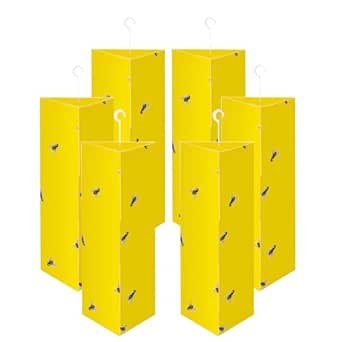
Some fruit fly traps use sticky surfaces to trap flies. These are often colored yellow, which is particularly attractive to fruit flies. Once the flies land, they get stuck to the surface.
4. Funnel Traps
A funnel trap typically involves a jar with a funnel or cone placed over the top. The flies can enter through the narrow opening but struggle to escape. The funnel trap is usually combined with a sweet liquid, such as vinegar, to attract the flies.
5. Electric Traps
Some fruit fly traps are electronic. These traps often use UV light to attract the flies, and once they come close, they’re zapped or trapped. While more expensive, electric traps are highly effective for larger infestations.
How to Make Your Own Fruit Fly Trap
If you’re looking for a simple DIY solution, making a homemade fruit fly trap is easy and effective. Here’s how to do it:
Apple Cider Vinegar Trap
Ingredients:
- A small jar or bowl
- Apple cider vinegar (ACV)
- A drop of dish soap (optional)
- Plastic wrap or paper
Steps:
- Fill the Jar: Pour about an inch or two of apple cider vinegar into the jar. Fruit flies love the smell of vinegar, especially ACV, as it mimics the smell of fermenting fruit.
- Add Dish Soap: Add a drop or two of dish soap to the vinegar. The soap breaks the surface tension of the liquid, causing the fruit flies to sink when they land.
- Cover with Plastic Wrap: If you don’t have a funnel, cover the top of the jar with plastic wrap. Poke a few small holes in the wrap using a toothpick or fork. The flies can enter through the holes but can’t easily escape once they’re inside.
- Place Near Infestation: Set the trap near the fruit flies’ favorite hangout spots (like near the fruit bowl, garbage, or drains). Replace the vinegar every few days to maintain effectiveness.
Wine Trap
If you have some leftover wine, it can be just as effective as vinegar for attracting fruit flies.
Ingredients:
- A glass of leftover wine
- A piece of plastic wrap
- A toothpick
Steps:
- Pour Wine: Pour a small amount of wine into a glass or jar (about 1–2 inches).
- Cover with Plastic Wrap: Stretch a piece of plastic wrap over the top of the container, making sure it’s tightly sealed.
- Poke Holes: Use a toothpick to poke small holes in the plastic wrap. The flies are attracted to the smell of the fermented wine and will enter through the holes, but they’ll have trouble escaping.
Funnel Trap
This is a more elaborate DIY option but is also highly effective.
Ingredients:
- A funnel (or a piece of paper rolled into a cone shape)
- A jar or cup
- Apple cider vinegar or wine
Steps:
- Set Up the Jar: Pour vinegar or wine into the jar, filling it halfway.
- Create the Funnel: If you don’t have a funnel, you can make one by rolling a piece of paper into a cone shape. Ensure the point of the funnel is small enough that flies can enter, but the hole is too narrow for them to escape.
- Place Funnel Over Jar: Place the funnel (or paper cone) over the jar, with the point facing down into the liquid. Ensure there are no gaps around the edges where flies might escape.
- Place the Trap: Put the trap where fruit flies are most active, and let it sit for a few days. The flies will be drawn in by the smell and trapped inside the jar.
Commercial Fruit Fly Traps
If you’re looking for something more convenient and ready-made, there are many commercially available fruit fly traps that are easy to use and effective. Some popular options include:
- Terro Fruit Fly Trap: A liquid attractant with a non-toxic formula that lures fruit flies into a trap. This option works well for small infestations.
- Gardner’s Best Fruit Fly Trap: This trap uses a sticky surface to capture fruit flies. It’s easy to place in any room and works well in kitchens or near fruit storage areas.
- FlyBuster Fruit Fly Trap: A reusable trap that uses a combination of bait and a funnel mechanism to catch and trap fruit flies. This one is designed to catch larger quantities of flies.
Preventing Future Fruit Fly Infestations
While fruit fly traps are an effective solution for dealing with an infestation, it’s important to take preventive steps to stop them from returning. Here are some tips:
- Remove Overripe Fruit: Regularly check for overripe or rotting fruit and remove it from your kitchen. Store fruit in the refrigerator to keep it fresher for longer.
- Clean Drains: Fruit flies can breed in kitchen drains. Regularly clean your sink and drains to remove any organic matter that may attract them.
- Seal Trash: Ensure that your trash cans are sealed and empty them frequently to prevent fruit flies from breeding in your garbage.
- Keep Surfaces Clean: Wipe down kitchen counters and surfaces to remove any spills or crumbs that could attract fruit flies.
Conclusion
Fruit flies may be tiny, but they can cause big problems if left unchecked. Whether you make your own DIY fruit fly trap or purchase a ready-made solution, trapping and eliminating these pests is simple and cost-effective. The key is consistency—once you notice fruit flies, set up a trap immediately, and continue to monitor and replace the bait as necessary. By keeping your kitchen clean and using fruit fly traps, you can enjoy a pest-free home and keep your food safe.