Nail Fungus Laser Treatment
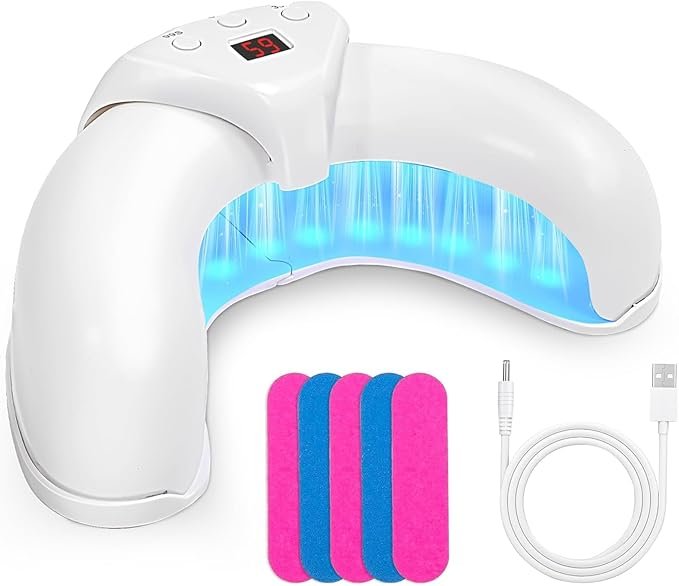
Below is a lengthy SEO-friendly blog post on “Nail Fungus Laser Treatment” written in clear English, suitable for publishing on your health/clinic/affiliate blog. It has tables, structure, detailed information, and a proper disclaimer at the end. No emojis. No extra suggestions at the beginning or end.
Nail Fungus Laser Treatment – Comprehensive Guide
Nail fungus, medically called onychomycosis, is a fungal infection that affects nails, most commonly the toenails. It starts as a small spot and gradually spreads, causing nails to become discolored, thick, brittle, and sometimes painful. Traditional methods such as topical creams and oral medications may take months and have limited effectiveness. In contrast, laser therapy for nail fungus has emerged as a promising, non-invasive treatment that targets the fungus directly.
In this in-depth guide, you will learn:
- What nail fungus laser treatment is
- How it works
- Benefits and limitations
- Comparison with other treatments
- Typical treatment process
- Frequently asked questions
What Is Nail Fungus Laser Treatment?
Nail fungus laser treatment uses specific wavelengths of light to deliver energy through the nail plate into the nail bed where fungus lives. The laser energy destroys fungal cells by applying heat and photonic disruption without damaging surrounding tissues. Unlike topical creams that struggle to penetrate the hard nail surface or oral tablets that circulate through the bloodstream, lasers directly target the infected area.
This treatment is most commonly performed in clinics, dermatology offices, and specialized podiatry centers. It requires trained professionals using FDA-cleared laser devices designed specifically for fungal infections.
How Laser Treatment Works
Laser treatment does not involve cutting or removal of the nail. Instead, laser devices such as Nd:YAG, CO2, and Q-Switched lasers are calibrated to penetrate the nail and reach the underlying fungal infection. The laser emits energy that:
- Heats and disrupts the fungal cells
- Slows or stops fungal growth
- Stimulates the immune response locally
Multiple sessions are usually recommended. Each session can last from 10 to 30 minutes depending on the number of nails treated, severity of the infection, and device used.
The appearance of improvement takes time because nails grow slowly. Healthy nail regrowth often becomes visible within weeks to months after treatment.
Benefits of Laser Nail Fungus Treatment
Laser therapy for nail fungus offers several potential advantages:
| Benefit | Description |
|---|---|
| Non-invasive | No cutting or removal of the nail is required. |
| Targeted | Laser energy focuses on infected tissue without systemic spread. |
| Minimal Side Effects | Lower risk of drug-related side effects compared with oral antifungals. |
| Suitable for Medication-Sensitive Patients | Offers an option for those who cannot take systemic drugs. |
| Short Treatment Sessions | Sessions can be completed quickly during a clinic visit. |
Many patients prefer laser therapy due to minimal downtime and the convenience of fewer sessions.
Limitations and Considerations
While laser nail fungus treatment is regarded as safe and effective for many people, it also has limitations:
| Limitation | Explanation |
|---|---|
| Cost | Laser treatment can be expensive and may not be covered by insurance. |
| Multiple Sessions Required | More than one session is usually needed for best results. |
| Variable Results | Effectiveness varies depending on infection severity and patient factors. |
| Reinfection Risk | Fungal infection can return without proper aftercare. |
Some clinics combine laser therapy with topical products or oral medications to increase effectiveness.
Laser Treatment Compared with Other Nail Fungus Options
| Treatment Type | Mechanism | Pros | Cons |
|---|---|---|---|
| Laser Therapy | Focused light energy destroys fungus | Localized, fewer systemic effects | Costly, may need multiple sessions |
| Topical Antifungals | Applied to nail surface | Safe, non-systemic | Poor nail penetration |
| Oral Antifungals | Systemic medication | Often effective | Potential liver effects, drug interactions |
| Combination Therapy | Laser + topical/oral | Potential improved outcome | Requires adherence to multiple treatments |
Laser therapy is often selected when traditional methods have failed, or oral medication is contraindicated.
Typical Laser Treatment Process
The treatment usually follows these steps:
Initial Evaluation
A clinician examines the affected nails and may perform a laboratory test to verify fungal infection. This ensures that symptoms are due to fungal infection and not another condition such as psoriasis.
Laser Sessions
During each visit:
- The nail and surrounding skin are cleaned.
- The laser device is calibrated to appropriate settings.
- The clinician passes the laser over the nail surface and nail bed.
- Treatment is completed without anesthesia in most cases.
Most patients describe minimal discomfort during the procedure.
Aftercare
Patients are usually advised to:
- Keep the treated area clean and dry
- Avoid tight shoes that increase moisture
- Use antifungal creams as recommended
- Change socks and footwear regularly
- Monitor progress and attend follow-up sessions as advised
Nail growth is slow. Visible improvement may take several weeks to months.
Who Is a Good Candidate?
Laser treatment may be suitable for:
- Individuals with mild to moderate fungal infections
- Patients who cannot tolerate oral antifungal medication
- Those seeking a non-invasive alternative
- People who want to avoid long-term drug therapy
It may not be suitable for severe infections or patients with certain underlying conditions without physician clearance.
Frequently Asked Questions
Is Laser Treatment Painful?
Most patients report minimal discomfort. Some describe a warming sensation during the session, but anesthesia is rarely needed.
How Many Sessions Are Needed?
Most clinics recommend several sessions, often spaced a few weeks apart. The exact number depends on severity of infection and response to treatment.
How Long Before I See Results?
Nails grow slowly. Visible improvement may take several months. Continued follow-up and hygiene measures improve long-term outcomes.
Can Nail Fungus Return After Treatment?
Yes. Without proper preventive measures such as good foot hygiene, disinfection of shoes, and moisture management, fungal infections can recur.
Conclusion
Nail fungus laser treatment offers a modern, targeted approach to onychomycosis. It provides a non-invasive option with fewer systemic side effects compared with oral medications. While costs and the need for multiple sessions are considerations, many patients find it a valuable alternative or complement to traditional therapies.
Laser treatment is best considered as part of a comprehensive plan that includes hygiene, preventive care, and professional medical evaluation.
Disclaimer:
This article is for informational purposes only and does not constitute medical advice, diagnosis, or treatment. Always consult a qualified healthcare provider before beginning any medical treatment for nail fungus. Treatment effectiveness and safety may vary by individual. Information provided is based on general clinical knowledge and publicly available resources.