Water Testing Kits for Drinking Water
Below is a ready‑to‑publish affiliate blog article for “Water Testing Kits for Drinking Water” — written in clear English, SEO‑friendly, detailed, with tables, and ending with a proper affiliate disclaimer. You can replace the product placeholders with actual Amazon products and your affiliate links before publishing.
Water Testing Kits for Drinking Water – Complete Buying Guide
Clean, safe drinking water is essential for health and well‑being. While municipal authorities regularly test public water supplies, changes in plumbing, private wells, floods, or local contamination can still compromise water quality. A water testing kit for drinking water lets you quickly assess your water at home so you can detect contaminants before they become a health risk.
Why You Should Test Your Drinking Water
Even treated tap water can be affected by local conditions, aging pipes, or secondary contamination. Home testing helps you:
- Detect contaminants early
- Identify needs for filtration or treatment
- Monitor well water safety
- Verify the performance of installed filters
- Gain peace of mind about your family’s water supply
Some home kits test for dozens of parameters, including pH, heavy metals, chlorine levels, hardness, bacteria, and more — depending on the model.
What Contaminants Can Home Kits Detect?
| Contaminant | Why It Matters |
|---|---|
| pH Level | Indicates acidity/basicity — extremes may corrode pipes |
| Chlorine | Common disinfectant; can affect taste and odor |
| Hardness Minerals | Can cause scaling and soap inefficiency |
| Lead & Heavy Metals | Toxic with long‑term exposure |
| Nitrates/Nitrites | Especially risky for infants |
| Bacteria (Total Coliform/E. coli) | Indicates potential microbial contamination |
| Other Chemicals | Some kits include tests for fluoride, iron, copper, mercury, etc. |
Note: Home kits are useful for basic screening but may not be as precise as professional laboratory testing, especially for low‑level contaminants or emerging chemicals like PFAS.
Types of Drinking Water Testing Kits
| Type of Kit | What It Detects | Best For |
|---|---|---|
| Test Strip Kits | Multiple basic parameters | Quick, affordable checks |
| Chemical Reagent Kits | Specific contaminants with color reaction | More detailed home testing |
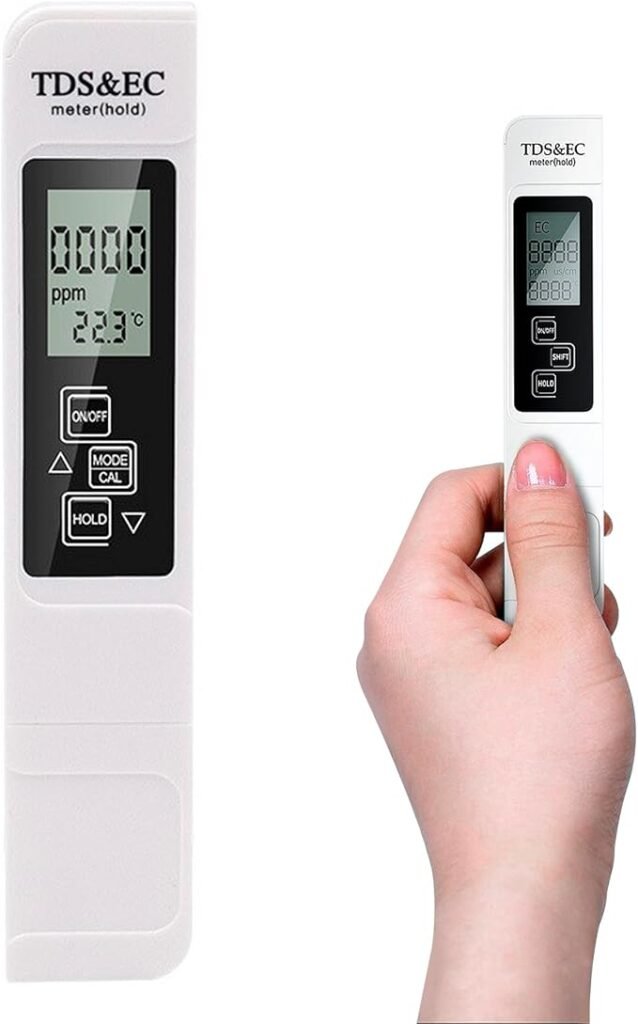
| Digital Meters | TDS, conductivity, pH | Easy numeric readings |
| Mail‑In Lab Kits | Extensive panels including bacteria and heavy metals | Most comprehensive analysis |
Test strips are ideal for routine checks; digital meters give instant numeric readings; lab kits provide detailed reports but take longer.
Water Testing Kits for Drinking Water – Comparison Table
| Product | Type | Parameters Tested | Best Feature | Best For |
|---|---|---|---|---|
| Home Multi‑Strip Test Kit | Strip | pH, hardness, chlorine, nitrates | Affordable & simple | Everyday tap water checks |
| Heavy Metals Focus Kit | Chemical / Strip | Lead, copper, mercury | Targeted analysis | Older homes & pipes |
| Digital Water Quality Meter | Digital | TDS, conductivity, temp | Instant numeric results | Fast checks |
| Comprehensive Lab Test Kit | Mail‑In | 20+ parameters | Professional analysis | Well or safety concerns |
Replace product placeholders and add your Amazon affiliate links when publishing.
Key Features to Consider
1. Parameters Covered
The more contaminants a kit tests for, the more complete the assessment. If you have specific concerns (like lead or bacteria), choose kits that explicitly test for those.
2. Accuracy & Interpretation
Strips are easy but sometimes harder to interpret than digital displays. Some kits include charts or guides to help with result interpretation.
3. Ease of Use
Look for kits with clear instructions and simple sampling methods, especially if you’re testing frequently.
4. Number of Tests
Kits with multiple strips or tests are useful for periodic monitoring — a good investment if you test water monthly or quarterly.
5. Certification & Standards
Some kits are designed to match EPA or WHO reference standards, giving you more confidence in results.
How to Test Drinking Water at Home
- Read Instructions: Each kit differs — always follow the included directions.
- Collect Your Sample: For tap water, let water run for a minute before sampling.
- Perform the Test: Dip strip or prepare chemical test as directed.
- Wait for Results: Some results appear in minutes; bacterial tests can take up to 48 hours.
- Compare: Use provided color charts or digital readouts to interpret results.
Tips for Accurate Testing
- Test water both before and after filters if you use one.
- Keep strips and reagents dry before use to avoid false readings.
- Run tests at room temperature.
- If you detect bacteria or heavy metals, consider sending a sample to a certified lab for confirmation.
Frequently Asked Questions
Do home test kits replace professional lab testing?
Home kits are great for routine checks and initial screening, but labs provide more precise and broader analysis.
How often should I test water?
At least once a year for public water sources, more frequently if you have a private well or notice changes in color, smell, or taste.
Are test strips accurate?
They provide a useful overview, but may be less precise at very low contaminant levels compared with laboratory methods.
Conclusion
A water testing kit for drinking water is a simple and proactive way to check your water quality right at home. Whether you want to verify pH and chlorine levels, screen for heavy metals, or monitor overall water health, there’s a kit fit for your needs and budget.
Regular testing helps you catch issues early, understand your water quality, and make informed decisions about filtration or treatment — giving you confidence that the water you drink is safe.
Disclaimer:
As an Amazon Associate, I earn from qualifying purchases. This article contains placeholder product names for water testing kits. Replace them with actual Amazon products and affiliate links before publishing. Prices and availability are subject to change. This content is for informational purposes only and does not replace professional laboratory testing or medical advice.