Turkish coffee pot
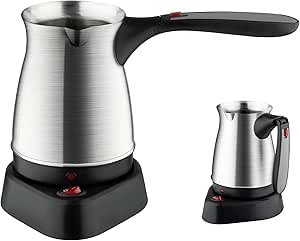
Here’s a ready‑to‑publish affiliate blog article on Turkish Coffee Pots — also known as cezve or ibrik — complete with buying guidance, comparison suggestions you can link to with your Amazon affiliate links, and a proper disclaimer at the end.
Turkish Coffee Pot – Ultimate Guide to Brewing Authentic Turkish Coffee
If you love the rich, aromatic ritual of Turkish coffee, then owning the right Turkish coffee pot (also called a cezve or ibrik) is essential. This small, long‑handled pot is the traditional tool used to brew Turkish coffee — creating an unfiltered, foamy, and deeply flavorful cup that’s been enjoyed for centuries in Turkey, the Middle East, and beyond.
Whether you’re a coffee connoisseur or someone looking to explore cultural brewing traditions at home, this guide gives you everything you need to pick the right Turkish coffee pot.
What Is a Turkish Coffee Pot (Cezve / Ibrik)?
A Turkish coffee pot — traditionally called a cezve in Turkish — is a small pot with a long handle and a narrow neck designed specifically for brewing Turkish‑style coffee. In many countries it’s also referred to as an ibrik.
The unique shape helps create the characteristic foam while heating finely ground coffee slowly over low heat on a stovetop or flame. The narrow neck traps the foam, while the wide base ensures heat distributes evenly for a smooth brew.
Why Use a Traditional Turkish Coffee Pot?
Turkish coffee isn’t just a beverage — it’s a cultural experience that’s been enjoyed for centuries, often served in small cups with friends or family as part of hospitality and conversation.
Brewing coffee the traditional way in a cezve gives you:
- A rich, layered flavor that comes from boiling very finely ground coffee directly with water
- Naturally unfiltered coffee, with grounds settling in the cup
- A distinctive foam layer on top that many purists consider essential
- A hands‑on ritual that connects you to historic coffee culture
Key Features to Look For
Choosing the right Turkish coffee pot comes down to a few important factors:
Materials
Different materials affect heating, durability, and coffee flavor:
- Copper: Traditional favorite for even heat conduction and rich traditional flavor; often tin‑lined to prevent reactions with coffee.
- Brass: Heavier and durable, often with decorative finishes.
- Stainless Steel: More modern, easy‑to‑maintain, durable, and works well on many stovetops.
- Aluminium or Zamak: Lighter, more affordable options without the traditional patina.
Size & Capacity
Turkish coffee pots come in various capacities depending on how many cups you want to brew at once:
- Small (1–2 cups): Perfect for solo drinkers or couples
- Medium (3–4 cups): Great for small gatherings
- Large (5+ cups): Ideal for entertaining or sharing
Choose a size that matches your regular coffee needs so you’re not brewing multiple batches.
Handle & Design
A long, heat‑resistant handle — often wood or Bakelite — keeps you safe during brewing. Traditional engraved designs add a cultural aesthetic, while modern styles focus on minimalist practicality.
Turkish Coffee Pot Comparison Table
Here’s a helpful overview you can link to with your Amazon affiliate URLs:
| Product | Material | Capacity | Best Feature | Ideal For |
|---|---|---|---|---|
| Authentic Turkish Coffee Pot, Handmade Cezve/Ibrik – 2 Cup | Zamak/Aluminium | ~2 cups | Handmade design | Everyday use & gift |
| Authentic Turkish Coffee Pot Cezve/Ibrik – 5 Cup (Gold) | Zamak/Aluminium | ~5 cups | Elegant finish | Larger servings |
| Turkish Solid Hammered Copper Coffee Pot Cezve Ibrik Briki | Copper | Varies | Excellent heat conduction | Traditional brewing |
| Authentic Turkish Coffee Pot (Cezve/Ibrik) – Classic | Zamak/Aluminium | Medium | Stylish & compact | Daily coffee lovers |
Use each row’s products with your exact Amazon affiliate links once you confirm current listings.
How to Brew Turkish Coffee at Home
Using a Turkish coffee pot is simple once you get the technique down:
- Add Water: Pour cold filtered water into the pot (usually about 70–80 % full).
- Add Coffee: Add very finely ground Turkish coffee (often finer than espresso grind).
- Optional Sweetness: Add sugar before heating if you like sweet coffee.
- Heat Slowly: Place the pot on low heat. Watch as the foam begins to rise.
- Don’t Boil Over: Just before it spills, remove from heat and serve gently into small cups, foam and all.
The narrow spout helps you pour carefully without spilling grounds or foam.
Care and Maintenance Tips
- If copper: Avoid using harsh detergents or metal scrubbers to protect tin lining and patina.
- Stainless steel: Wipe and dry after use to prevent water spots.
- Handle care: If wooden, avoid prolonged soaking to preserve the handle finish.
Why This Tradition Matters
Turkish coffee isn’t just a drink — it’s a social ritual with centuries of history, often enjoyed slowly after meals with company. The method has deep roots in Turkish and Middle Eastern culture and is even associated with practices like reading coffee grounds (tasseography).
Whether you’re exploring coffee traditions or just craving a rich, bold cup at home, a good Turkish coffee pot elevates your experience.
Frequently Asked Questions
Can I use my Turkish coffee pot on any stovetop?
Copper and brass pots usually work best on gas or electric stoves. For induction stovetops, check if the cezve is induction‑compatible or use an induction adapter plate.
Do I need special coffee beans?
Turkish coffee requires very finely ground coffee — finer than espresso — but you can use your favorite beans ground appropriately.
Can these pots do other jobs?
Yes. Many people also use their cezve for heating milk, melting butter, or making small amounts of other beverages.
Disclaimer:
As an Amazon Associate, I earn from qualifying purchases. This article contains affiliate links to products on Amazon. Prices and availability are subject to change. Please review product details and seller information before purchasing. This content is for informational purposes only.