Baby Hip Carrier
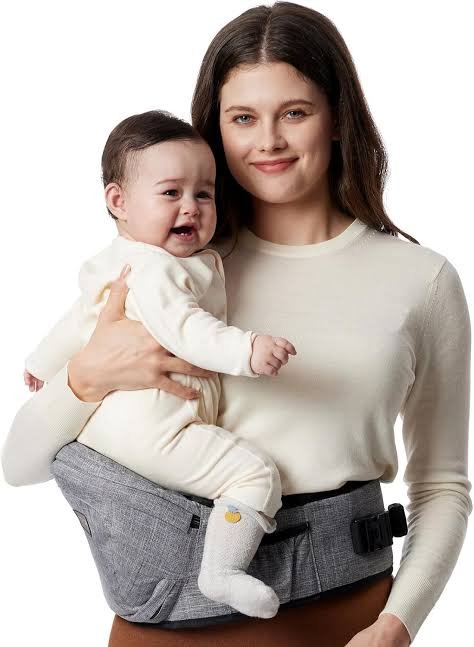
Baby Hip Carrier — Comfortable, Supportive & Easy to Use
A baby hip carrier makes carrying your little one comfortable, ergonomic, and convenient — especially on the go. Unlike traditional front or full-back carriers, a hip carrier is designed for one-side carry while evenly distributing baby’s weight across your hips and waist. It’s a great option for parents who want quick pick-ups, better mobility, and easier interaction with their child without the bulk of a full carrier.
Whether you’re heading out for errands, taking a walk, or just going about your daily routine at home, a well-designed hip carrier offers support, bonding, and freedom of movement.
Top Baby Hip Carriers Available
(Note: Some carriers listed can be used in multiple positions including hip carry for flexibility and extended comfort.)
What Is a Baby Hip Carrier?
A baby hip carrier is a compact infant carrier that positions your child on one side of your body while providing stable hip support and less strain on your back and shoulders. These carriers are especially helpful for short trips, quick pickups, and everyday tasks where a full structured carrier might feel too bulky.
Most hip carriers include:
- A supportive waistbelt to transfer weight
- Padded seat or panel for baby comfort
- Safety buckles or straps for secure positioning
- Optional back support for parent comfort
Hip carriers allow your baby to sit in a natural “spooning” position, which can be soothing and comforting for both baby and parent.
Why Choose a Hip Carrier for Your Baby?
Using a hip carrier offers a unique blend of comfort and convenience:
| Benefit | Description |
|---|---|
| Quick & Easy Use | Perfect for on-the-go pickups without full setup |
| Better Visibility | Baby sits forward and can see surroundings |
| Lower Back Relief | Weight mostly on hips, not shoulders |
| Parent–Baby Interaction | Great for talking, soothing, and bonding |
| Compact Design | Smaller, less cumbersome than full carriers |
These carriers are especially appealing for short outings, travel, and daily household movement.
Features to Look For
| Feature | Why It Matters |
|---|---|
| Ergonomic Seat | Provides proper support for baby’s hips and spine |
| Adjustable Straps | Customizes fit for parent comfort |
| Padded Waistband | Distributes baby’s weight evenly |
| Safety Buckles | Adds secure fastening for peace of mind |
| Breathable Fabric | Keeps baby cool and comfortable |
Good hip carriers combine comfort, safety, and practicality for everyday use.
Age & Weight Considerations
Most hip carriers are suitable for babies from about 6 months up to toddler age (approximately 33 lbs / ~15 kg), depending on model and manufacturer guidelines. Always check weight recommendations and follow safe carrying practices for your baby’s age and developmental stage.
Proper seat support and upright positioning help maintain healthy leg and hip alignment.
How to Use a Baby Hip Carrier
- Put on the Waistbelt: Position the carrier around your hips with a snug fit.
- Secure Baby on the Hip: Guide baby into the seated position with legs on each side of your hip.
- Fasten Straps and Buckles: Ensure all safety points are secure without pinching.
- Check Comfort: Confirm baby’s hips are supported and your posture is balanced.
Regularly check straps and seat position to avoid pressure points and maintain comfort for both parent and child.
Safety Tips
- Ensure baby’s legs are supported at knee level with hips slightly higher than knees.
- Keep baby’s face visible and close enough to kiss at all times.
- Avoid carrying for long periods without resetting posture.
- Stop use if baby shows distress or discomfort.
Using a hip carrier with proper ergonomic support helps protect both your back and your baby’s developing hips.
When a Hip Carrier Is Most Useful
- Quick errands and short walks
- Caring for an older sibling while keeping baby close
- Moving around the house or yard
- Traveling through airports or transit systems
- Soothing fussy moments with close contact
Hip carriers are particularly helpful when you want freedom to move without sacrificing closeness.
Choosing the Right Carrier
When choosing a baby hip carrier, consider:
- Your lifestyle: Frequent travel vs. home use
- Comfort needs: Padding, waistband support, and weight distribution
- Baby’s growth: Adjustable designs for long-term use
- Breathability: Cool fabrics for warm weather
- Ease of use: Quick on/off and intuitive design
Selecting a carrier that suits your daily routines ensures greater satisfaction and ease of use.
Final Summary
A baby hip carrier blends comfort, convenience, and bonding in one portable tool. It’s ideal for parents seeking a simple yet effective way to keep their baby close while maintaining mobility. With ergonomic support, adjustable fittings, and user-friendly designs, these carriers make everyday activities more enjoyable for both caregivers and infants.
Disclaimer: This article contains affiliate links. If you purchase through these links, we may earn a small commission at no additional cost to you. We recommend products that offer comfort, safety, and ergonomic support for both you and your baby.