Bark Collar with Strap — Complete Guide to Training Support for Dogs
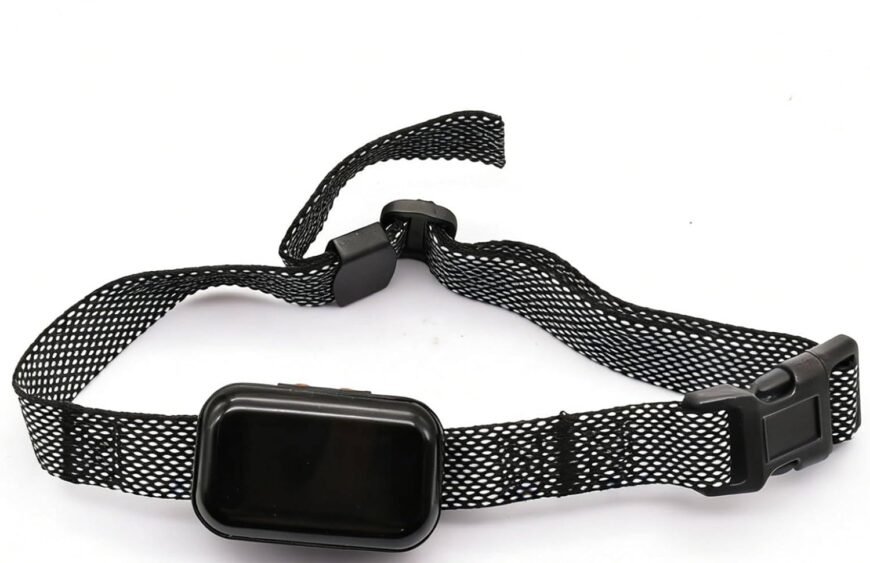
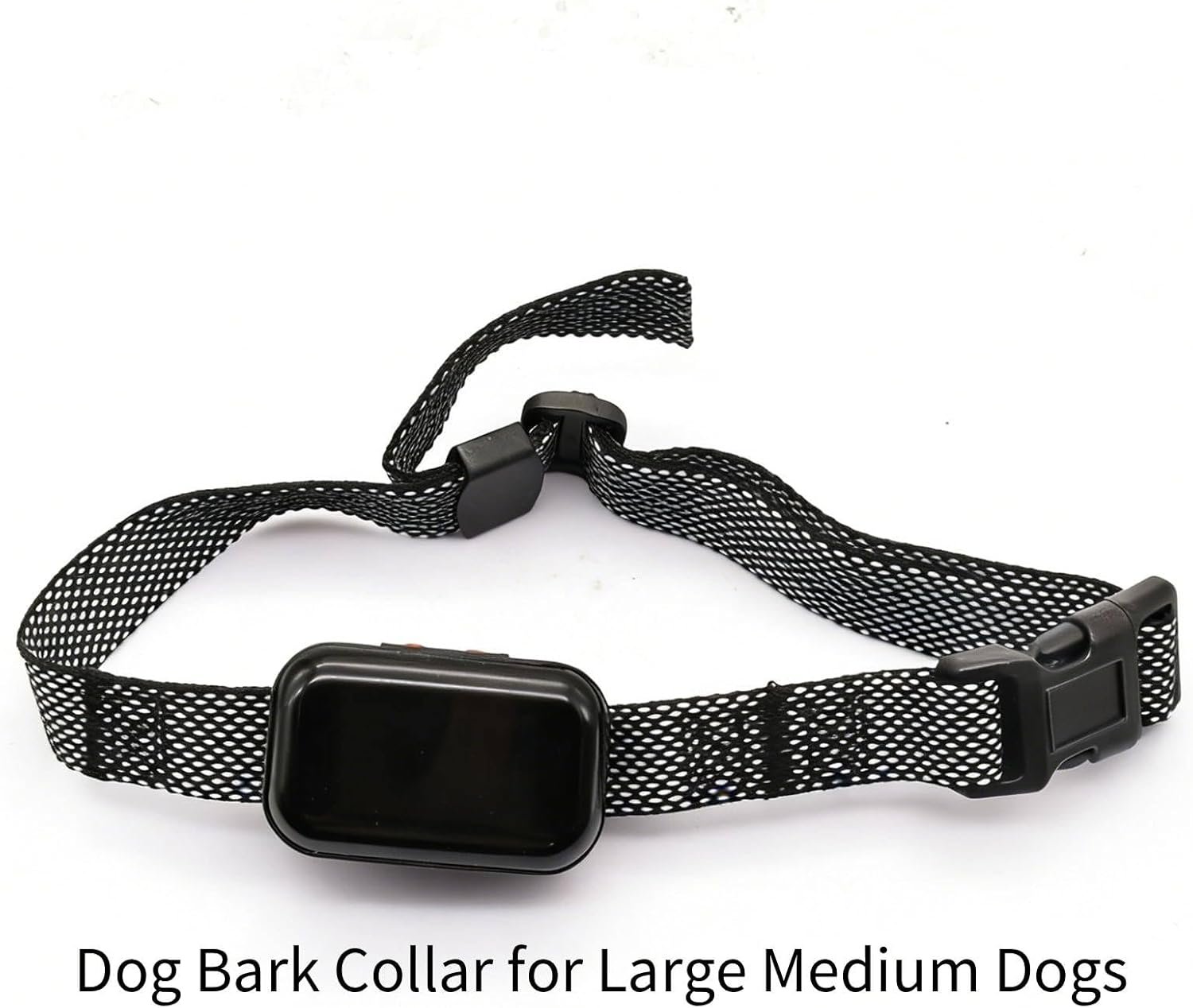
A bark collar with strap is a wearable training device designed to help manage excessive barking in dogs. Unlike traditional collars, these include built‑in bark detection and corrective feedback (often vibration, beep, or mild static stimulation) and come with a comfortable adjustable strap that keeps the unit securely in place. They can be an effective tool when used responsibly as part of a broader training plan to encourage quieter behavior.
This guide explains how bark collars work, key features to consider, benefits, safety guidelines, and tips for choosing the right one.
What Is a Bark Collar with Strap?
A bark collar with strap is a training device that sits around a dog’s neck and detects barking. When the collar senses that the dog is barking (via sound and/or vibration), it delivers a gentle corrective stimulus to discourage repetitive barking. The adjustable strap ensures the collar stays in contact with the dog’s neck in the proper position so detection and correction are effective.
These collars are not meant to punish, but to help the dog associate excessive barking with a neutral correction and, with training, learn quieter alternatives.
How Bark Collars Work
Modern bark collars typically use a combination of these detection technologies:
1. Sound Detection
A built‑in microphone senses the dog’s bark acoustics (sound pattern). When the collar detects barking, it triggers the correction.
2. Vibration/Throat Detection
Internal sensors can detect throat vibration — this helps reduce false triggers from other dogs barking nearby or loud noises in the environment.
3. Corrective Response
When a bark is detected, the collar responds with one or more correction types:
- Vibration: A gentle vibration alerts the dog
- Audible tone: A beep or sound signal that interrupts barking
- Mild static pulse: A low‑level static correction that is not harmful but serves as an interrupt
Many collars start at a low intensity and escalate if barking continues, so the dog learns without unnecessary stimulus.
Key Features to Look For
When choosing a bark collar with strap, consider these features:
Adjustable Strap and Comfortable Fit
Look for:
- Soft, skin‑friendly material
- Multiple size adjustments
- Secure fit without chafing
Proper contact with the skin is essential for accurate detection.
Detection Method
- Sound + vibration sensors: Most reliable at distinguishing real barking from environmental noise
- Vibration only: Best when you want an extra layer of false‑trigger resistance
Correction Levels
Good collars offer multiple intensity levels so you can start low and increase if needed.
Rechargeable Battery
Wireless rechargeable collars are more convenient than those requiring replaceable batteries.
Water Resistance
If your dog spends time outdoors or in wet conditions, a water‑resistant model reduces the risk of damage.
Indicator Lights
LED indicators can show power status, correction level, and low battery reminders.
Safety Lock
Prevents accidental activation when not in use.
Benefits of a Bark Collar with Strap
1. Supports Training
Bark collars help reinforce training by giving consistent feedback when unwanted barking occurs. Combined with positive reinforcement (treats, praise), they can accelerate behavior change.
2. Reduces Excessive Barking
For dogs that bark for attention, during idle moments, or at minor triggers, a collar can reduce repetition while you work on alternative responses.
3. Comfort and Security
Adjustable, padded straps make the collar suitable for daily wear without discomfort.
4. Hands‑Free, Constant Monitoring
Once fitted, the collar works automatically, so you don’t need to intervene manually every time your dog barks.
5. Ideal for Various Sizes and Ages
Available in sizes and intensity settings suited to both small and large breeds.
How to Use a Bark Collar Safely
Bark collars work best when combined with proper training and under responsible use. Here’s how to do it safely:
Ensure Proper Fit
The strap should be snug but not tight — you should be able to fit two fingers under the collar comfortably. Correct positioning ensures detection sensors contact the dog’s neck.
Start with Low Correction
Choose the lowest correction level that gets your dog’s attention. The goal is to interrupt barking, not to cause discomfort.
Use Positive Reinforcement
Whenever your dog is quiet after a correction or on command, reward them with praise, treats, or play. Reinforcing desired behavior enhances learning.
Limit Duration
Bark collars are training tools — not devices to leave on indefinitely. Use them while you’re actively training and monitoring progress.
Be Patient and Consistent
Behavior won’t change overnight; consistent training and gradual reduction of collar use help consolidate quiet behavior.
When Bark Collars Are Especially Helpful
Bark collars with strap can be effective in situations like:
- Barking for attention
- Excessive nuisance barking when no clear stressor exists
- Apartment living where noise is disruptive
- Barking triggered by environmental noise like traffic, passersby
- Training support alongside commands like “quiet”
They are not a substitute for addressing underlying causes of stress or anxiety, and sometimes behavioral training or consultation with a professional trainer is needed.
Things to Watch For
Not All Barking Should Be Corrected
Normal alert barking (e.g., someone at the door) or barking due to stress should be managed through training, environmental enrichment, and behavior work — sometimes too much correction can confuse the dog.
Comfort and Irritation
Check the strap area regularly for any signs of irritation, chafing, or red spots.
Age and Health Considerations
Puppies and dogs with certain health issues (respiratory or neck conditions) may not be suitable for bark collars — consult a veterinarian before use.
Alternatives and Complements to Bark Collars
Bark collars work best when combined with other strategies:
- Positive reinforcement training
- Daily exercise and mental stimulation
- Desensitization to triggers
- Environmental management (e.g., limiting visual triggers like passersby)
A collar should be just one component of a comprehensive training plan.
Final Thoughts
A bark collar with strap can be an effective aid for reducing repetitive or nuisance barking when used responsibly and as part of a training approach backed by consistency and positive reinforcement. The right features — adjustable strap, dual detection (sound + vibration), multiple correction levels, and a comfortable fit — will help you support quieter behavior without distress.
If you want help selecting the best bark collar for your dog’s size and barking pattern, just tell me your dog’s breed or weight range and the type of barking you’re addressing. I can recommend the features that suit your situation best.