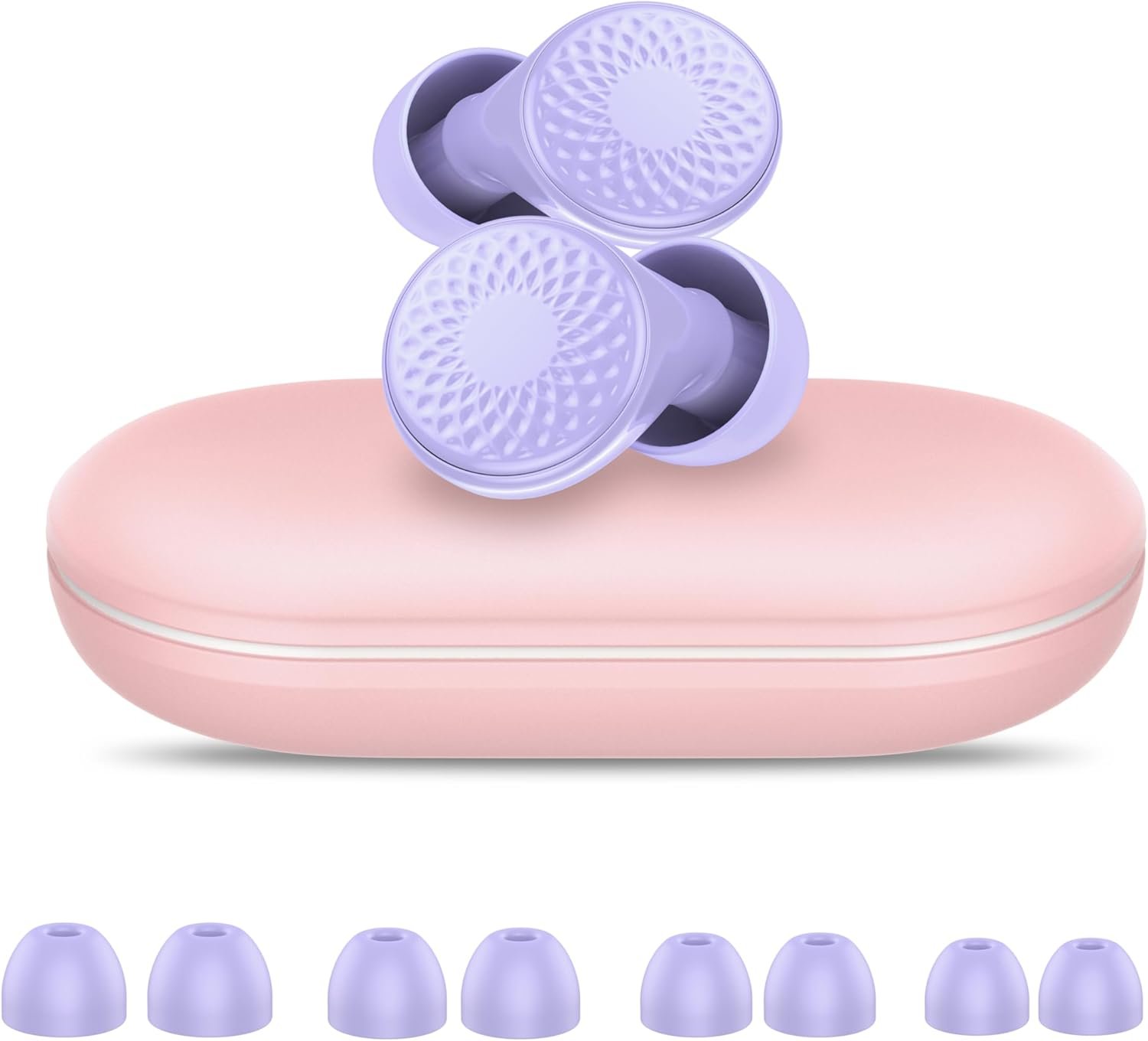
Ear Plugs — Complete Guide to Choosing and Using Them
Ear plugs are small devices designed to fit into the ear canal or cover the outer ear to reduce noise, protect hearing, and increase comfort in loud or distracting environments. They are widely used for sleeping, travel, work, concerts, swimming, and other situations where unwanted noise or water exposure is a concern.
This comprehensive guide explains what ear plugs are, how they work, the different types, key features to consider, and how to choose the right ones for your needs.
What Ear Plugs Are and How They Work
Ear plugs create a physical barrier between the ear canal and external sound or water. Depending on the material and design, they attenuate (reduce) sound levels by absorbing or blocking sound waves before they reach the inner ear. The level of protection is often measured in decibels (dB) — the higher the decibel reduction, the more noise is blocked.
Some ear plugs are designed to completely block sound, while others reduce noise evenly so that important sounds (like speech) remain audible but at safer volumes.
Common Uses of Ear Plugs
1. Sleeping
Many people use ear plugs to block snoring, street traffic, or other disruptive noises at night for better sleep quality.
2. Travel
On airplanes or during long bus/train rides, ear plugs reduce engine noise and create a calmer environment.
3. Workplace Hearing Protection
In noisy environments — like construction sites, factories, or workshops — ear plugs help protect against long‑term hearing damage.
4. Concerts and Events
Ear plugs designed for music reduce volume while preserving sound quality so music still sounds clear but safer.
5. Swimming and Water Protection
Water‑repelling ear plugs prevent water from entering the ear canal, helping prevent swimmer’s ear and irritation.
Types of Ear Plugs
1. Foam Ear Plugs
- Made of soft, compressible foam
- Expand in the ear canal to form a seal
- Good for sleeping, travel, and general noise reduction
- Often disposable
Pros:
- Very affordable
- High noise reduction
- Comfortable for many users
Cons:
- Not reusable (usually)
- Can feel occlusive for some
2. Silicone Ear Plugs
- Available in soft putty or pre‑molded shapes
- Can be reusable
- Ideal for blocking water or general sound
Pros:
- Reusable versions available
- Good for swimming and travel
Cons:
- Fit varies by ear shape
- May feel less snug for noise reduction than foam
3. Wax Ear Plugs
- Soft wax molding conforms to ear shape
- Excellent for sleeping because of soft, custom feel
Pros:
- Very comfortable
- Good for irregular ear canals
Cons:
- Not very durable or reusable
4. High‑Fidelity Ear Plugs
- Designed for music events and concerts
- Reduce volume evenly so sound stays clear
- Often reusable
Pros:
- Preserves sound quality
- Great for musicians and concertgoers
Cons:
- Higher price than basic foam or silicone
5. Custom‑Molded Ear Plugs
- Made from a mold of your ear canal
- Offer excellent comfort and sound reduction
- Ideal for frequent users, professional musicians, or workers
Pros:
- Excellent fit and comfort
- Very effective protection
Cons:
- More expensive
- Requires professional fitting
Key Features to Look For
When choosing ear plugs, consider:
Noise Reduction Rating (NRR)
Measured in decibels (dB), it tells you how much noise the plugs can reduce. Higher NRR values mean more protection.
- 20–33 dB: Good range for sleep, travel, and loud environments
- Above 33 dB: Heavy industrial noise or very loud events
Comfort and Fit
A comfortable fit ensures you’ll actually wear them. Foam, silicone, or custom molds affect comfort differently.
Reusability
- Disposable: Convenient and hygienic for occasional use
- Reusable: Better for frequent use and long‑term savings
Ease of Use
Soft, compressible foam and ergonomic designs make insertion and removal easier.
Water Resistance
Essential if you’re using ear plugs for swimming or water protection.
How to Wear and Care for Ear Plugs
Insertion Tips
- Gently roll foam plugs between your fingers to compress.
- Pull the top of your ear up and back to open the ear canal.
- Insert the plug deeply but gently — it should expand and seal comfortably.
Cleaning and Maintenance
- Foam: Typically disposable — replace after several uses or if dirty.
- Silicone/Wax: Rinse with mild soap and water; air‑dry.
- Reusable: Store in a case and clean regularly.
Safety Considerations
- Do not push plugs too deep — this can irritate the ear or cause discomfort.
- Avoid using cotton swabs with ear plugs — cotton swabs can push earwax deeper.
- If you experience pain, chronic itchiness, or ear discomfort, discontinue use and consult a healthcare provider.
Everyday Tips
- Keep a set in your purse, backpack, or travel bag for on‑the‑go comfort.
- Replace disposable plugs regularly.
- For frequent use (nighttime, work, or music), invest in a higher quality or custom‑fit pair.
- For concerts, choose high‑fidelity plugs so sound stays rich but at a safe level.
Final Thoughts
Ear plugs are simple yet vital tools for noise reduction, hearing protection, sleep improvement, and water protection. Whether you need them for occasional travel, nightly use, or professional noise environments, there’s a type of ear plug suited to your needs — from budget‑friendly foam to high‑quality custom molds.
If you want recommendations tailored to a specific use (sleeping, travel, concerts, swimming, or work), just tell me how and where you plan to use them!