Flat Wire Carded Fastener — What It Is and How It’s Used
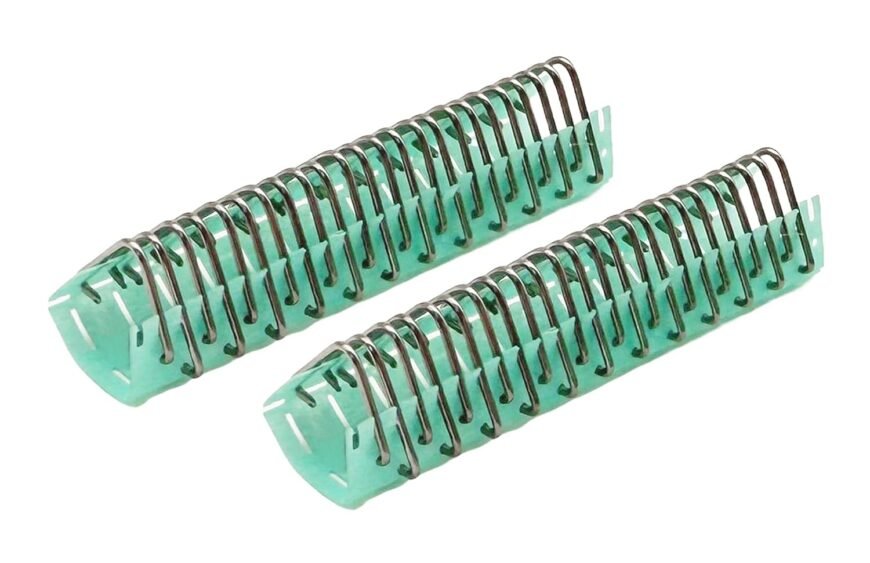
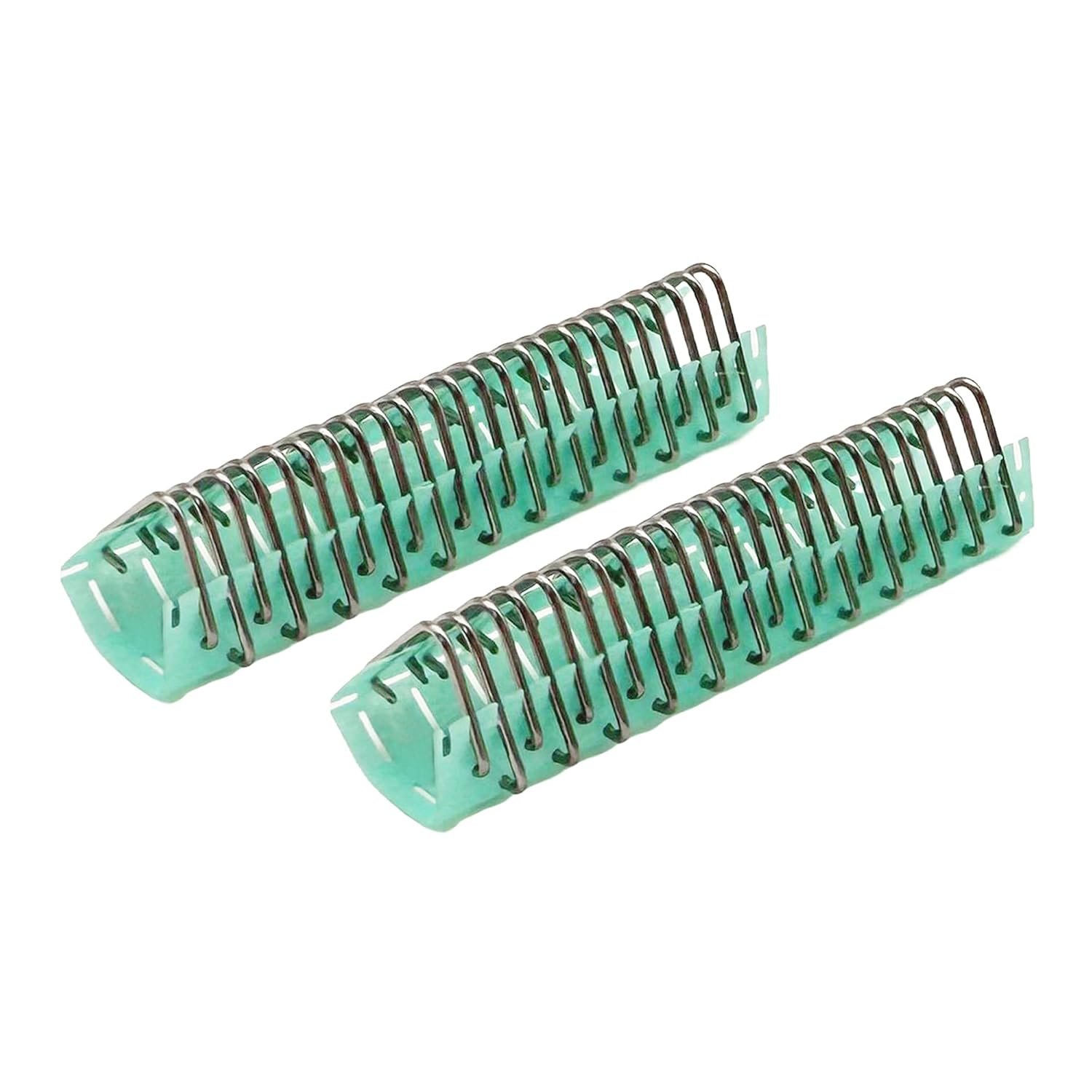
A flat wire carded fastener is a type of mechanical fastener (a hardware piece that joins or affixes materials) made from flat wire formed into hook-like shapes and supplied in a carded format (attached to a paper or cardboard strip) for easier handling and installation. These fasteners are commonly used in conveyor belt splicing and industrial belting applications where a reliable joint is needed without welding or adhesives.
Breakdown of the Term
Fastener
A fastener is any device used to mechanically join objects together temporarily or permanently, such as screws, bolts, staples, and in industrial contexts, belt lacing components.
Flat Wire
In this context, flat wire refers to wire that has been formed into a rectangular or flattened profile rather than being round. This shape provides a lower profile and more uniform surface when embedded or linked into a belt or mesh, which can reduce noise and wear. A rectangular or flat wire profile is often used where the finished surface needs to sit smooth or flush.
In other industries flat wire also means metal wire that’s rolled or drawn into a flat, ribbon-like shape for various uses, but in fasteners it’s the profile used for strength and surface characteristics.
Carded
Carded refers to the way the fasteners are packaged for safe handling: individual hooks or fastener pieces are secured on a strip of carding paper or board. This makes them much easier to handle, count, install, and feed into a machine because they stay organized rather than loose. It’s a common method for industrial fastener kits, especially for conveyor belt hook kits.
What Flat Wire Carded Fasteners Are Used For
The most common use of flat wire carded fasteners is in conveyor belt lacing systems in industrial settings, particularly where belts must be joined or repaired without welding or adhesives. They are part of wire-hook fastening systems designed to create secure splices while keeping the belt surface flat, low-noise and less abrasive.
In these systems:
- The flat wire hooks or fastener elements penetrate the belt ends.
- They interlock to form a splice that joins two ends of the belt securely.
- Carded packaging helps installers quickly access and place many individual fastener pieces.
Why “Flat Wire Carded Fasteners” Matter
Compared to other belt fastening methods, flat wire carded fasteners offer several advantages:
Flat Surface Profile
Because the wire is flat, it sits lower and smoother when installed, which can help reduce belt wear, guide interference, and noise during operation.
Organized Installation
Carded presentation keeps fasteners in order and reduces the risk of handling errors or lost pieces during installation.
Reliable Mechanical Splice
These fasteners provide a non-permanent but strong mechanical joint that doesn’t require welding or special adhesives — useful in many industrial belt applications.
Summary
A flat wire carded fastener is a type of mechanical connector made from shaped flat wire and supplied on a carded strip for easier handling. It is most often used in industrial conveyor belt splicing and other applications where belts need to be joined with a low-profile, organized, and durable fastening method. The flat wire profile provides a smooth surface and reduced noise or wear, while the carded format helps simplify installation.