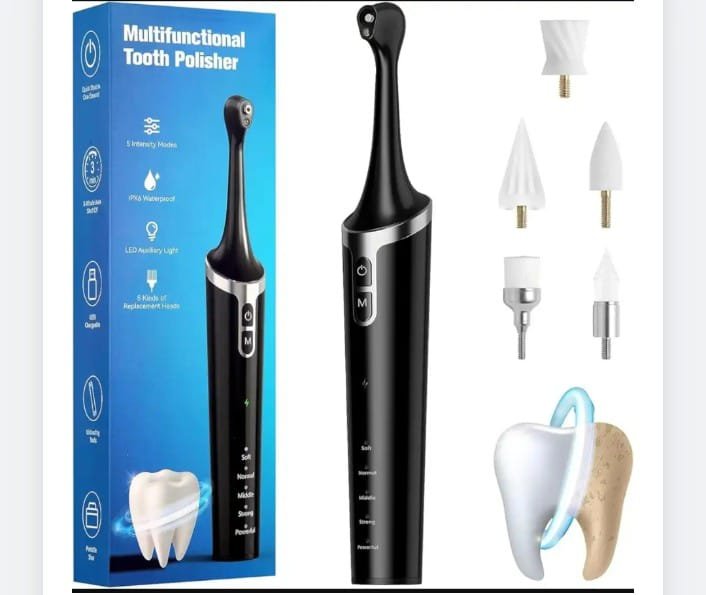
Professional Tartar Remover — Complete Guide to Removing Tartar Safely and Effectively
A professional tartar remover refers to tools, instruments, and products used to remove tartar (also called dental calculus) from teeth. Tartar is hardened dental plaque that forms when plaque has been left on the tooth surface and mineralizes. Because tartar is firmly attached to tooth enamel and gums, it can only be removed with the right tools and techniques — typically through professional dental cleaning or specialized removal devices when recommended.
This guide explains what tartar and tartar removers are, why professional removal matters, how it’s done, safety considerations, and alternatives to DIY methods.
What Is Tartar (Dental Calculus)?
Tartar is hardened plaque that forms on teeth when bacteria-rich plaque remains on the tooth surface and mixes with minerals in saliva. Over time, it calcifies and hardens, forming a rough deposit that:
- Forms along the gum line and between teeth
- Can trap bacteria and worsen gum irritation
- Leads to gum disease (gingivitis, periodontitis) if not treated
Tartar is easier to prevent than remove — once it forms it bonds strongly to tooth enamel and cannot be easily brushed away with regular at-home brushing and flossing.
Why Professional Tartar Removal Matters
Removing tartar is important for oral health because:
- Tartar harbors bacteria that cause gum inflammation and infection
- It can lead to bad breath (halitosis)
- Tartar buildup increases risk of gum disease and tooth decay
- Heavy tartar can affect appearance, leaving stains and rough patches
Once tartar forms, typical toothbrushes and floss cannot dislodge it — professional removal is usually required.
Professional Tartar Remover Tools
1. Dental Scalers
Professional dental scalers are handheld instruments with fine tips used by dentists and hygienists to scrape away tartar deposits from around the gum line and between teeth. They often include:
- Sharp metal tips to access tight spaces
- Angled edges for precise tartar removal
- Various shapes and sizes to match different tooth surfaces
Scalers are used gently yet effectively to dislodge calculus without damaging enamel when operated by a trained professional.
2. Ultrasonic Scalers
Ultrasonic scalers are electric or piezoelectric tools used in professional dental settings. They use:
- High-frequency vibrations to break up hardened tartar
- A water spray to wash away debris and cool the instrument
The combination of vibration and water flow makes ultrasonic scaling more efficient for larger deposits and deeper pockets. It’s one of the most common methods used during dental cleanings.
How Professional Tartar Removal Works
Professional removal generally follows these steps:
1. Dental Examination
The dentist or hygienist examines your teeth and gums to assess tartar buildup and gum health.
2. Scaling
Using manual or ultrasonic scalers, they remove tartar above and below the gum line. This may feel like gentle scraping or vibration, but it should not be painful.
3. Polishing
After scaling, the teeth are often polished with a rotating brush and a special toothpaste-like paste to smooth surfaces and remove surface stains.
4. Rinse and Evaluation
Your mouth is rinsed, and the clinician checks for missed spots or other concerns.
Professional tartar removal may be part of:
- Routine dental cleanings (prophylaxis)
- Deep cleaning (scaling and root planing) for early gum disease
- Periodontal maintenance if periodontal disease has been diagnosed
Safety and Professional Standards
Professional tartar removal by a trained dentist or hygienist is safe because they:
- Understand tooth anatomy, gum attachment, and oral health
- Know how to avoid damage to enamel or gum tissue
- Can adjust technique for sensitive areas
- Ensure appropriate infection control practices
Attempting to remove tartar at home with sharp instruments without training can lead to:
- Scratched enamel
- Gum injury or bleeding
- Infection or deeper gum issues
For these reasons, self-treatment using metal picks or dental tools is not recommended for untrained users.
Alternatives and At-Home Maintenance
While professionals should remove tartar, you can reduce plaque (the precursor to tartar) with:
Good Daily Habits
- Brush teeth at least twice daily with fluoride toothpaste
- Floss daily to remove plaque between teeth
- Use an antimicrobial mouthwash
Tartar-Control Toothpaste
- Some toothpastes contain agents like pyrophosphates or zinc citrate that help slow mineralization of plaque into tartar.
Electric Toothbrushes
- Studies show electric toothbrushes often remove plaque more effectively than manual brushes.
Regular Dental Checkups
- Professional cleanings every 6 months (or as recommended) help prevent tartar buildup from becoming a larger problem.
When to Seek a Professional Cleaning
You should contact a dental professional for tartar removal if you notice:
- Visible hardened deposits along the gum line
- Gum inflammation, swelling or bleeding
- Persistent bad breath
- Receding gums or loose teeth
A dentist can evaluate whether routine cleaning or deeper periodontal care is needed.
Summary
A professional tartar remover refers to specialized dental tools used by trained clinicians to safely and effectively remove hardened plaque (tartar) from teeth. This process — including manual and ultrasonic scaling — is part of routine dental care and is crucial for maintaining gum health and preventing oral disease. Because tartar cannot be removed with routine brushing or flossing alone, regular dental visits and professional cleanings are essential. At home, good hygiene and preventative care help limit plaque formation and slow tartar buildup between professional appointments.
If you want, I can explain what dental scaling feels like or how often most people should get tartar professionally removed based on common oral hygiene standards.