Indoor Air Quality Monitor: Ensuring Healthier Living Spaces
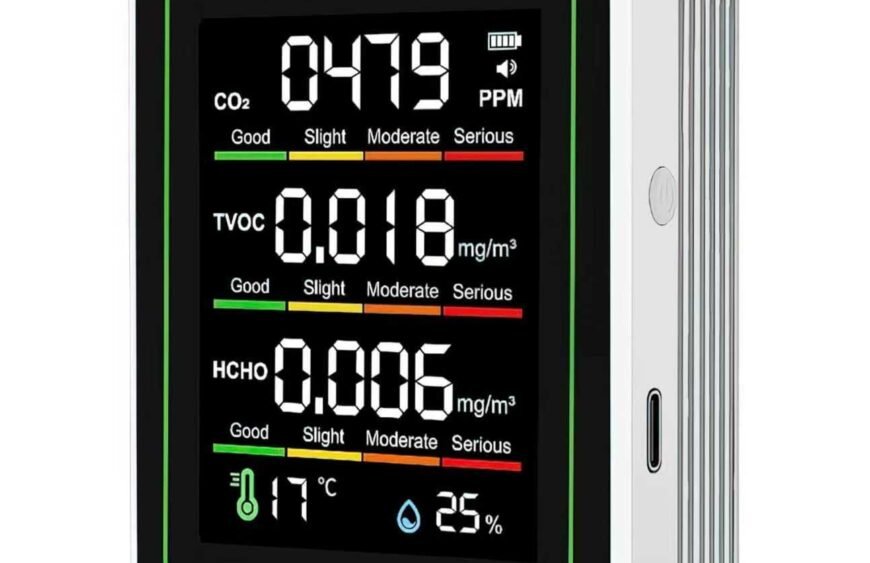
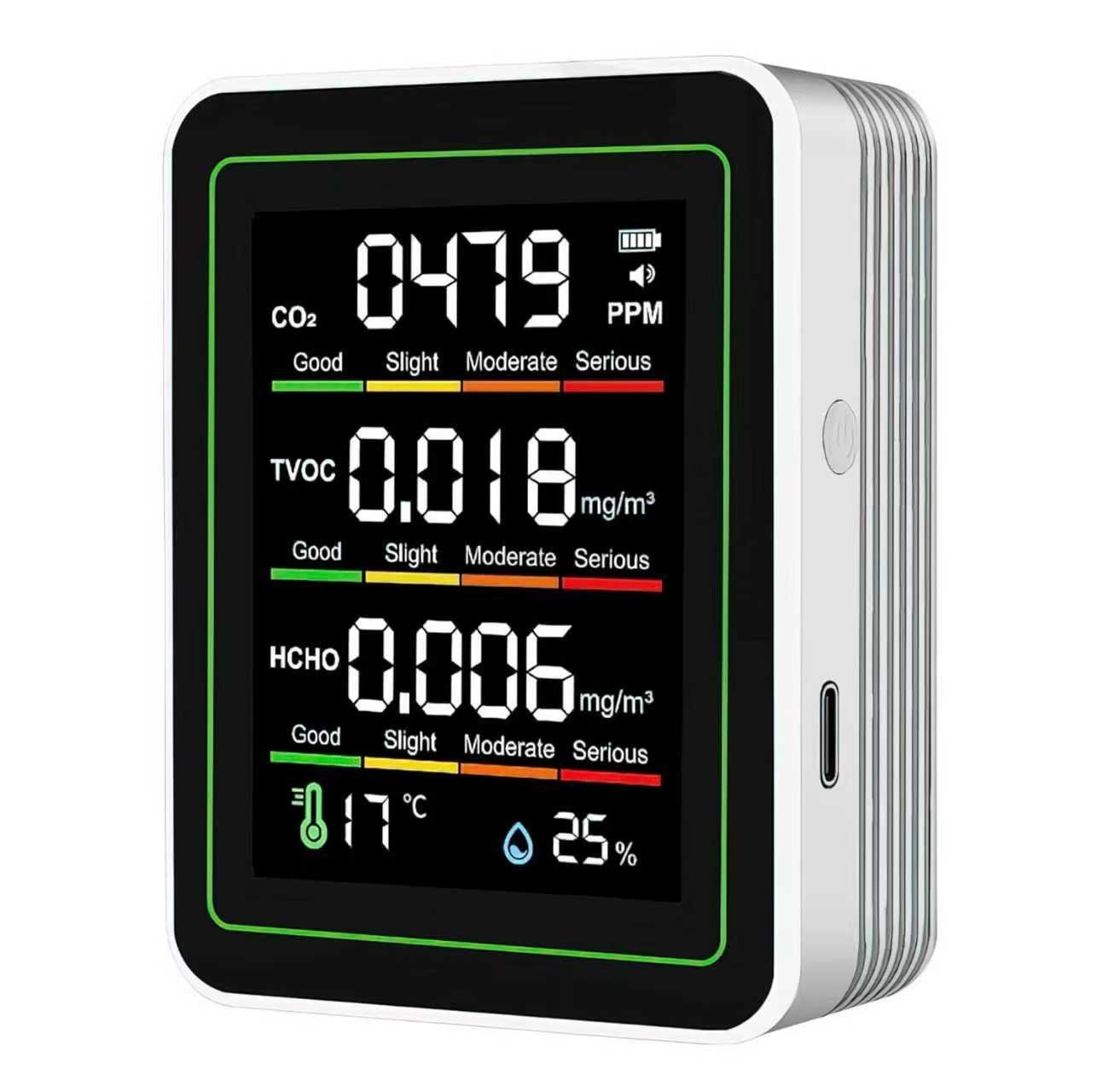
The air inside your home plays a crucial role in your overall health and well-being, but it’s often easy to overlook. Pollutants such as dust, pollen, pet dander, VOCs (volatile organic compounds), and carbon dioxide can all accumulate indoors, affecting both your comfort and your health. An indoor air quality monitor is an essential tool to help you track and improve the air you breathe daily, ensuring a cleaner, healthier living environment.An indoor air quality monitor works by measuring various pollutants and environmental factors that affect the air in your home. Most advanced models are equipped with sensors that detect particulate matter (PM2.5), carbon dioxide (CO2), humidity levels, temperature, VOCs, and even carbon monoxide (CO). These factors can significantly impact your respiratory health, particularly if you’re prone to allergies, asthma, or other respiratory conditions.
One of the key benefits of using an air quality monitor is the ability to gain real-time insights into your indoor air quality. By constantly monitoring the levels of pollutants and gases, these devices provide immediate feedback, allowing you to take action to improve your home’s air. For example, if high levels of CO2 are detected, you might choose to open a window or activate an air purifier to reduce the concentration of harmful gases.
Air quality monitors are especially helpful for individuals who suffer from allergies or asthma. For example, if you’re allergic to dust mites or pollen, the device can alert you when the air quality is poor, allowing you to take preventive measures, such as using a HEPA filter or closing windows during high-pollen seasons. Similarly, by monitoring VOCs, which can be emitted by household cleaners, paints, or new furniture, you can reduce your exposure to harmful chemicals that can cause headaches, dizziness, or long-term health effects.
Many indoor air quality monitors are designed to be user-friendly, offering easy-to-read displays and smartphone connectivity. This means you can monitor the air quality from your phone or tablet, even when you’re not at home. Some models even offer integration with smart home systems, allowing you to automate air purifiers, fans, or HVAC systems based on the real-time air quality data collected by the monitor.In addition to improving your health, maintaining good indoor air quality can also enhance your comfort and productivity. Poor air quality can lead to stuffiness, fatigue, and difficulty concentrating. By monitoring and controlling the factors affecting your air, you can create a more pleasant and comfortable living or working space. This is particularly important in home offices, where productivity may be hindered by poor ventilation or high CO2 levels.A key feature of modern air quality monitors is their ability to track trends over time. With this feature, you can observe changes in your home’s air quality and identify patterns that may be linked to specific activities, times of day, or seasons. For example, you might notice that air quality drops during cooking or when using certain household products. With this knowledge, you can take proactive steps to improve the environment, such as increasing ventilation or investing in better air filtration.