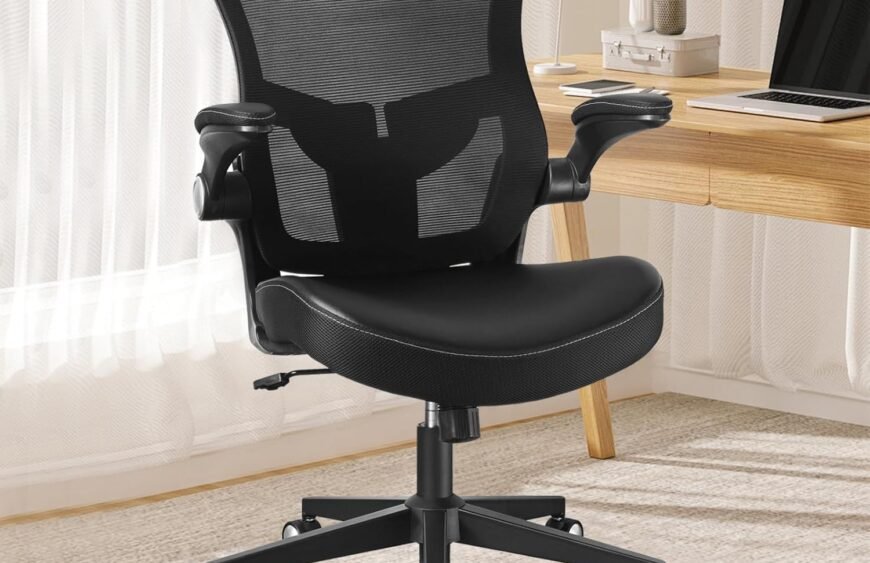
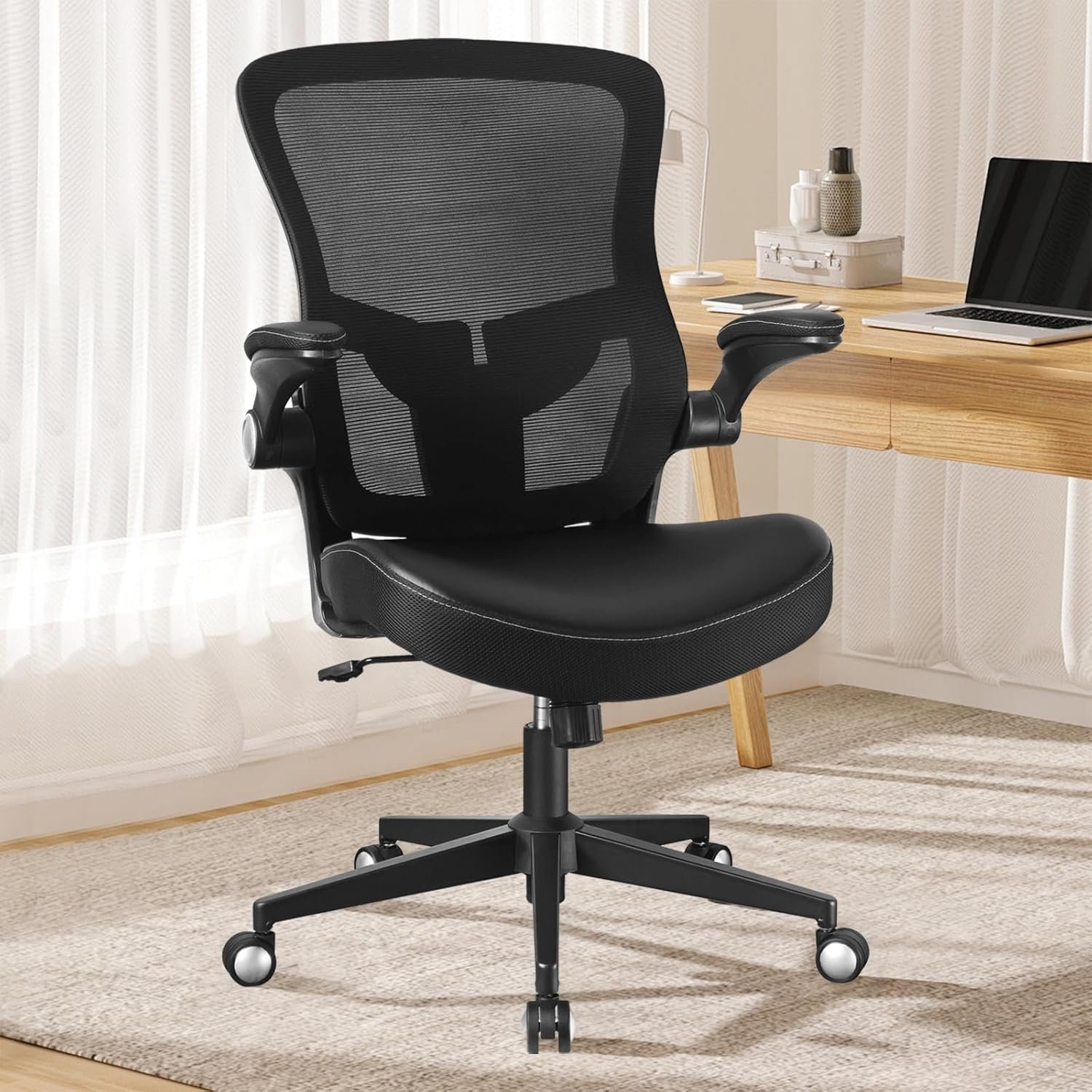
Heavy Duty Office Chair — Complete Guide to Comfort, Durability & Ergonomics
A heavy duty office chair is a robust seating solution designed for higher weight capacities, extended use, enhanced support, and long-lasting performance. Unlike standard office chairs, heavy duty models are engineered with stronger frames, reinforced materials, larger seats, and high-performance mechanisms to offer stability, comfort, and ergonomic support for prolonged periods — ideal for workplaces, home offices, or professionals who spend many hours seated each day.
This guide explains what makes a heavy duty office chair different, key features to look for, benefits, sizing and fit, maintenance, and how to choose the right one for your needs.
What Is a Heavy Duty Office Chair?
A heavy duty office chair is a seat built to handle:
- Higher weight capacities (often 300 lb / 136 kg or more, with some models rated 400 lb / 180 kg+)
- Frequent or all-day use (e.g., 8+ hours per day)
- Larger or taller users
- Greater durability and longer service life
These chairs often use reinforced frames, sturdy gas lifts, larger tilt mechanisms, and stronger materials than standard chairs. They are suitable for:
- Managers, professionals or remote workers
- Taller or heavier users requiring extra support
- Shared or high-traffic office environments
- Situations where longevity and comfort matter most
Key Features of Heavy Duty Office Chairs
1. High Weight Capacity
Heavy duty chairs are designed to support larger weight ranges safely. Look for models rated for at least:
- 300–350 lb (136–159 kg) for general heavy duty use
- 350–450 lb (159–204 kg) or more for bariatric or extra-heavy duty applications
This ensures structural reliability and long-term durability.
2. Reinforced Frame and Base
The chair’s frame and base are typically made from:
- Steel or heavy-gauge metal
- Thick, reinforced nylon or aluminum base
A stronger base reduces wobble and enhances stability under prolonged use or higher loads.
3. Adjustable Seat Height & Depth
Height adjustment enables proper positioning relative to desk height. Some models also offer adjustable seat depth to better fit longer legs and improve comfort.
4. Enhanced Lumbar Support
Good lumbar support helps maintain a neutral spine posture and reduces lower back strain during long sitting periods. Heavy duty chairs may include:
- Adjustable lumbar pads
- Curved or contoured backrests
- Optional mechanical lumbar mechanisms
5. Padded, Spacious Seat
Compared to standard chairs, heavy duty models often have:
- Wider seats
- Thicker foam cushioning
- Edge shaping to reduce pressure on legs
This enhances comfort for larger body sizes and extended use.
6. Strong Tilt and Recline Mechanism
Heavy duty chairs use reinforced tilt and recline systems to prevent early wear. Features can include:
- Multi-position tilt lock
- Variable tension control
- Recline with foot-forward support
These adjustments help distribute body weight and reduce fatigue.
7. Armrests (Adjustable or Fixed)
Armrests provide support for shoulders and forearms, reducing neck and shoulder strain. Look for:
- 3-way adjustable armrests (height, width, pivot)
- 4-way adjustability (plus depth adjustment)
for personalized comfort.
8. Breathable Upholstery
Common heavy duty chair fabrics include:
- Mesh: Exceptional airflow and cooling
- High-density fabric: Durable and comfortable
- Leather or PU leather: Professional look and easy cleaning
- Vinyl: Sturdy and easy to wipe clean
Choose based on comfort preferences and office environment.
Benefits of a Heavy Duty Office Chair
- Improved Comfort: Supports long hours with cushioning and ergonomic features
- Enhanced Durability: Stronger materials stand up to heavy use
- Better Posture Support: Adjustable lumbar and tilt features reduce fatigue
- Greater Stability: Higher weight ratings and reinforced base improve confidence
- Professional Appearance: Many models suit executive or workspace aesthetics
Who Should Choose a Heavy Duty Office Chair?
Heavy duty chairs are ideal if you:
- Sit for 8+ hours per day
- Need higher weight capacity than standard chairs
- Prefer larger seating surfaces or wider frames
- Want long-lasting durability
- Share chairs in a multi-user workspace
They’re also a good choice for home offices where comfort and support are priorities.
How to Choose the Right Heavy Duty Chair
1. Know Your Size and Weight Needs
Check the chair’s weight rating and seat dimensions to ensure a comfortable fit.
- Seat width: 20–24″ (50–61 cm) or more for larger users
- Seat depth: 18–22″ (46–56 cm) to support leg length
- Weight capacity: Match your weight plus safety margin
2. Evaluate Adjustability
The more adjustable the chair:
- Better fit for individual body proportions
- Improved posture and reduced fatigue
Seek chairs with height, tilt, backrest and armrest adjustability.
3. Consider Back Support
A chair with contoured back support and adjustable lumbar helps reduce lower back pain.
4. Think Long Term
Heavy duty chairs cost more initially but often last longer thanks to:
- Stronger mechanisms
- Durable upholstery
- Reinforced hardware
This equates to better value per year of use.
Maintenance Tips
- Clean upholstery regularly to prevent buildup of dust and oils
- Lubricate moving parts if squeaks develop
- Check casters and base periodically for wear
- Avoid dragging the chair on rough surfaces to protect the base
Summary
A heavy duty office chair is a robust, adjustable, and comfortable seating solution designed for prolonged sitting and larger body types. With features like high weight capacity, reinforced frame, substantial cushioning, ergonomic support and strong tilt mechanisms, these chairs provide both comfort and reliability for demanding work environments.
Whether you’re outfitting a home office desk or furnishing a professional workspace, choosing the right heavy duty office chair improves posture, reduces fatigue, and offers long-lasting performance.
If you tell me your height, weight range and budget, I can recommend specific models and features that best match your needs.