Interactive Dog Ball — Complete Guide to Play, Mental Stimulation & Exercise
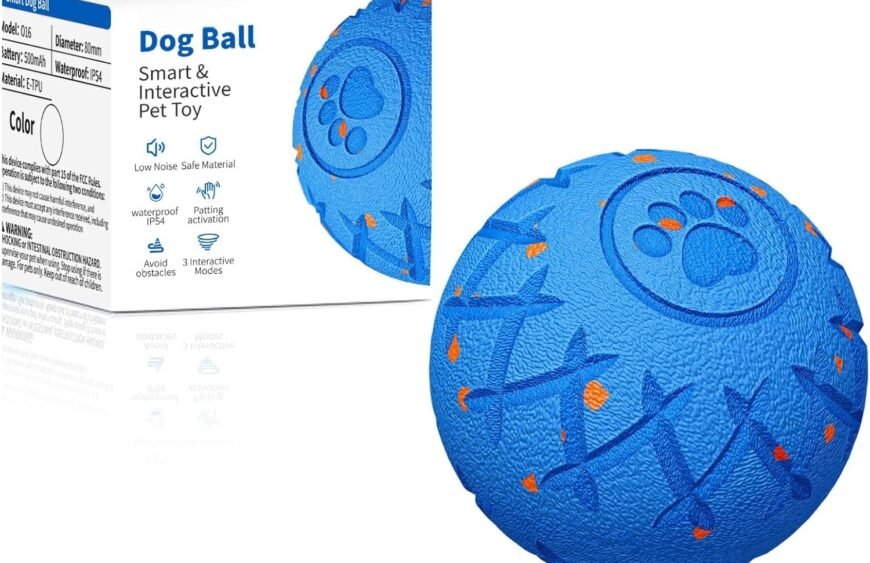
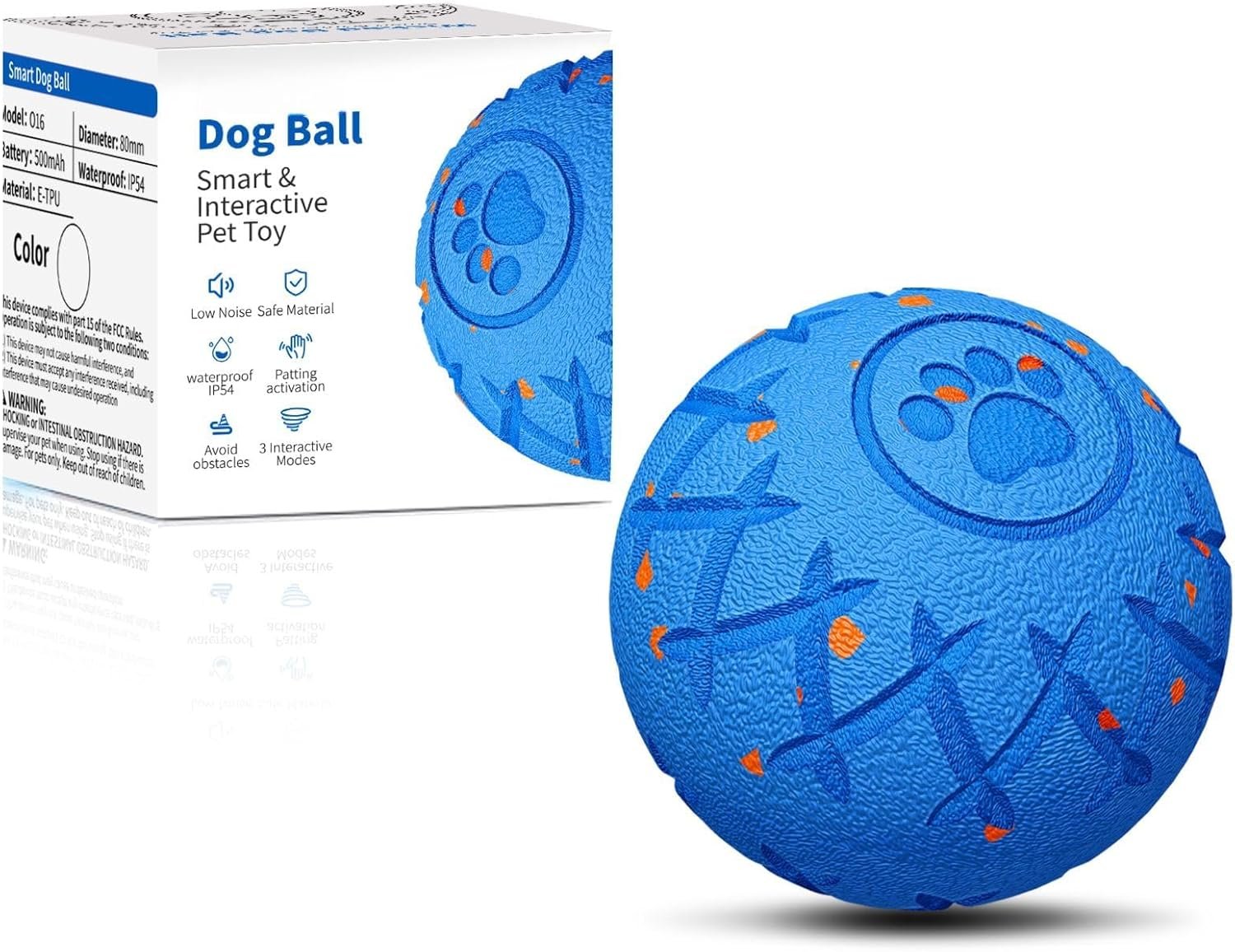
An interactive dog ball is a specially designed toy that engages your dog’s body and mind by responding in ways that encourage play, movement, and problem-solving. Unlike a simple static ball, these interactive versions move, make sounds, dispense treats, or react to your dog’s actions — keeping pets entertained longer and helping reduce boredom, destructive chewing, and excess energy.
This guide explains what interactive dog balls are, how they work, the benefits, how to choose the right one, and how to use them safely with your dog.
What an Interactive Dog Ball Is
An interactive dog ball is a toy that goes beyond a traditional ball by including one or more engaging features such as:
- Automatic motion — rolls, wiggles, or changes direction on its own
- Treat dispensing — releases kibble or treats as your dog plays
- Sound effects or lights — triggers sounds or lights when touched
- Puzzle functions — presents challenges for your dog to solve
- Connective apps or remote control — lets you adjust actions or patterns
These features turn playtime into mental stimulation and physical exercise in one.
How Interactive Dog Balls Work
Depending on the model, interactive dog balls may use:
1. Motion Sensors
Detect when your dog approaches and activate movement.
2. Randomized Rolling
Internal motors make the ball move unpredictably — enticing dogs to chase.
3. Treat Chambers
Compartments inside the ball slowly dispense treats as it moves or tumbles.
4. Sound/Light Feedback
Certain actions trigger squeaks, beeps, or flashing lights.
5. Remote or App Control
You control speed, pattern or mode via remote or smartphone app.
Some balls are durable enough for outdoor use, while others are great for indoor play.
Benefits of Interactive Dog Balls
Physical Exercise
Dogs chase, pounce, and run — great for burning energy and keeping muscles strong.
Regular play can help with weight management and overall fitness.
Mental Stimulation
The interactive features challenge dogs to think and explore — reducing boredom and frustration.
Reduced Destructive Behavior
Engaged dogs are less likely to chew furniture, dig, or bark excessively.
Healthy Playtime Alone or With You
Some interactive balls allow solo play, giving dogs entertainment when you’re busy or away.
Stronger Human-Dog Bond
Remote or app modes let you play together, reinforcing training and connection.
How to Use an Interactive Dog Ball Safely
Choose Size Wisely
Pick a ball appropriate for your dog’s size and breed — too small can be choking risk, too large may discourage play.
Start With Supervision
Especially the first few times, watch how your dog interacts to ensure safe play.
Watch for Wear & Tear
If the ball becomes cracked or chewed through, replace it to prevent ingestion hazards.
Use Treats Sparingly
Treat dispensing toys should be balanced with your dog’s diet — avoid overfeeding.
Indoor vs Outdoor Use
Check whether the model is designed for rough outdoor surfaces or just indoor floors.
Types of Interactive Dog Balls
Simple Motion Toys
These just roll and change direction randomly to encourage chasing.
Good for: Dogs who love to run and chase.
Treat-Dispensing Puzzle Balls
As the ball moves, it slowly releases treats or kibble from openings.
Good for: Slower eaters or dogs who need mental challenges.
Sensor-Activated Balls
These kick into motion when they sense your dog nearby.
Good for: Independent play and timid dogs needing encouragement.
Remote/Smart App Balls
Controlled by an owner via remote or app — change speed, pattern, or mode.
Good for: Interactive play sessions or training engagement.
Features to Look For
Durability
Rubber or tough ABS plastic withstands chewing and rough play.
Battery or Rechargeable
Choose rechargeable Li-ion batteries for convenience and lower long term cost.
Noise Level
Some dogs are sensitive — quieter motors help avoid startling.
Water Resistance
Good for outdoor or messy play.
Speed/Mode Options
Variable play patterns keep the toy interesting longer.
Matching Balls to Dog Temperament
High-Energy Dogs
Look for balls with fast movement, multiple modes and strong motors to keep up.
Puzzle Lovers
Treat-dispensing and puzzle balls are perfect for dogs who enjoy cognitive challenges.
Shy or Older Dogs
Sensors with gentle motion and low noise help build confidence.
Solo Players
Balls that react automatically or dispense rewards help keep dogs engaged alone.
Tips for Best Results
- Rotate Toys Weekly: Keep novelty high by alternating toys.
- Mix Play Styles: Combine fetch, ball chase, and tug sessions.
- Safety First: Replace damaged toys and remove loose parts.
- Training Integration: Use praise and rewards when your dog engages well.
- Routine Play: Daily interactive session — even 10–15 minutes — helps overall behavior.
Summary
An interactive dog ball combines play, physical exercise and mental stimulation in a fun, engaging format. With motors, treat dispensing, sensors or smart control options, these toys keep dogs active and entertained, reduce boredom and destructive behavior, and help build stronger bonds. Choosing the right size, durability level and play mode based on your dog’s size and personality ensures safe, rewarding play that fits both indoor and outdoor needs.
If you tell me your dog’s size, breed and play style, I can recommend the best type of interactive ball for them.