Memory Foam Seat Cushions — Complete Guide to Comfort, Support & Choosing the Right One
Memory foam seat cushions are specialized cushions designed to enhance sitting comfort, relieve pressure, and support proper posture. Unlike regular foam cushions, memory foam molds to the contours of your body, providing personalized support for your hips, tailbone, and lower back. They are widely used in offices, cars, wheelchairs, and home seating.
This guide explains what memory foam seat cushions are, how they work, benefits, types, key features, and tips for selecting the right one.
What a Memory Foam Seat Cushion Is
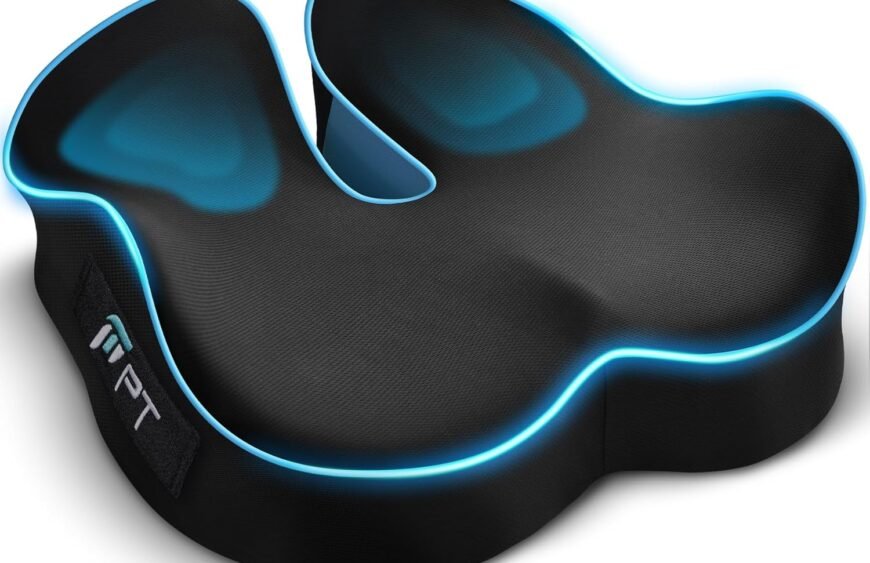
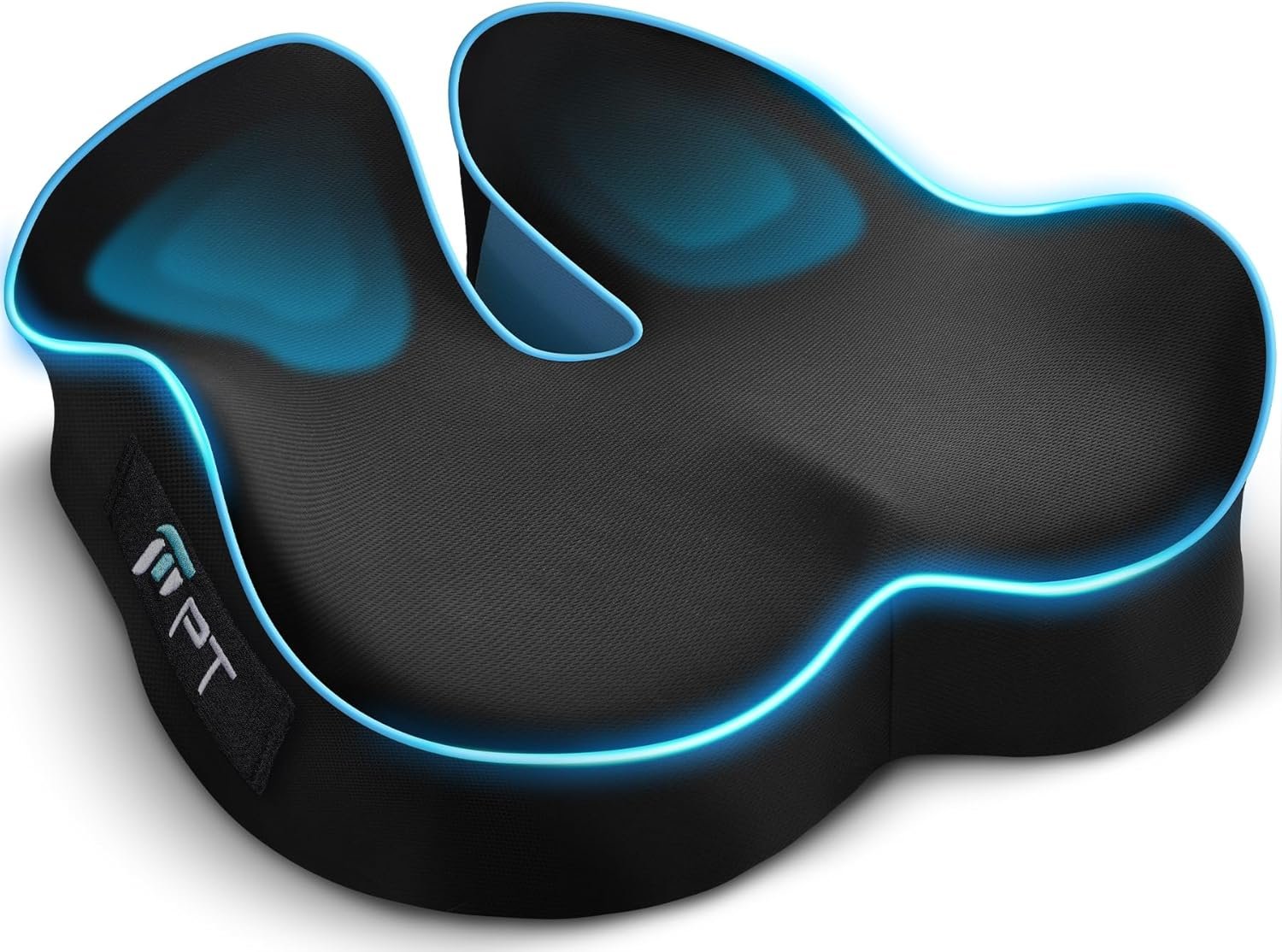
A memory foam seat cushion is a portable pad made from viscoelastic foam that responds to body heat and weight. When you sit, the cushion conforms to the shape of your body, distributing pressure evenly and reducing stress on the coccyx and hips.
Common features include:
- High-density memory foam core for durable support
- Ergonomic or contoured design to relieve tailbone pressure
- Removable, washable cover for hygiene
- Non-slip bottom or strap to secure it to chairs
Memory foam cushions are ideal for long sitting sessions because they combine comfort with targeted support.
How Memory Foam Seat Cushions Work
- Molds to Body Shape – Memory foam softens with heat, creating a custom fit that supports your natural posture.
- Distributes Weight Evenly – Reduces pressure points on the hips, tailbone, and lower back.
- Promotes Posture Alignment – Helps keep the pelvis slightly tilted forward, encouraging a natural spine curve.
- Absorbs Shock – Reduces fatigue and discomfort during long sitting periods.
Benefits of Memory Foam Seat Cushions
- Pressure Relief: Ideal for tailbone pain, sciatica, or hip discomfort.
- Improved Comfort: Makes hard or worn chairs softer and more supportive.
- Posture Support: Encourages proper spinal alignment and reduces slouching.
- Pain Reduction: Relieves lower back, hip, and coccyx pain during prolonged sitting.
- Versatile Use: Suitable for office chairs, cars, wheelchairs, dining chairs, or floor seating.
Types of Memory Foam Seat Cushions
1. Standard Rectangular Cushions
- Simple flat or slightly contoured design
- Provides general comfort for everyday chairs
2. U‑Shaped or Coccyx Cut-Out Cushions
- Tailbone cut-out reduces pressure directly on the coccyx
- Popular for people with tailbone pain or recovering from injuries
3. Wedge Cushions
- Angled front-to-back for forward pelvic tilt
- Promotes better posture
4. Gel-Infused Memory Foam Cushions
- Combines memory foam with cooling gel layers
- Reduces heat build-up during extended sitting
- Provides extra pressure relief
5. Inflatable Memory Foam Cushions
- Adjustable firmness via air
- Portable and convenient for travel
Key Features to Look For
1. Density & Firmness
- High-density memory foam offers durable support
- Medium-firm is ideal for comfort and pressure relief balance
2. Ergonomic Design
- Contours for tailbone and hip support
- Wedge or U-shaped designs improve posture
3. Cover Material
- Removable, washable cover for hygiene
- Breathable fabric (mesh or cotton blends) for ventilation
- Anti-slip backing or straps for stability
4. Portability
- Light-weight and portable for office, car, travel, or wheelchair use
5. Size & Thickness
- Standard: 1.5–3 inches for chairs
- Thick: 3–4+ inches for longer sitting sessions or pressure relief
How to Use a Memory Foam Seat Cushion
- Place Correctly: Center the cushion on the chair or seat, with the thicker or contoured side facing the back.
- Ensure Foot Placement: Your feet should rest comfortably on the floor to maintain posture.
- Pair With Back Support: For maximum relief, combine with a lumbar cushion.
- Sit Consistently: Use daily for best results in reducing discomfort.
- Care & Maintenance: Remove the cover for washing and air out foam if it absorbs moisture.
Who Benefits Most from Memory Foam Seat Cushions
- Office workers: Long hours sitting at desks
- Drivers and commuters: Reduces fatigue on long trips
- Wheelchair users: Pressure relief and support
- People with tailbone, hip, or lower back pain
- Gamers or students: Comfort during prolonged sessions
Tips for Choosing the Right Memory Foam Cushion
- Consider Your Sitting Surface: Office chair, car seat, or wheelchair
- Determine Cushion Thickness: More thickness for longer sitting, moderate for short durations
- Choose Contoured Designs: U-shaped for tailbone support, wedge for posture
- Check Cover Material: Washable and breathable for long-term hygiene
- Portability Needs: Handles or lightweight design if moving between locations
Summary
A memory foam seat cushion is an effective way to improve comfort, relieve pressure, and support posture while sitting. Whether for office work, driving, gaming, or wheelchair use, it molds to your body, distributes weight evenly, and helps prevent pain from prolonged sitting.
Key considerations include density, ergonomic design, contouring, thickness, and cover material. With proper selection and daily use, memory foam seat cushions can significantly reduce discomfort and improve sitting posture.
If you want, I can create a detailed comparison table of the best memory foam seat cushions for office, car, and wheelchair use so you can easily choose the perfect one. Do you want me to do that?