SLEEPHEAD Wooden Cutting Board — Complete Guide to Choosing, Using & Caring for It
A wooden cutting board is one of the most useful and attractive tools in your kitchen. If you’re considering the Sleephead‑branded or similar quality board, this guide will help you understand what makes a great wooden cutting board, how to choose the right one, and how to maintain it so it lasts for years.
Solid Hardwood Edge Grain Cutting Board – Classic and versatile for all daily food prep.
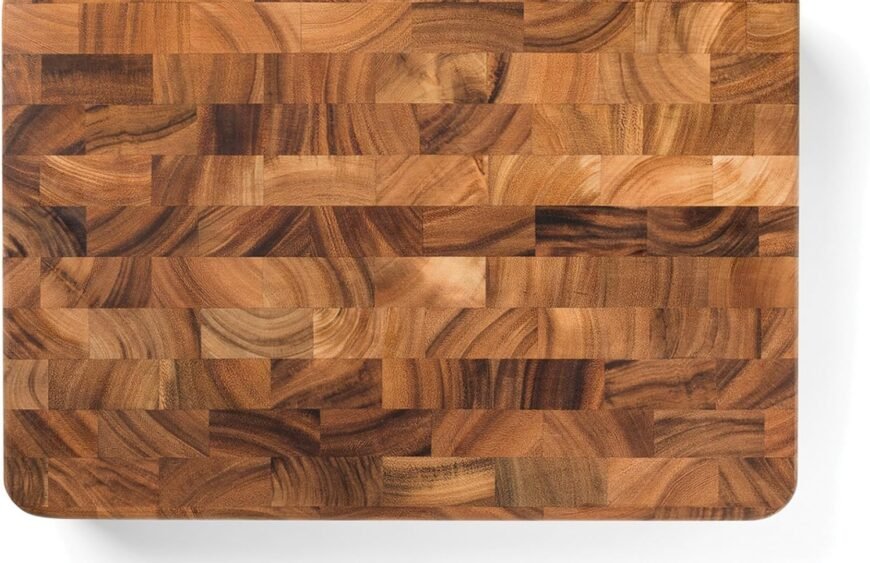
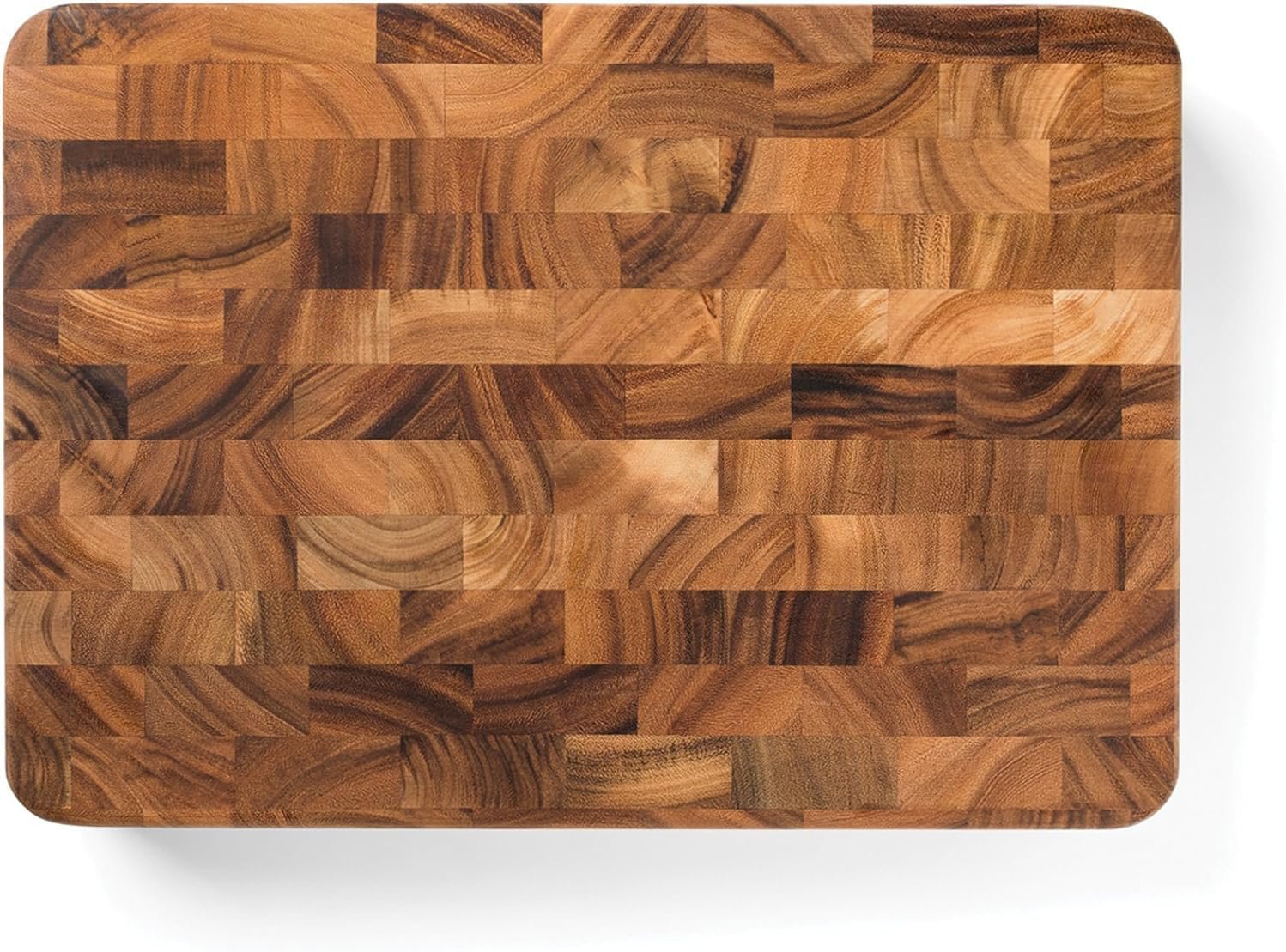
Extra‑Thick End Grain Chopping Block – Premium surface that’s gentle on knives and highly durable.
Reversible Wood Cutting Board with Juice Groove – One side for cutting, the other for serving; groove catches juices.
Large Butcher Block Style Wooden Board – Roomy board for big roasts, bread and large prep tasks.
Why Choose a Wooden Cutting Board
Natural and Safe
Wood is a non‑toxic, food‑safe surface that won’t dull your knives as quickly as harder materials like glass or ceramic.
Gentle on Knives
A good wood board “gives” slightly under the blade, helping maintain your knife edges longer.
Self‑Healing Qualities
Hardwood fibers naturally absorb and recover from small cuts over time, keeping the board looking better for longer.
Attractive and Functional
Wood boards look good on display and double as serving platters for cheeses, breads or charcuterie.
Types of Wooden Cutting Boards
Edge Grain Boards
Made from long strips of wood joined side by side.
Pros: Stable, lightweight, good everyday board.
Use: Vegetable and fruit prep, light proteins.
End Grain Boards
Blocks of wood oriented so the grain is vertical.
Pros: Extremely durable and kinder to knives.
Use: Heavy chopping and repeated use.
Reversible Boards
Two usable sides — a plain side and a grooved side to catch juices.
Pros: Most versatile for prep and serving.
Popular Woods for Cutting Boards
- Maple – Tight grain and durable; classic choice.
- Walnut – Rich color, slightly softer feel.
- Cherry – Warm tone that deepens with age.
- Teak – High natural oil content for moisture resistance.
Hardwoods with a closed grain resist moisture and bacteria better than open‑grain woods.
Choosing the Right Size & Thickness
- Small (12–15 in) – Best for everyday slicing, small kitchens.
- Medium (16–20 in) – Most versatile for general food prep.
- Large (20+ in) – Ideal for big meals, meat or bread cutting boards.
- Thickness – 1–1½ inches for balance of stability and weight; thicker boards offer more durability.
Key Features to Look For
Reversible Design
Makes the board more versatile and extends its life.
Juice Groove
Handy if you cut meats or juicy fruits — catches liquid and keeps counters cleaner.
Handles
Cutouts make it easier to carry or serve food.
End Grain vs. Edge Grain
End grain is more expensive but lasts longer and is gentler on knives.
How to Care for Your Wooden Board
Cleaning
- Wash by hand with warm, soapy water soon after use.
- Rinse thoroughly and dry upright or on a rack.
Avoid
- Soaking in water or using a dishwasher — this can warp or split wood.
- Harsh detergents and abrasive scouring pads.
Conditioning
- Apply a food‑grade mineral oil or board cream every few weeks to keep the surface hydrated and protected.
- Rub oil in thoroughly and let it absorb before wiping off the excess.
Sanitizing
If needed after cutting raw meat:
- Sprinkle with coarse salt.
- Rub with a lemon half or cloth.
- Rinse and dry.
Practical Uses
- Everyday chopping: vegetables, herbs, fruits.
- Proteins and meat prep: (with good cleaning afterward).
- Serving: cheese boards, appetizer platters and breads.
- Decor: beautiful boards can stay on display when not in use.
Edge Grain vs. End Grain — Quick Comparison
| Feature | Edge Grain | End Grain |
|---|---|---|
| Durability | High | Very High |
| Knife Friendliness | Good | Excellent |
| Appearance | Linear grain pattern | Checkerboard or block pattern |
| Price | More budget‑friendly | Premium range |
| Weight | Lighter | Heavier |
Tips for Best Results
- Keep at least two boards in rotation: one for veggies and another for meats to prevent cross‑contamination.
- Always dry completely after washing.
- Re‑oil regularly, especially if the board looks dry or dull.
- Use a damp cloth for everyday wiping rather than soaking.
Summary
A Sleephead wooden cutting board or equivalent hardwood board is a durable, knife‑friendly, and beautiful addition to your kitchen. Whether you choose a reversible board with a juice groove for everyday use, a heavy end grain block for frequent chopping, or a large butcher block style for big meals, quality wood boards offer function and aesthetics. With proper care and regular oiling, they can last for years and become a favorite piece of serveware and prep space in your home.
If you tell me how you plan to use the board (everyday cooking, large roasts, serving cheese, etc.), I can recommend the best size, wood type, and style for your needs.