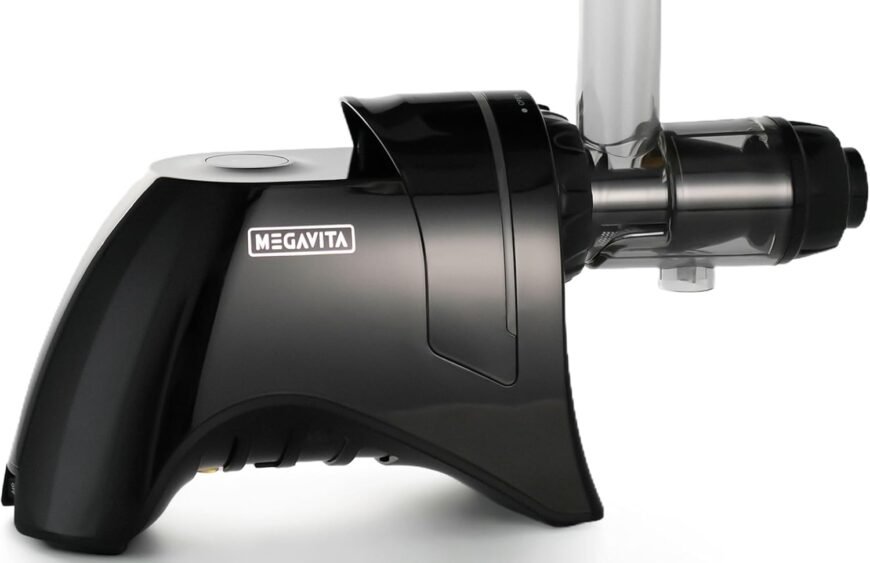
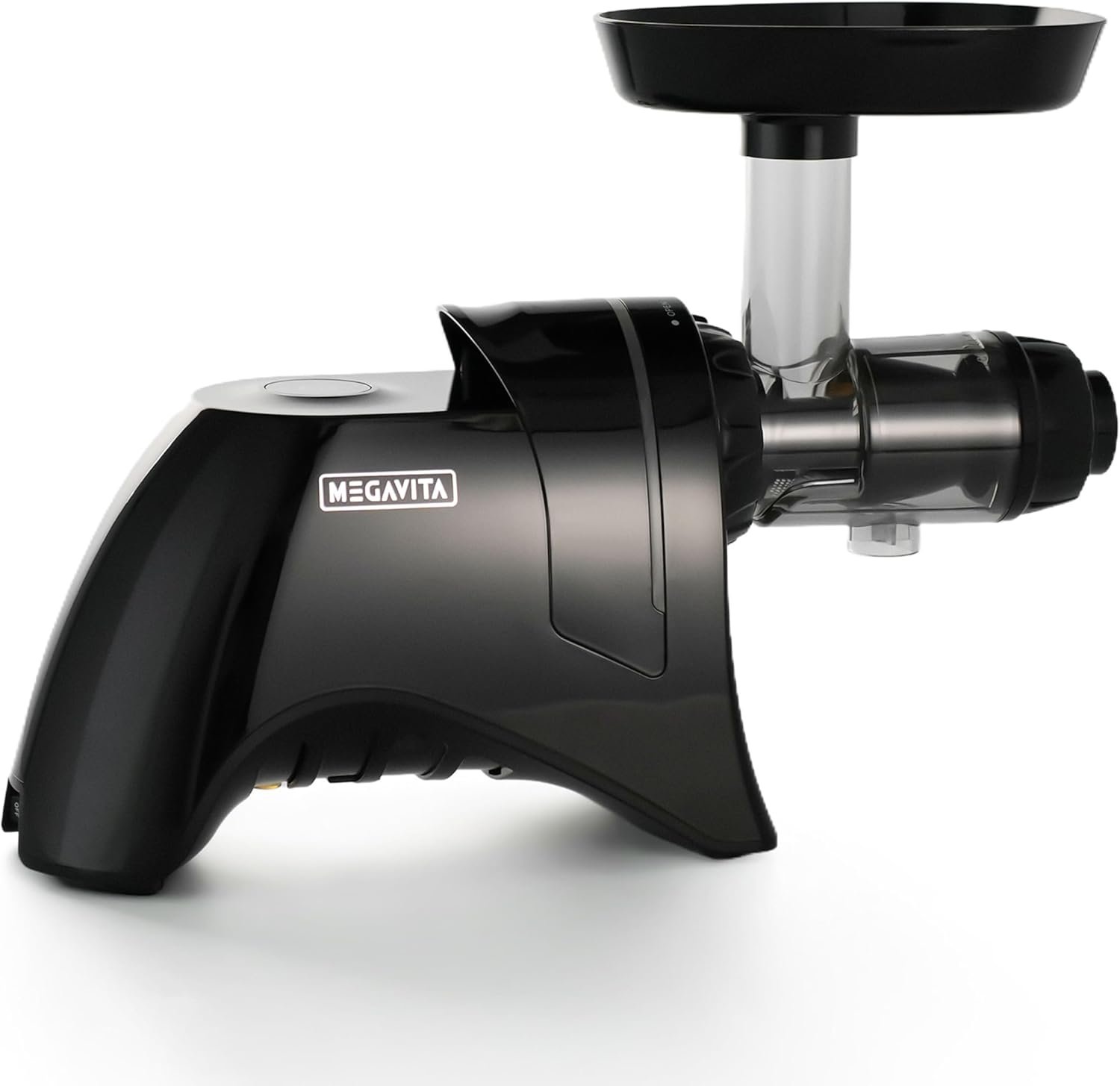
Slow Masticating Juicer — Complete Guide to Home Cold‑Press Juicing
A slow masticating juicer (also often called a cold‑press juicer) is a type of juicer that extracts juice from fruits, vegetables, greens and even nuts by slowly crushing and pressing the produce instead of using fast spinning blades like traditional juicers. This gentle process preserves more nutrients, enzymes and flavour in your juice and produces cleaner, smoother, longer‑lasting juice overall.
How Slow Masticating Juicers Work
Slow masticating juicers typically:
- Use a slow‑rotating auger (screw) to crush and press produce.
- Operate at low speeds (usually roughly 40–120 RPM) — much slower than high‑speed centrifugal juicers.
- Generate minimal heat and oxidation, helping preserve nutrients.
- Produce drier pulp, showing more juice has been extracted.
Because of this method, slow juicers are often called cold‑press juicers or masticating juicers — “masticating” referring to the chewing‑like crushing of produce that yields a richer juice.
Benefits of a Slow Masticating Juicer
1. Higher Nutrient Retention
Cold pressing preserves vitamins, minerals and enzymes that can be lost in high‑speed juicers due to heat and air exposure.
2. Better Juice Yield
Slow juicers often extract more juice from the same amount of produce, leaving pulp very dry.
3. Longer Shelf Life
Juice from slow juicers oxidizes more slowly and can stay fresh in the refrigerator for up to around 72 hours without losing flavour or nutrients.
4. Quieter Operation
Since they run at low speeds, slow masticating juicers are quieter than fast centrifugal models — ideal for early mornings or shared homes.
5. Versatile Use
Many slow juicers handle leafy greens, wheatgrass and tough roots much better than high‑speed models. Some can also make nut milks, sorbets or baby food with extra attachments.
Considerations Before Buying
Slower Process:
- Juicing takes longer than with fast juicers because produce is gradually crushed and pressed.
Prep Time:
- Produce must often be chopped into smaller pieces before juicing.
Cleaning Effort:
- Masticating machines may have more parts to clean, so ease of disassembly/cleaning is an important feature to check.
Cost:
- Slow juicers often cost more than basic centrifugal models due to more advanced design and durability.
Types of Slow Masticating Juicers
Vertical Juicers
- More space‑efficient
- Easier to load produce
- Good for juice without splashing
Horizontal Juicers
- Slightly better at handling tough or fibrous produce
- Often produce drier pulp
Twin‑Gear (Triturating) Juicers
- Highest juice yield and nutrient extraction
- Excellent for leafy greens and herbs
- Usually larger and pricier
Choosing between these depends on how often you juice, what ingredients you use most, and how much countertop space you have.
Summary
A slow masticating juicer is ideal if you want nutrient‑rich, high‑yield juice from your fruits and vegetables, especially greens and fibrous produce. Compared with fast centrifugal juicers, slow juicers:
- Press more juice with less waste
- Preserve more vitamins and enzymes
- Produce smoother, longer‑lasting juice
- Run more quietly and often handle a wider variety of ingredients
They take a bit longer to use and clean, but for dedicated juicers focused on quality and nutrition, they’re often worth the investment.
If you want specific model suggestions (including budget, mid‑range, and premium options), just tell me your budget range and I can share tailored recommendations.