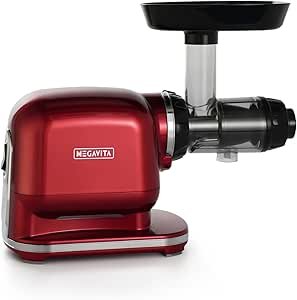
Cold Press Juicer — Complete Guide to Slow, Nutrient‑Rich Juicing
A cold press juicer (also called a slow juicer or masticating juicer) is a kitchen appliance that gently extracts juice from fruits and vegetables by slowly crushing and pressing them rather than using fast spinning blades. This method helps keep more nutrients, enzymes, flavour and colour in your juice compared with traditional high‑speed (centrifugal) juicers.
How a Cold Press Juicer Works
Unlike fast juicers that spin at very high speeds, cold press juicers use a slow rotating auger to squeeze juice out of produce. Because the process is slow:
- Less heat and friction is generated
- Fewer nutrients are lost
- Oxidation is reduced
- Juice tastes fresher, smoother, and clearer
Cold press juicers typically run at low speeds (around 40–80 revolutions per minute (RPM)), which preserves delicate vitamins and enzymes.
Benefits of a Cold Press Juicer
Higher Nutrient Retention
Cold pressing preserves vitamin C, antioxidants and plant enzymes better because it avoids heat damage and excessive air exposure.
More Juice Yield
These juicers often extract more juice and leave dryer pulp, which means you get more juice from the same amount of produce.
Better Taste & Colour
The slow extraction leads to richer flavour and brighter colour, with less foam and separation.
Longer Freshness
Cold‑pressed juice stays fresh longer in the fridge (often up to 48–72 hours when stored properly) thanks to reduced oxidation.
Quiet Operation
Lower speeds also mean quieter juicing, making it pleasant to use early in the morning or in shared spaces.
What You Can Juice
Cold press juicers are versatile and can handle a wide range of ingredients:
- Leafy greens & herbs (spinach, kale, wheatgrass)
- Hard vegetables (carrots, beetroot, celery)
- Fruits (apples, oranges, pears)
- Soft produce and citrus with peels (letting you get more out of your ingredients)
- Some models can also make nut milks, sorbets, baby food and smoothies with the right attachments.
Cold Press vs Traditional Juicers
| Feature | Cold Press Juicer | Centrifugal (Fast) Juicer |
|---|---|---|
| Speed | Slow (40–80 RPM) | Fast (thousands of RPM) |
| Nutrient Retention | High | Lower (heat & oxidation) |
| Juice Yield | Higher | Lower |
| Noise Level | Quieter | Noisier |
| Juice Shelf Life | Longer | Shorter |
| Price | Usually higher | Typically lower |
Things to Consider When Buying
1. Motor Power & Speed
Look for a juicer with good torque and a slow rotation speed (40–80 RPM) for maximum nutrient retention.
2. Feed Chute Size
Larger chutes mean you can insert bigger pieces or whole fruits with less prep.
3. Ease of Cleaning
Juicers that come with dishwasher‑safe parts or cleaning brushes make daily use simpler.
4. Juice Quality & Yield
Check reviews for how dry the pulp is — dryer pulp means more juice was extracted.
5. Versatility
Some models offer extra strainers and attachments for nuts, frozen fruits, or even desserts.
Popular Cold Press Juicer Picks (Examples)
- Cold Press Slow Masticating Juicer Machine – Classic slow juicer for everyday fruit and vegetable juice.
- High‑Yield Cold Press Juicer – Designed for efficient extraction and dry pulp.
- Quiet Slow Juicer with Wide Chute – Easy to load and ideal for leafy greens and roots.
- Premium Vertical Cold Press Juicer – More advanced design with versatile juicing and attachments.
(Specific model names here represent typical options available; actual product specifications vary by brand and seller.)
Tips for Best Use
- Prep produce appropriately: Wash and cut to fit the feed chute.
- Alternate soft and hard items: This can help optimize juice extraction.
- Clean promptly after juicing: Makes maintenance much easier.
- Store juice in air‑tight containers: Keeps flavour and nutrients longer in the fridge.
Summary
A cold press juicer is a slower, gentler way to make fresh juice at home that:
- Preserves more nutrients and enzymes.
- Extracts higher juice yield.
- Produces better‑tasting, smoother, longer‑lasting juice.
- Works well with a wide range of fruits, vegetables and leafy greens.
It’s ideal for people focused on nutrient intake, clean eating, detox juices, or smoothies — though it usually costs more and takes a bit longer to use and clean than fast juicers.
If you want, tell me your budget range and how often you’ll juice (daily or occasional), and I can recommend specific models that match your needs.