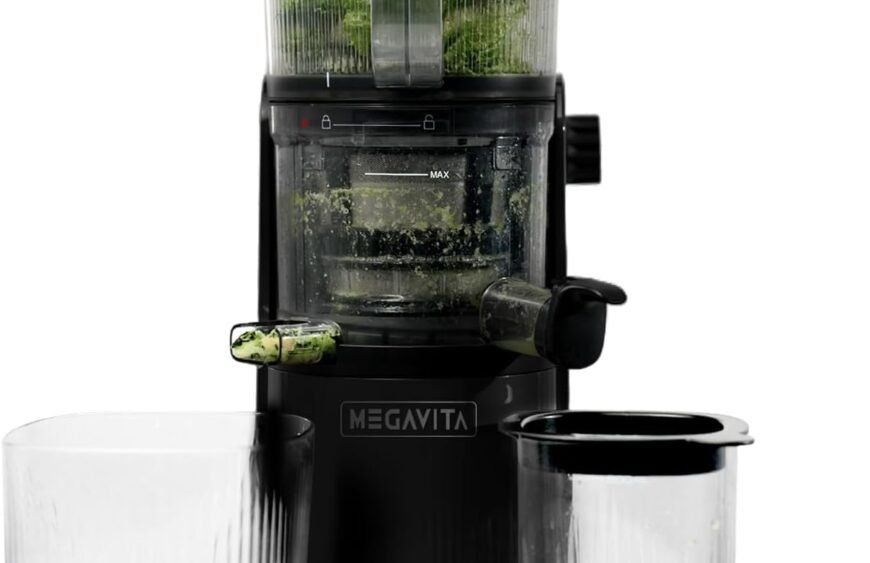
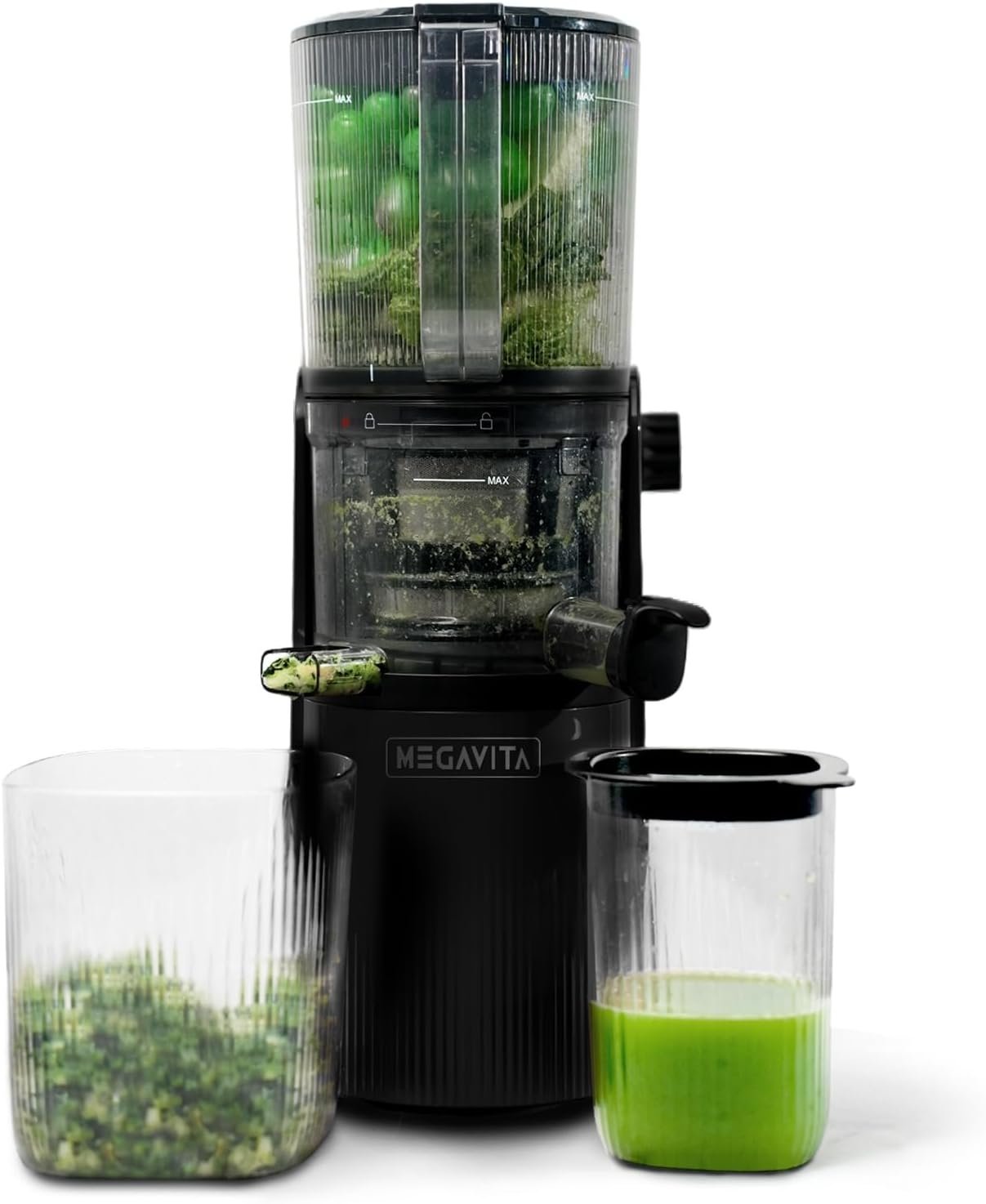
Here’s a clear overview of vertical slow masticating (cold‑press) juicers — what they are, why they’re useful, and examples you might consider 👇
What a Vertical Slow Masticating Juicer Is
A vertical slow masticating juicer (also called a cold press juicer) is a type of juicer that gently crushes and presses fruits and vegetables to extract juice.
• It operates at a slow speed (typically <100 RPM) to reduce heat and oxidation, helping retain more nutrients, enzymes and flavour than high‑speed centrifugal juicers.
• The vertical design means the juicer stands upright, takes up less counter space, and often has a tall feed chute that can accommodate larger pieces of produce.
• Slow masticating juicers are quieter, produce more juice with drier pulp, and are suitable for leafy greens, fibrous vegetables and soft fruits.
Vertical models are usually easier to assemble and clean than some horizontal units, and they often have a more compact footprint on your kitchen counter.
Benefits of Vertical Cold Press Juicers
Higher Nutrient Retention
Slow extraction preserves more vitamins and enzymes than fast spinning juicers.
Efficient Juice Yield
These machines often squeeze more juice from the same produce, leaving you with drier pulp.
Quiet Operation
Low RPM motors are typically much quieter than fast juicers.
Compact & Space‑Saving
Vertical orientation takes up less counter space and can be easier to fit in kitchens with limited room.
Ease of Cleaning & Use
Many vertical models have fewer parts and simpler assembly, which makes cleaning easier for daily juicing.
Well‑Known Vertical Slow Juicer Examples
Premium Vertical Cold Press Juicer – High‑performance model that maximizes juice yield and nutrient retention with slow compression.
Wide Chute Vertical Slow Juicer – Large feed opening lets you juice bigger produce pieces (less prep).
Quiet Vertical Masticating Juicer – Designed for daily juice with superior noise control and smooth operation.
Compact Vertical Cold Press Juicer – Space‑saving option ideal for small kitchens or occasional juicing.
Note: These model titles represent typical vertical cold press juicer types — actual features and specs vary by brand and retailer.
Key Things to Look For
Slow RPM (<100 RPM)
A true cold‑press juicer should run slowly to preserve nutrients and minimize oxidation.
Feed Chute Size
Wider chutes reduce prep time because you don’t need to chop produce as finely.
Build Quality and Materials
Look for BPA‑free plastics and sturdy augers; stainless steel or high‑grade plastics improve longevity.
Ease of Cleaning
Vertical juicers with fewer parts, dishwasher‑safe or simple assembly components are easier to maintain.
What You Can Juice Easily
- Leafy greens: spinach, kale, wheatgrass
- Vegetables: carrots, beetroot, cucumbers
- Fruits: apples, citrus, pears
- Mixed blends: combos of veg and fruit for daily nutrition
Juice from cold‑press machines is typically smoother, richer in flavour, and retains more essential nutrients than fast centrifuge juice.
Summary
A vertical slow masticating (cold‑press) juicer is ideal if you want high‑quality, nutrient‑rich juice from fruits and vegetables with minimal foam and oxidation. These units are compact, quiet, and easy to use, and they often produce more juice than traditional juicers. Key features to check include slow RPM, feed chute size, materials, and ease of cleaning.
If you tell me what kinds of produce you plan to juice most (greens, hard veggies, or fruits) and your budget range, I can suggest specific model options and exact features that fit your needs.