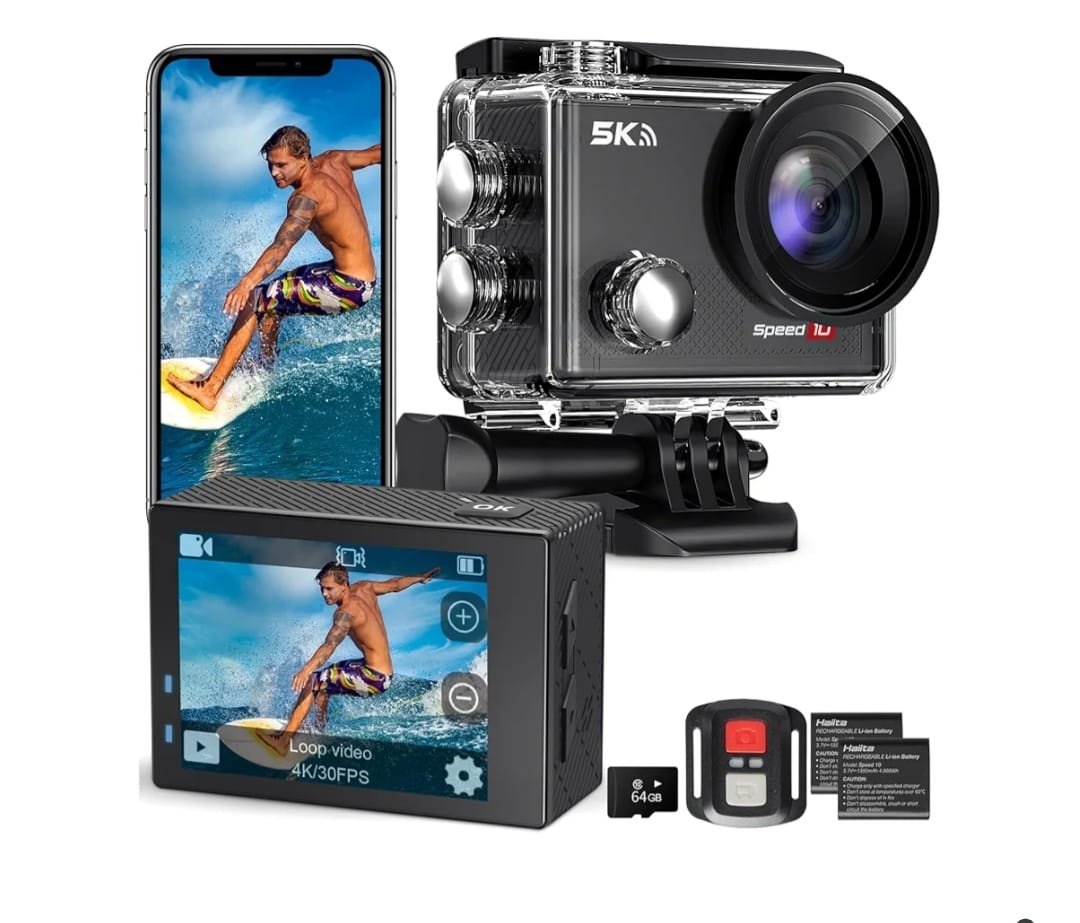
Action Camera – Complete Product Overview
An action camera is a compact, durable digital camera designed to capture high-quality video and photos during movement-intensive activities. These cameras are widely used for outdoor sports, travel, underwater recording, vlogging, and hands-free point-of-view filming. Their small size, wide-angle lenses, and rugged construction make them suitable for environments where regular cameras or smartphones are not practical.
What Is an Action Camera
An action camera is built to record stable, wide-angle footage while the user is moving. It can be mounted on helmets, bicycles, vehicles, or worn on the body using different mounts. Most modern action cameras are water-resistant or waterproof, shock-proof, and dust-resistant, allowing them to perform well in harsh conditions.
Key Features of Action Cameras
High-Resolution Video Recording
Most action cameras support Full HD and 4K video recording, with some advanced models offering 5K or higher resolutions. Higher resolution allows for sharper footage and better cropping during editing.
Wide-Angle Lens
Action cameras use ultra-wide lenses to capture more of the scene. This is ideal for adventure sports and travel videos, as it provides an immersive viewing experience.
Image Stabilization
Built-in electronic or hybrid image stabilization helps reduce shake and vibration, producing smoother video even during fast or rough movements.
Durable and Waterproof Design
Many action cameras are waterproof without an external case and can be used for swimming, snorkeling, or rain recording. With an additional housing, they can often be used for deeper underwater filming.
Compact and Lightweight Body
The small size makes action cameras easy to carry and mount, while their lightweight build ensures comfort during long recording sessions.
Mounting and Accessories
Action cameras support a wide range of mounts, including helmet mounts, chest straps, handlebar mounts, tripods, and selfie sticks. This flexibility allows creative shooting angles.
Connectivity
Wi-Fi and Bluetooth connectivity enable easy file transfer to smartphones or tablets. Companion apps allow remote control, live preview, and quick editing.
Battery and Storage
Most action cameras use rechargeable batteries and support microSD cards for storage, making it easy to swap cards and batteries during extended use.
Common Uses of Action Cameras
- Outdoor and adventure sports such as cycling, hiking, skiing, surfing, and motorbiking
- Underwater recording for swimming, snorkeling, and diving
- Travel videos and daily vlogging
- First-person point-of-view recording
- Time-lapse and slow-motion videos
Action Camera vs Smartphone
| Feature | Action Camera | Smartphone |
|---|---|---|
| Durability | High | Low to moderate |
| Waterproofing | Yes | Limited |
| Mounting Options | Extensive | Very limited |
| Stabilization | Designed for motion | General use |
| Battery Swapping | Yes | No |
Action cameras are specifically designed for movement and outdoor use, while smartphones are better suited for casual, handheld recording.
What to Consider Before Buying
- Video resolution and frame rate support
- Image stabilization quality
- Waterproof depth rating
- Battery life and availability of spare batteries
- Compatibility with mounts and accessories
- Ease of use and app support
Conclusion
An action camera is an excellent choice for capturing dynamic, high-energy moments where durability, stability, and wide-angle coverage are essential. Its rugged design, compact size, and versatile mounting options make it suitable for sports, travel, and everyday adventure recording. Whether used for professional content creation or personal memories, an action camera delivers reliable performance in environments where standard cameras may fail.
Disclaimer:
This content is for informational purposes only. Product features, specifications, and performance may vary by brand and model. Always review the official product details and manufacturer information before making a purchase decision.