Air Purifiers
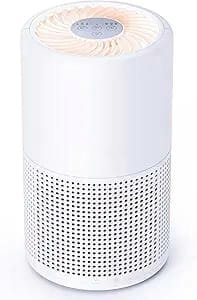
In 2026, an Air Purifier for the Bedroom has become a vital health appliance, specifically designed to create a “sleep sanctuary” by removing allergens, smoke, and microscopic pollutants. Unlike larger living room models, bedroom purifiers prioritize ultra-quiet operation and light management to ensure your sleep cycle remains undisturbed while the air is being cleaned.1
The Gold Standard: H13 True HEPA Filtration
The most effective bedroom purifiers utilize a three-stage filtration system:
- Pre-Filter: Captures large particles like lint, hair, and pet fur.2
- H13 True HEPA Filter: This is the core component, capable of trapping 99.97% of airborne particles as small as 0.3 microns, including pollen, dust mites, and mold spores.3
- Activated Carbon Filter: Essential for a bedroom, this layer neutralizes odors from cooking, pets, or smoke, and absorbs Volatile Organic Compounds (VOCs).4
Essential Features for a Bedroom Environment
- Sleep Mode & Silent Tech: Look for models that operate below 22–25dB in sleep mode. This is quieter than a whisper and ensures the fan noise won’t wake light sleepers.
- Display Off Function: To maintain a dark environment for melatonin production, the best bedroom purifiers allow you to turn off all indicator lights and LEDs while the unit is still running.
- Aromatherapy Pad: Some specialized bedroom models include a small tray for essential oils, allowing you to diffuse lavender or eucalyptus scents to promote relaxation.5
- CADR (Clean Air Delivery Rate): For a standard bedroom (approx. 200–300 sq. ft.), a CADR of 100–150 m³/h is ideal. This ensures the air is completely exchanged 4 to 5 times per hour.
Health Benefits of Nighttime Purification
- Allergy & Asthma Relief: By removing triggers from the air during the 8 hours you spend sleeping, purifiers significantly reduce morning congestion, sneezing, and itchy eyes.6
- Improved Sleep Quality: Cleaner air prevents the minor respiratory irritations that cause “micro-awakenings,” leading to deeper, more restorative REM sleep.
- White Noise Benefit: While they are designed to be quiet, the gentle, consistent hum of a low-speed fan can act as soothing white noise, masking sudden outside sounds like traffic or barking dogs.
Placement and Maintenance
- Placement: Place the purifier at least 12 inches away from walls or furniture to allow 360-degree air intake.7 Ideally, it should be positioned near the head of the bed but not blowing directly on your face.
- Filter Replacement: Most H13 filters last between 6 to 8 months. Modern units feature a “Filter Reset” light to notify you exactly when the efficiency has dropped.
Conclusion
An Air Purifier for the Bedroom is a subtle but powerful investment in your long-term respiratory health. By focusing on quiet, high-efficiency filtration, these devices ensure that the air you breathe during your most vulnerable hours is pure and irritant-free.8