Air Scrubber
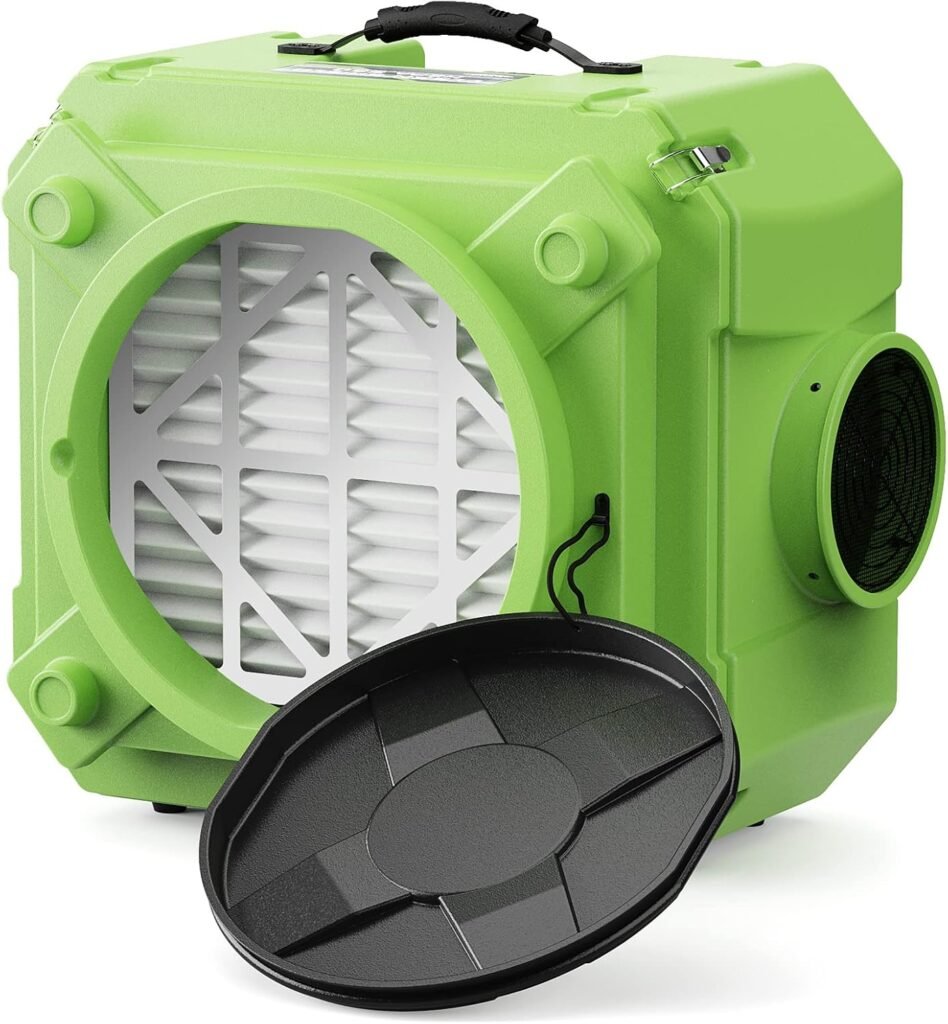
Air Scrubber — What It Is, How It Works, and Everyday Benefits
An air scrubber is an advanced air purification device designed to remove pollutants, contaminants, and harmful particles from indoor air. Unlike basic air purifiers, air scrubbers often combine multiple filtration technologies and oxidation processes to capture and neutralize a wide range of airborne substances — from dust and pollen to volatile organic compounds (VOCs), mold spores, odors, and smoke. They are used in homes, offices, healthcare settings, and industrial environments to improve air quality and promote healthier breathing.
This comprehensive guide explains what an air scrubber is, how it works, key features to consider, benefits, common uses, and everyday tips for best performance.
What Is an Air Scrubber?
An air scrubber is a device that actively cleans indoor air by trapping, filtering, and, in some models, neutralizing harmful particles and gases. These systems are more robust than stand-alone air purifiers because they use advanced filtration and, in many cases, oxidation technologies (such as UV light or photocatalytic oxidation) to tackle a broader range of pollutants.
Air scrubbers are used for:
- Removing airborne particles (dust, dander, pollen)
- Reducing odors (cooking smells, smoke)
- Neutralizing chemical vapors (VOCs from paints, cleaners)
- Improving general indoor air quality
- Maintaining cleaner environments in high-traffic or sensitive spaces
How an Air Scrubber Works
Air scrubbers typically use a multi-stage process to clean air:
- Pre-Filtration
A coarse filter captures larger particles like dust and hair. - High-Efficiency Filtration
A HEPA or similar filter traps fine particles down to microns in size (e.g., pollen, mold). - Advanced Oxidation / Purification
Many air scrubbers incorporate technologies like:- Activated carbon filters to adsorb odors and VOCs
- UV light or photocatalytic oxidation to neutralize microbes and chemical vapors
- Ionization or plasma oxidation to break down contaminants at the molecular level (varies by model)
- Clean Air Output
Purified air is circulated back into the room through vents, improving airflow and air quality.
By combining mechanical filtration and chemical neutralization, air scrubbers remove both particles and gases that ordinary filters might miss.
Key Benefits of an Air Scrubber
| Benefit | What It Helps |
|---|---|
| Better Indoor Air Quality | Reduces allergens, pollutants, and irritants |
| Odor Reduction | Removes smells from cooking, pets, smoke, and chemicals |
| Allergy & Asthma Support | Helps reduce triggers for sensitive individuals |
| Microbe & VOC Neutralization | Some models reduce airborne microbes and chemical gases |
| Cleaner HVAC System | When integrated with HVAC, reduces dust buildup and improves efficiency |
These benefits contribute to healthier breathing, fewer irritations, and an overall cleaner indoor environment.
Key Features to Consider
When evaluating an air scrubber, consider the following features:
Filtration Efficiency
- HEPA filters: Capture fine particles
- Activated carbon: Adsorbs odors and chemical vapors
Advanced Purification Technologies
- UV-C lights: Help neutralize bacteria, viruses, and mold spores
- Photocatalytic oxidation: Breaks down organic compounds
- Ionization or plasma cleaning: Further reduces contaminants
Airflow & Coverage
- Measured in CFM (cubic feet per minute), higher airflow means faster air cleaning for larger rooms.
Noise Level
- Some units operate quietly for bedroom or office use, while others are louder (often seen in industrial units).
Ease of Maintenance
- Replaceable filters and accessible components make upkeep easier.
Integration Options
- Some air scrubbers can integrate with HVAC systems for whole-home air quality improvements.
Everyday Use Cases
Home Living Spaces
Install in living rooms, bedrooms, kitchens, or basements to improve general air quality, remove cooking odors, and reduce allergens.
Offices & Workspaces
Helps reduce airborne particles where people gather, improving comfort and respiratory comfort.
Healthcare Settings
Used in clinics, waiting rooms, and therapy spaces to support cleaner air and reduce airborne pathogens.
Renovation & Construction Areas
Effective at controlling dust, VOCs from paints and solvents, and construction pollutants.
Indoor Events & Public Spaces
Supports cleaner air in areas with high occupancy or increased air circulation.
Installation & Setup Tips
- Choose the Right Size
Match the unit’s capacity to your room size (look at recommended square footage). - Placement Matters
Place the air scrubber where airflow is unobstructed and near pollutant sources if possible (e.g., kitchen, living room). - Regular Filter Replacement
Follow the manufacturer’s replacement schedule for filters to maintain performance. - Keep Vents Clear
Avoid blocking air intake or output vents with furniture or curtains. - Professional HVAC Integration
If linking with your HVAC system, consult an HVAC technician for proper installation.
Everyday Maintenance Tips
- Check filters monthly and replace as needed
- Clean external vents to prevent dust build-up
- Wipe down housing and control panels periodically
- Follow manufacturer guidelines for UV or ionization components
- Schedule seasonal deep checks if integrated with HVAC
Routine maintenance helps prolong performance and ensures cleaner air.
Air Scrubber vs. Air Purifier
| Feature | Air Scrubber | Air Purifier |
|---|---|---|
| Scope | Broad particle + chemical neutralization | Particle filtration focus |
| Advanced Tech | Often includes UV, oxidation, ionization | Typically HEPA + carbon |
| Use Case | Whole-home or demanding environments | Room level purification |
| Integration | Can be HVAC-integrated | Standalone units |
Air scrubbers offer deeper purification options especially in environments with mixed pollutants, while air purifiers are often ideal for standalone room use.
Final Summary
An air scrubber is an advanced air cleaning solution that goes beyond basic particle filtration by integrating multiple technologies to reduce pollen, dust, odors, VOCs, and, in some models, airborne microbes. Whether you want cleaner home air, better workspace air quality, or support for sensitive individuals, an air scrubber brings professional-grade purification to modern indoor environments. Choosing the right model, maintaining filters, and proper placement ensures optimal performance and long-lasting air quality improvements.
Affiliate Disclaimer
This blog contains affiliate links. If you click through and make a purchase, we may earn a small commission at no additional cost to you. We recommend products that offer effective performance, quality filtration, and overall air quality improvement for everyday spaces.