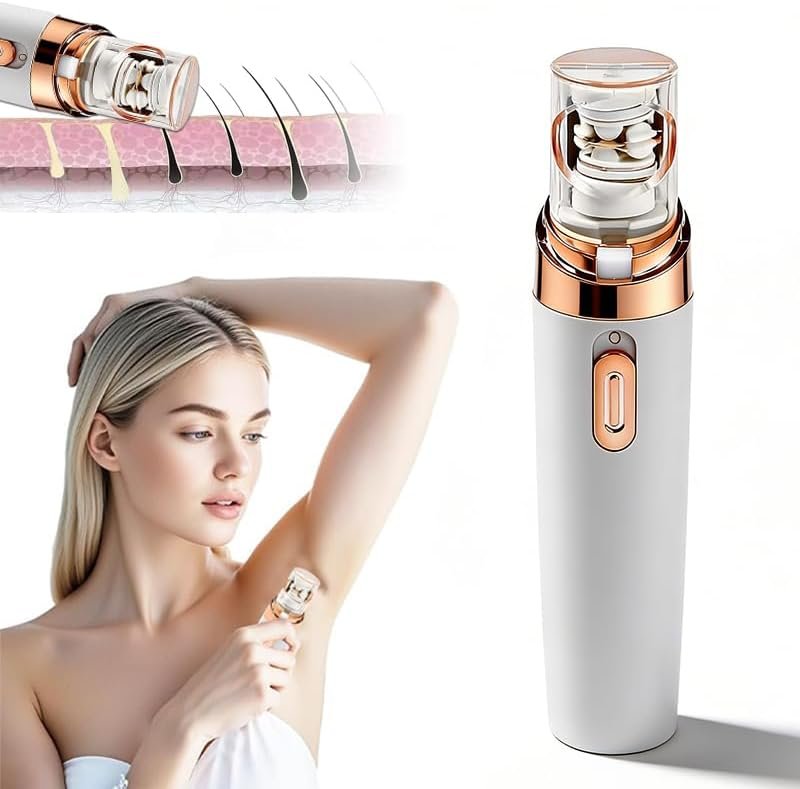
Apilater for Women — Complete Guide to Facial Hair Removal and Skincare
An apilater (often spelled epilator) is a personal grooming device designed to remove unwanted hair by mechanically plucking hairs from the root. For many women, an epilator is a trusted tool for smooth, long‑lasting hair removal on legs, arms, underarms, bikini area and even the face — including upper lip and chin hair — when used correctly and with the appropriate model.
This guide explains what an apilater/epilator is, how it works, benefits, how to use it safely, and what to consider when choosing one for women.
What an Apilater/Epilator Is
An epilator is an electrical hair‑removal device with multiple tiny rotating tweezers or coils that grip and pull out hairs from the root as the device passes over the skin. This is different from shaving, which cuts hair at the surface, or depilatory creams, which chemically dissolve hair only above the skin.
By removing hair from the root, the apilater delivers smooth skin for weeks instead of days.
How an Epilator Works
- Power On: The epilator’s rotating head starts moving.
- Contact with Skin: As you glide the device over your skin, the tiny tweezers catch individual hairs.
- Hair Removal from Root: The tweezers pull hairs out at the follicle, temporarily removing them at the source.
- Regrowth Takes Longer: Because the entire hair shaft is removed, hair takes longer to grow back compared with shaving.
High‑quality epilators use ceramic tweezers or metal discs and are designed to minimize discomfort while maximizing efficiency.
Benefits of Using an Apilater
Long‑Lasting Smoothness
Hair removed at the root takes 2–4 weeks or longer to regrow, meaning fewer grooming sessions.
Reduced Hair Over Time
With consistent use, hair may grow back finer and sparser over months.
Cost‑Effective
Epilators are one‑time purchases that replace frequent shaving or depilatory creams.
No Chemicals
Unlike depilatory creams, epilators don’t use chemical formulations that can irritate sensitive skin.
Versatile Use
Many epilators come with multiple heads and accessories for different areas of the body — legs, arms, underarms, bikini line and face.
Epilators for Women — Where They Are Used
Women commonly use epilators on:
- Legs
- Arms
- Underarms
- Bikini area
- Face (upper lip, chin)
When using an epilator for the face or sensitive zones, it’s important to choose a gentler model designed for that purpose and follow usage guidelines carefully.
Key Features to Look For
1. Multi‑Speed Settings
Different speeds help control hair removal — lower speeds for sensitive areas, higher speeds for larger body parts.
2. Wet & Dry Use
Many modern epilators work in both wet (shower/bath) and dry conditions, making them more comfortable and easier to clean.
3. Washable Heads
Removable and washable heads make cleaning hair residue easier and more hygienic.
4. Attachments & Accessories
- Facial cap or gentle head for delicate areas
- Bikini or sensitive area cap
- Massage rollers to reduce discomfort
- LED light to see fine hairs clearly
5. Battery/Power Type
- Cordless rechargeable models offer mobility.
- Plug‑in models often deliver constant power for longer sessions.
How to Use an Epilator Safely
Before Epilation
- Exfoliate gently a day before to lift hairs and remove dead skin.
- Ensure skin is clean and dry (unless using a wet/dry model in the shower).
During Use
- Hold the skin taut with one hand while using the epilator with the other.
- Move the epilator against the direction of hair growth.
- Use slow, gentle strokes for sensitive areas.
After Epilation
- Apply a soothing lotion or aloe gel to calm the skin.
- Avoid sun exposure on freshly epilated areas for a short period.
Pain and Sensitivity Considerations
Epilating pulls hair from the root, which can cause discomfort, especially for first‑time users. Some tips to reduce pain:
- Start with a lower speed setting.
- Use epilation after a warm shower to relax hair follicles.
- Use epilators with massage rollers or wet/dry cooling.
- Regular epilation often feels less painful over time as hairs become finer.
Sensitive areas like the underarms, bikini line or face should be epilated with dedicated attachments and softer settings.
Comparing Epilation to Other Hair‑Removal Methods
| Method | Duration | Pain Level | Cost | Regrowth Texture |
|---|---|---|---|---|
| Epilator | 2–4+ weeks | Moderate | Low (one‑time) | Finer over time |
| Shaving | 1–3 days | None | Medium (razors) | Coarser look |
| Depilatory Creams | 3–5 days | Low | Medium | Similar to shaving |
| Waxing | 3–6 weeks | High | Higher (salon) | Coarser at first |
Epilators provide a middle ground between frequent shaving and salon waxing, offering long‑lasting smoothness with less ongoing cost.
Best Practices for Women Using an Epilator
- Practice on legs first before sensitive areas.
- Use gentle exfoliation before and after epilation.
- Keep sessions short if you’re new to epilating.
- Choose the right attachment for each area (face, underarm, bikini).
Who Should Be Cautious
Women with:
- Severe skin sensitivity
- Eczema or active dermatitis
- Recent skin injuries or sunburn
- Certain medical treatments affecting skin
should consult a dermatologist before epilating.
Summary
An apilater/epilator for women is a grooming device that removes unwanted hair from the root, providing longer‑lasting smoothness than shaving or creams. With the right model — featuring multiple speeds, wet/dry use, and appropriate attachments — you can epilate legs, arms, underarms, bikini area and even facial hair effectively. While some discomfort is normal, proper technique and regular use often make epilation more comfortable over time.
If you’d like, I can help you choose the best epilator model based on your budget and the areas you want to treat. Just tell me your preferences.